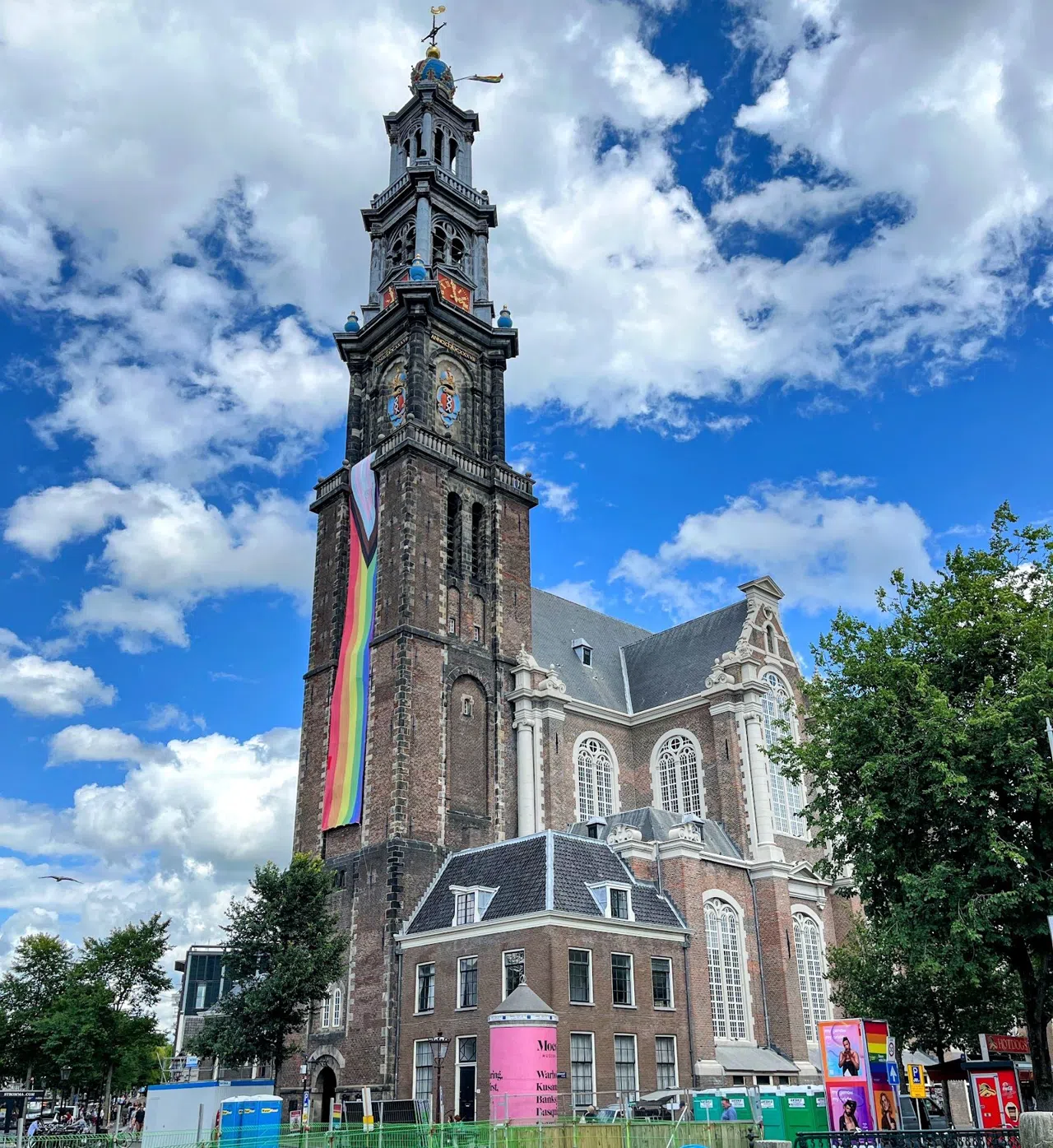

At ten to eleven on a weekday morning in September, the pavement outside the Westerkerk (Prinsengracht, on the eastern edge of the Jordaan) is already crowded, and almost nobody in that crowd is there for the church. They are waiting for the house next door, on tickets bought six weeks earlier. The church's own door opens at eleven, costs nothing, and most of the street walks straight past it.
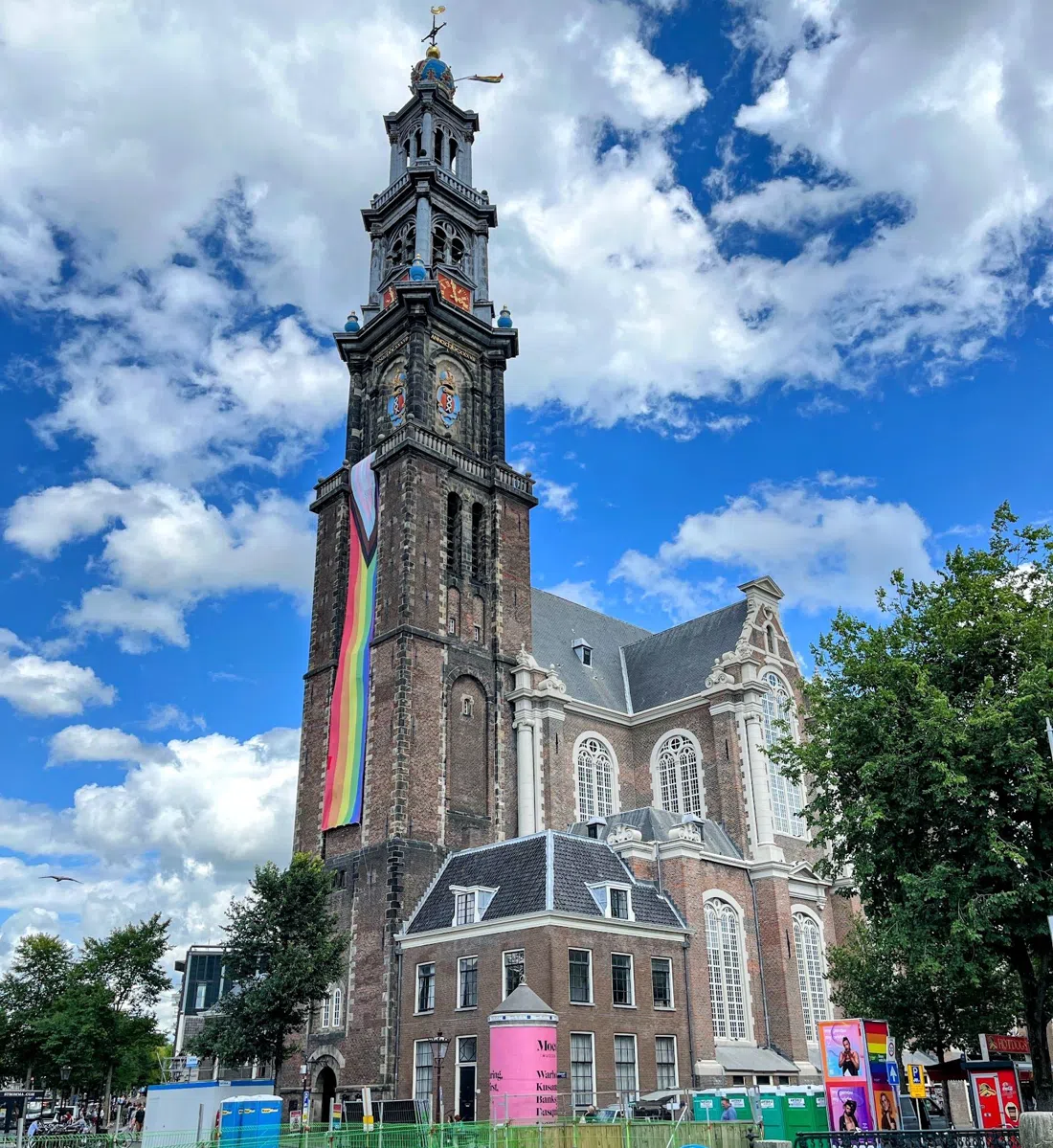
A Westerkerk visit in 2026 runs on two facts. It is a free, quiet, genuinely important building standing directly beside one of the most oversubscribed museums in Europe, and the single most-searched thing about it, climbing the tower for the view, is the one thing you cannot currently do. Both shape the timings below.
What you actually see inside
Hendrick de Keyser designed it and died before it was finished; the church was completed in 1631. It was built from the ground up as a Protestant church rather than converted from a Catholic one, which is why the interior surprises people who have been doing cathedrals elsewhere on the trip. There are no side chapels, no gilded altar, no dim ambulatory. You get white walls, clear glass, wooden barrel vaults and a room that is essentially a very large hall for hearing a voice in. The decoration is the carpentry and the organ case.
Rembrandt was buried here in 1669 in a rented grave, and rented graves were cleared. Nobody can point to the exact spot, and the church does not pretend otherwise: a marker near the north wall stands in for a location that was lost centuries ago. It is a more honest memorial than most, and it takes about thirty seconds to see, so calibrate your expectations before you walk in hunting for a tomb.
The bells are the other half of the experience and they are free wherever you stand. The clock marks the hour and the quarters over the rooftops, the carillon plays above it, and the sound reaches straight into the streets and houses around the square, including the annexe next door, which is why those bells have a place in a book that millions of people have read. Stand on the bridge at the top of the hour and you have had the best free thing in the district.
Realistic timing inside: twenty to forty minutes. Longer if there is organ practice going on, which happens and which you cannot plan for.
The tower is shut, and there is no workaround
People book flights around this, so it is worth stating flatly. The Westertoren cannot be climbed at present. The church's own visitor information puts this down to restoration and frames it as a multi-year situation rather than a few weeks of scaffolding, and the old tower-tour website that used to sell the climb is dead. If you find something online offering Westertoren tickets, it is out of date.
If you came for the view, change the plan now rather than at the door. There is no equivalent staircase in this part of town, and this district pays off at water level and street level instead. The two substitutes that work are a small boat on the canal below the church and an afternoon on foot in the streets opposite, both covered further down.
The best hour to go in September 2026
Free walk-in for individuals runs Monday to Friday, 11:00 to 15:00. That is four hours a day, five days a week, and it governs everything else you plan around here. There is no weekend walk-in window, so a Saturday-and-Sunday city break needs the church slotted into the Friday or the Monday.
Within that window, go at 11:00. The room is emptiest in the first thirty minutes, the light through clear glass is at its best on a bright September morning, and you are then well placed for everything else in the district before the afternoon fills up. The 14:00-15:00 end of the window is the worst of it: the street outside is at its densest, and you are sharing a small door with people who have just come out of the museum next door.
Entry is free, with a donation box that takes cash or card, a rarity worth knowing if you are travelling cardless-cash-free, which in this country you increasingly can.
One firm rule catches tour groups: organised groups and guided visits must be arranged in advance by email, and third-party guides are not permitted to run tours inside without prior permission. If you have booked a walking tour of the area that implies going in, check what it actually includes. Guided canal tours of this stretch exist and are bookable, they run seven days a week, and prices start from around 19 USD per person, but a boat is not a way into the church, and nothing on the water gets you up the tower either.
The square at the church's feet
Give the visit ten more minutes at Westermarkt and the Homomonument (the open square wrapped around the church). Karin Daan's three pink granite triangles were unveiled in 1987 as the world's first memorial to gay men and women persecuted for their sexuality, and one of them steps down into the canal. It is deliberately undramatic and easy to walk over without noticing; the descending triangle is usually where flowers are left, so walk around it rather than across it. The Anne Frank statue stands a few paces away. The square is open around the clock, costs nothing, and imposes no group limits: it is the one place here where a party of fifteen causes no problem at all.
Together, church plus square is the honest one-hour version of this subject: the building, the bells, the graves and the two memorials that give them context.
The museum next door and its booking trap
The Anne Frank House (Prinsengracht, immediately north of the church) is not a spontaneous visit and has not been for years. Entry is by strictly timed 30-minute slots, online only. There are no walk-ups and no door sales, and a group cannot be walked in off the street. Tickets are €16.50 adult, €7 for ages 10-17 and €1 under 10.
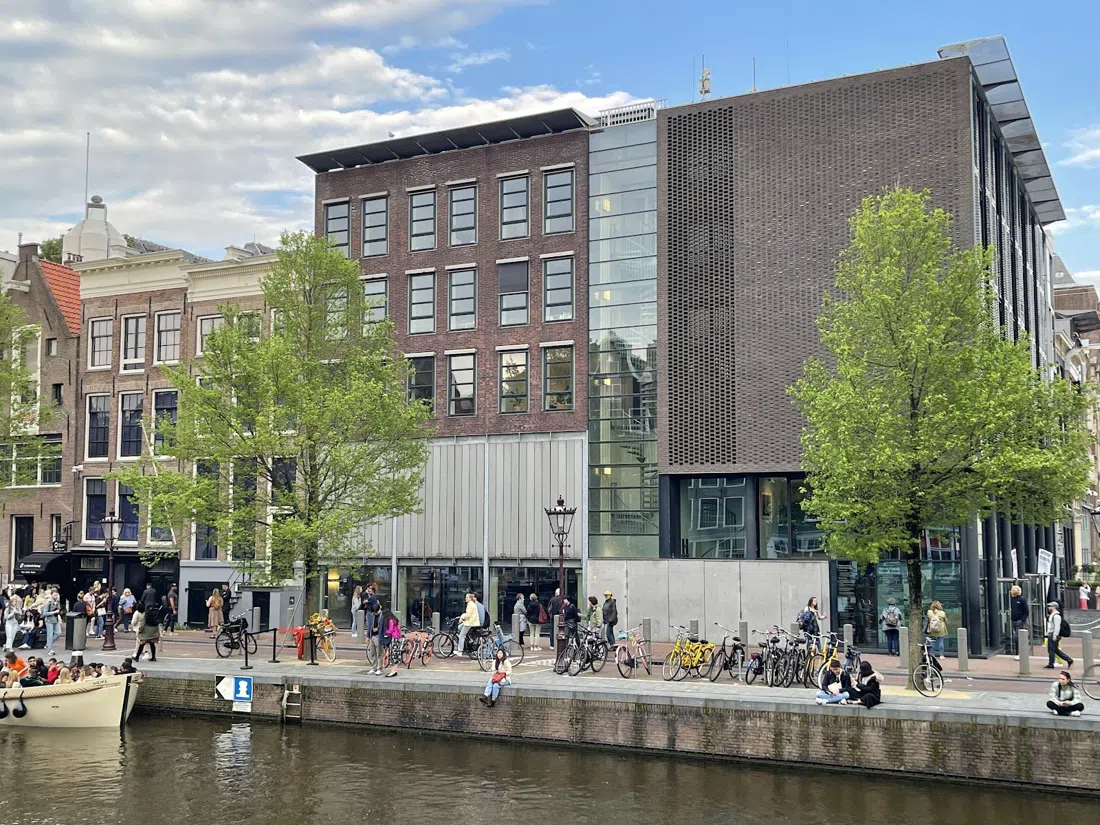
The release mechanism is the thing to write on your hand: tickets go live every Tuesday at 10:00 CEST for a date six weeks ahead. Work backwards from your travel dates, set an alarm, and be at a screen. And before you book anything around it, note that the museum is closed on 21 September 2026 for Yom Kippur. If that is your one full day in the city, move the day, not the plan.
If the slot has gone, the church next door is still free, still open on weekday mornings, and still the building those bells were rung from. That is a different visit, and it stands on its own.
Where to go when the weather turns
September here does about what you expect: bright mornings, a band of rain in the afternoon, and a wind that finds the canals. Three indoor options sit within a five-minute walk.
Huis Marseille, Museum for Photography (Keizersgracht, two canals east) is the best wet-afternoon room in the district, a serious contemporary photography museum installed in the kind of canal house you spend the whole trip wondering about from outside. It is €12.50 for adults, free under 18 and on the Museumkaart, and groups of eight or more get €10 per person with a week's notice by email. Be warned on access: the staircases are steep, historic and unmodified, which makes it a poor choice for wheelchairs and walkers.
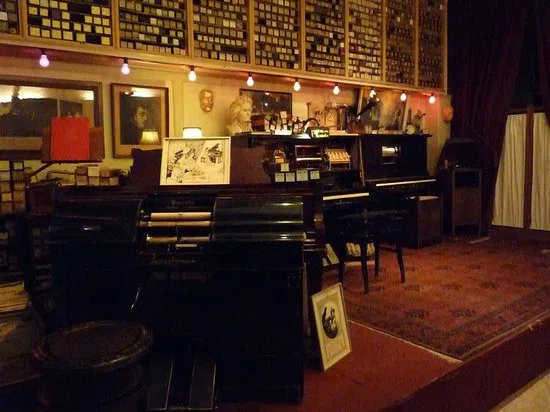
Geelvinck Pianola Museum (Westerstraat, in the Jordaan proper) is the opposite of a glass-case museum: the guide plays the instruments, drawing from an archive of some 30,000 rolls, and you are there to listen rather than look. Around €10. It has to be planned rather than stumbled into. It opens Friday and Saturday 13:00-17:00 and Sunday 13:00-16:00 only, the rooms are tiny so it suits small groups, and you should book ahead by phone or email ([email protected]). Concerts in the music lounge need reservations.
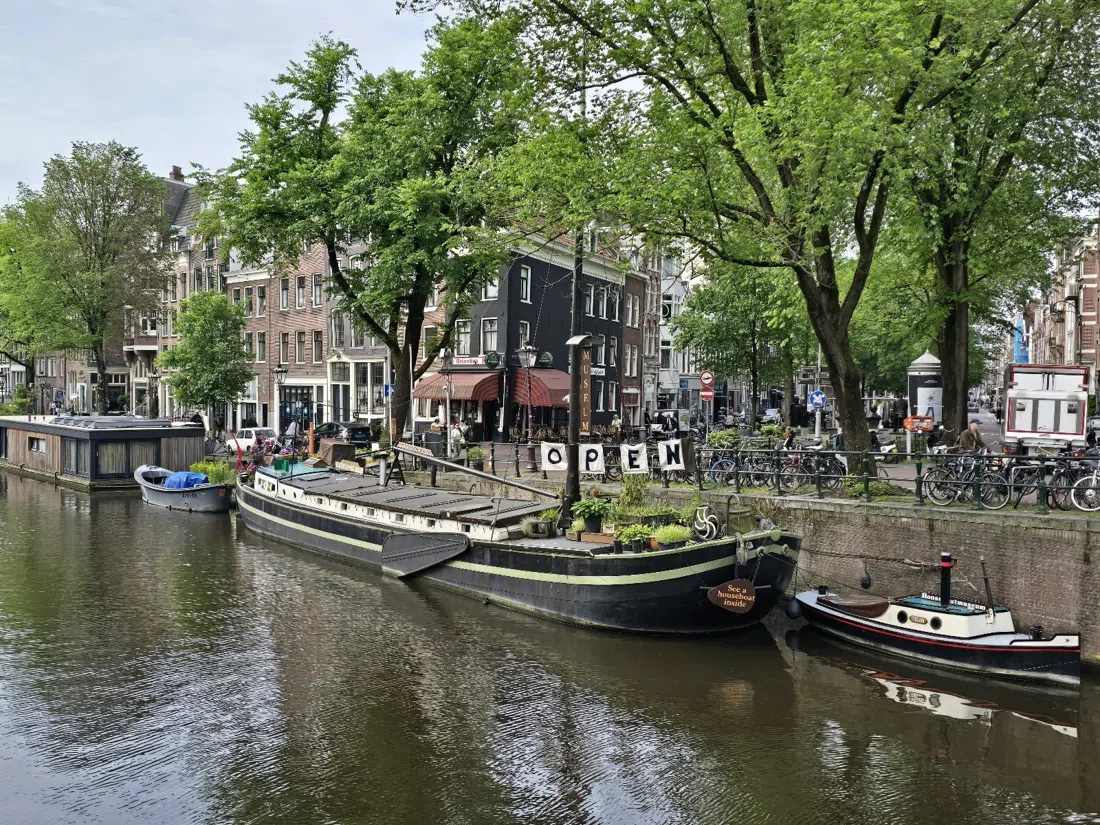
The Houseboat Museum (Prinsengracht, five minutes along the same water) is the only place you can legitimately go inside a houseboat rather than peering at one. It is €9.50 adult, €8 if you book online for a 10:00-12:00 slot, €5 for ages 5-12, and the visit really is 25-35 minutes, not an hour. Open daily 10:00-17:00, and it stays open to 20:00 in summer through 30 September, so a September trip still catches the long hours. Groups of ten or more are by email only and get split into sub-groups of 10-15, with the leader going free.
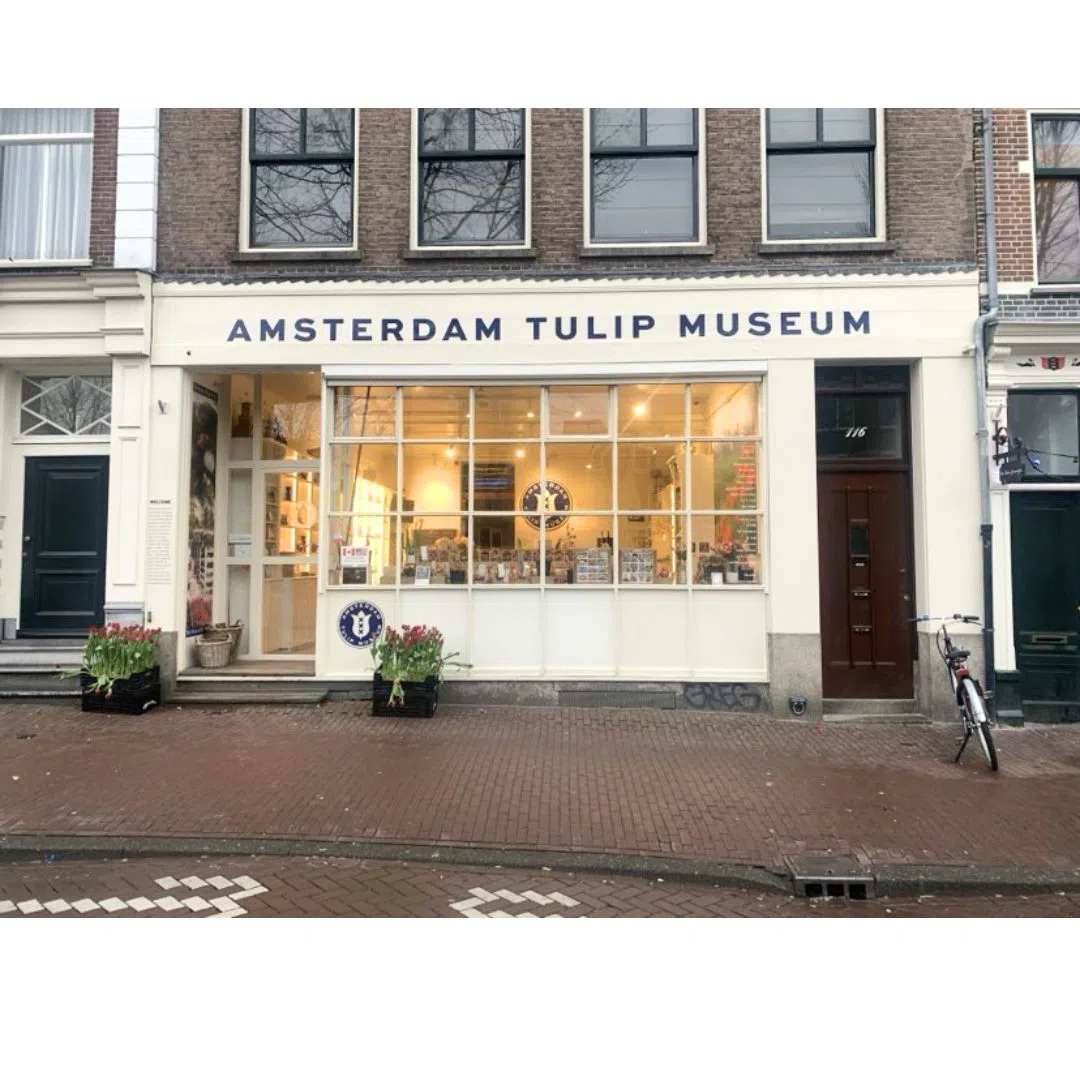
The Amsterdam Tulip Museum (Prinsengracht, between the church and the Noordermarkt) is small, honest about tulip mania rather than romanticising it, and takes half an hour. €7 adult, €4 student, €15 family, daily 10:00-18:00. It sits directly on the walking line, so it costs you no detour; walk in or buy online, and groups should call ahead because the premises are small.
Hearing the architecture instead of looking at it
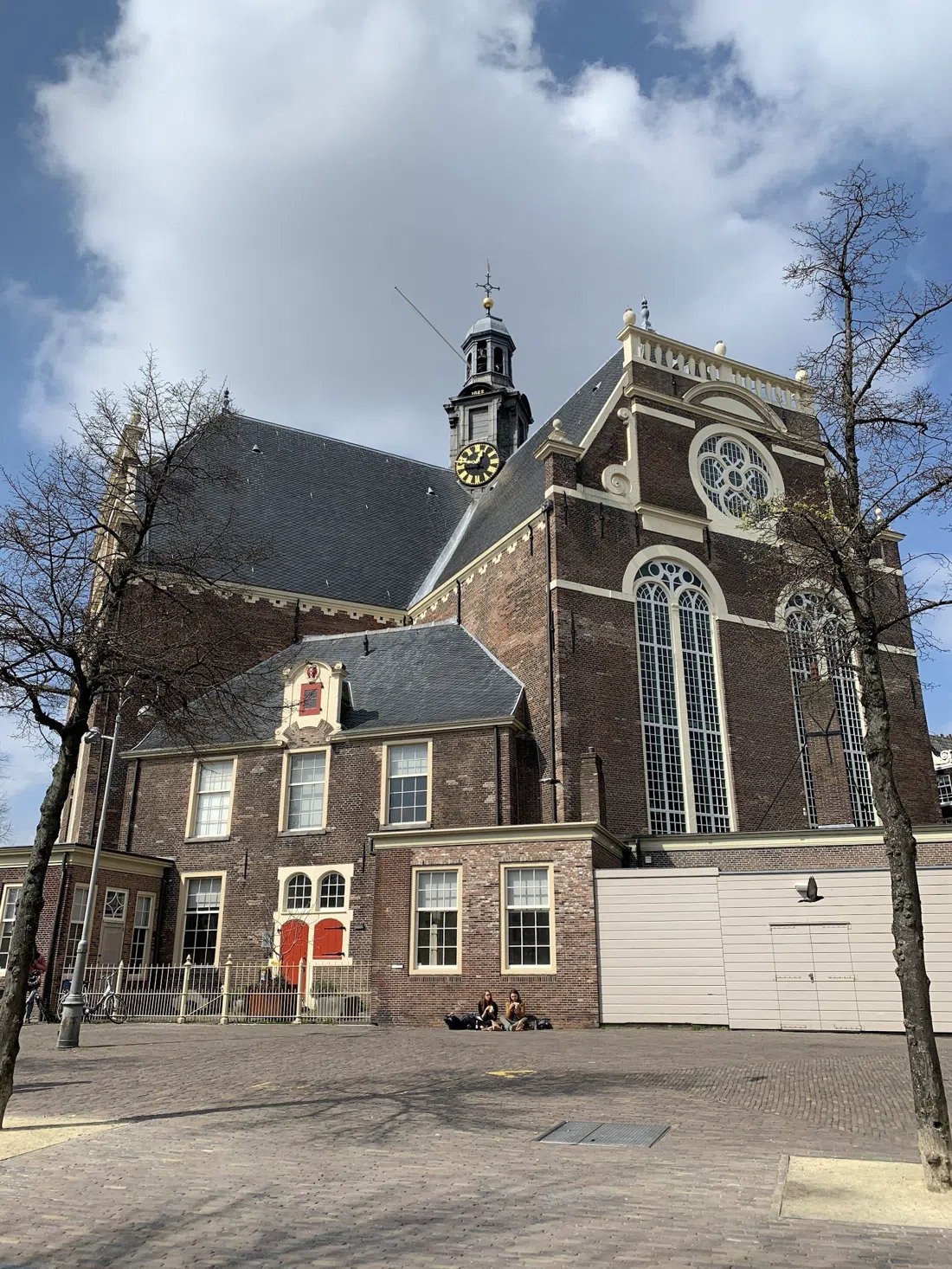
If the tower closure has left a hole in your plan, this is the thing to put in it. Noorderkerkconcerten at the Noorderkerk (top of the Prinsengracht, ten minutes north) run Saturdays at 14:00 from September through May, so a September visit catches the season opening. Tickets are roughly €20, bought in advance online, and seating is open, which is fine for groups, though there are no reserved blocks, so arrive together or sit apart. The Noorderkerk is De Keyser's other church, so you get to hear the same architectural idea rather than photograph it.
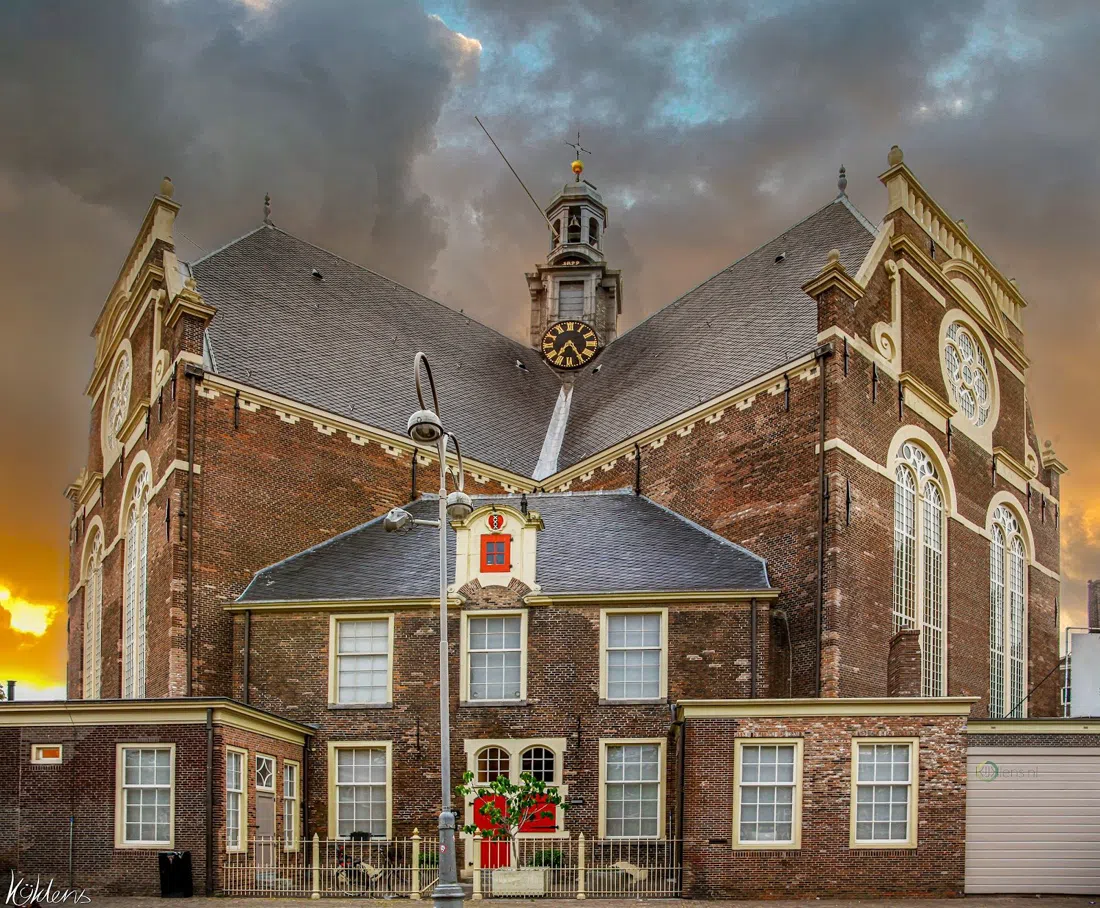
Pair it with the Noordermarkt (the square outside) if your Saturday allows: the organic farmers' market runs 09:00-16:00, and there is a flea and textile market on Mondays from 08:30 to 14:00. It is the one thing in this area that rewards an early start, since by late Saturday morning it is shoulder to shoulder, and it pairs naturally with an 11:00 church visit if you do the market first. More routes and seasonal detail sit in our Amsterdam guide.
The water and the streets opposite
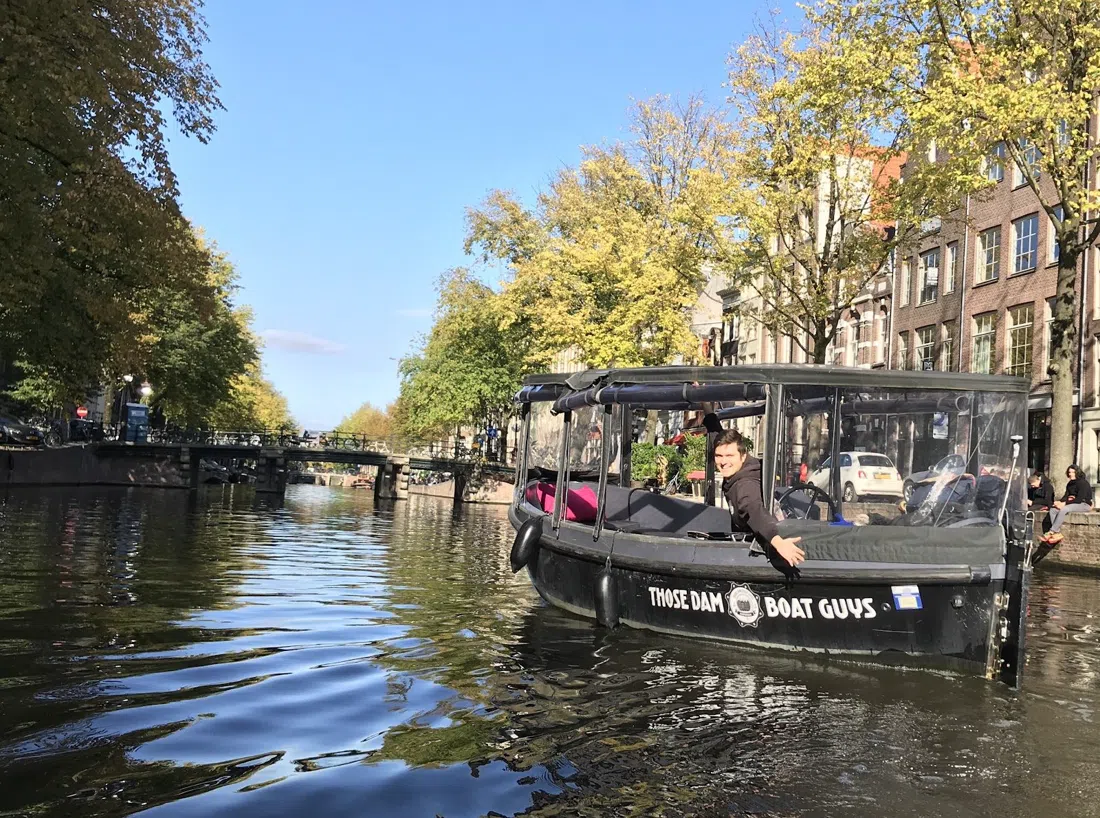
For the view you did not get from the tower, go down instead of up. Those Dam Boat Guys (meets on the Prinsengracht by the church) run small open boats along exactly the stretch you have been walking, so you see these house fronts and bridges from the level they were built to be seen from. Public trips cap at six people; seven or more must book the whole boat as a private charter. It is mid-range per person, unscripted, adult in tone and fairly profane. That suits some travellers very well and families not at all, and it is nothing like a commentary-through-speakers cruise.
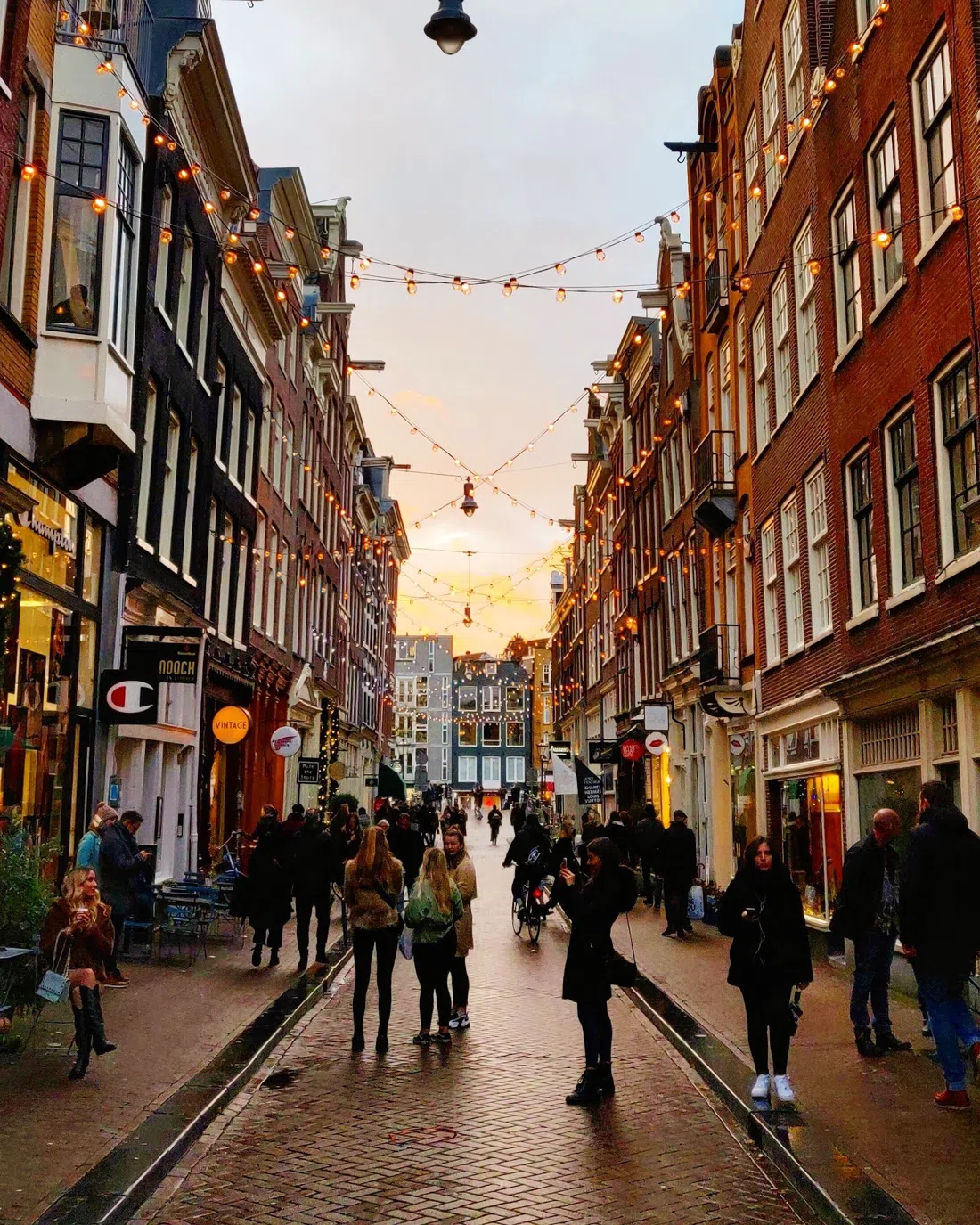
De Negen Straatjes (directly across the water from the church) is the reason a forty-minute plan turns into a half day. Nine short cross-streets of small independent shops and cafés, free to walk, with Thursday as late shopping night. The shops are genuinely small, so a large group should split up and regroup at the end rather than filing through in a line.
Four cafés, and when each one is open
Opening times matter more than reviews here, because half of these places are shut when you will want them.
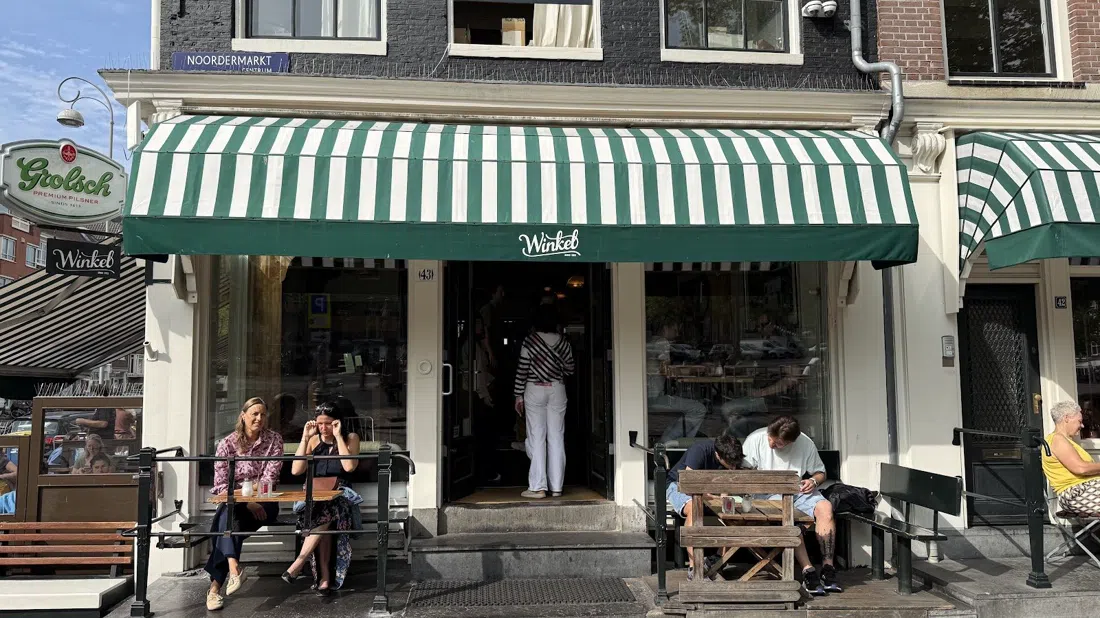
Winkel 43 (Noordermarkt) anchors the market end of the walk, with apple pie at €5.30 a slice and €1 for cream, and a kitchen running 08:00-15:00 for breakfast and lunch. It takes reservations, has a dedicated groups contact, and its terrace absorbs numbers better than anywhere else in the Jordaan. The Saturday-market queue is real; go on a weekday or accept the wait.
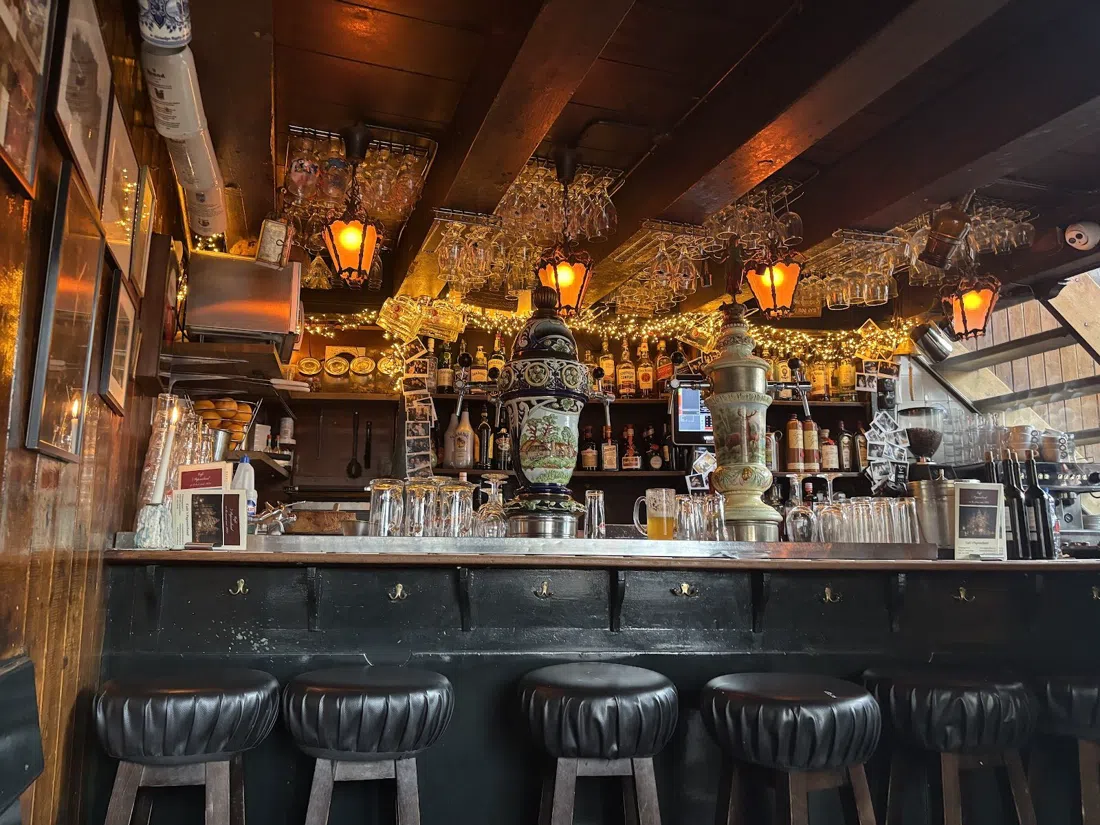
Café Papeneiland (top of the Prinsengracht) is walk-in, open 11:00 to late daily, and the interior is a genuine 17th-century one rather than a reconstruction. Coffee and appeltaart, small rooms, best for a few people rather than a party.
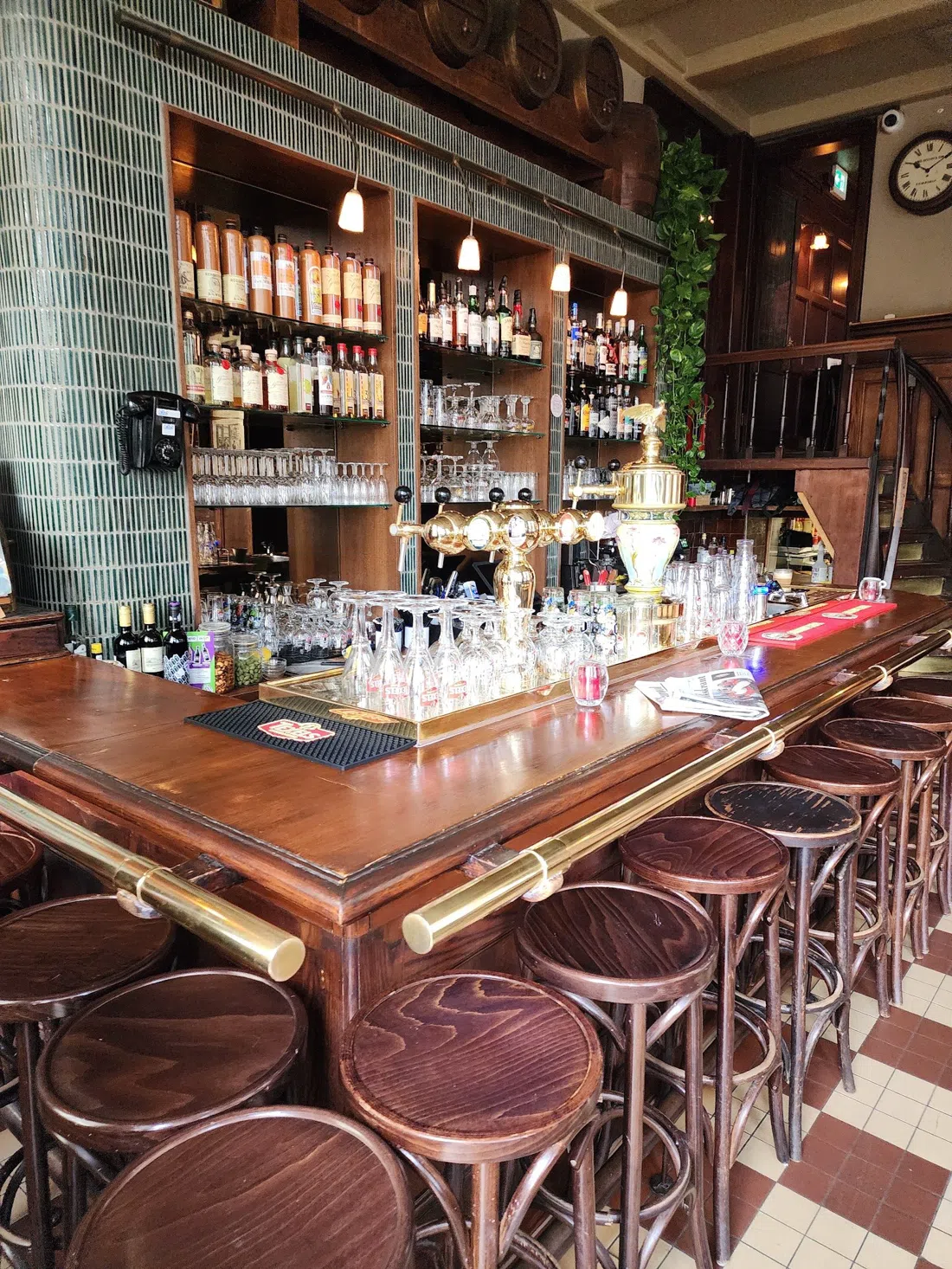
Café 't Smalle (Egelantiersgracht, five minutes behind the church) has the prettiest bar terrace in the Jordaan and no reservations: you walk in and squeeze on. It opens between 13:00 and 14:00 most days, so it is an afternoon stop rather than a morning one, and anything above six people will struggle on that terrace.
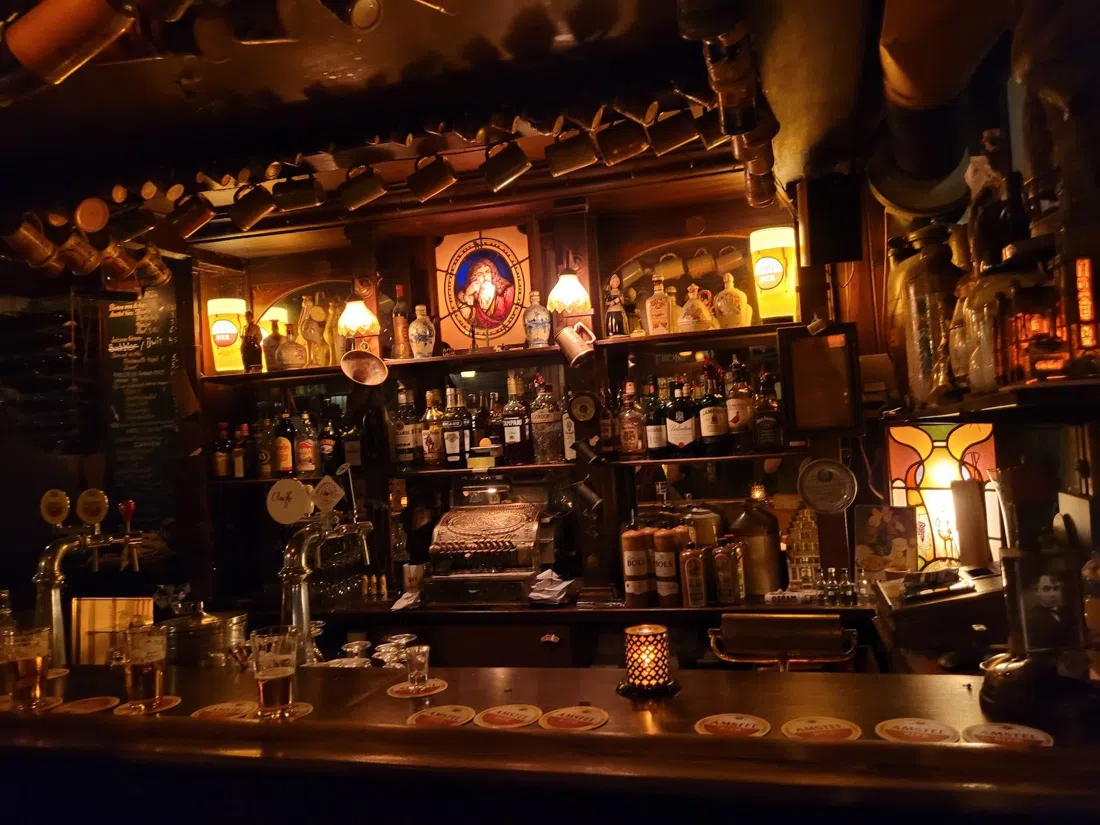
Café Chris (Bloemstraat, Jordaan) is the oldest café in the district and tied directly to this subject: the story goes that the Westerkerk's builders were paid here. It opens at 15:00 daily, has one small room, and a large group effectively takes the place over. Pair it with a late church visit at the end of the free window, not an early one.
Is it worth it
Yes, with a condition. As a free twenty-to-forty-minute stop inside a serious building, in a district you were going to walk anyway, the Westerkerk is worth it to almost anyone: architecture readers, anyone who has read the diary, anyone who wants one quiet room in a loud city. It is particularly good for travellers on a tight budget, since church, square, memorial and bells cost nothing at all.
It is not worth restructuring a day around, and it is emphatically not worth travelling for if the tower view was the reason. That is off the table and will be for some time. It suits couples and solo travellers best; groups need to email ahead, and a guide you brought with you cannot work inside without prior permission. Families do fine in the church and the square; skip the small boat.
Practical notes
Getting there. Trams 13 and 17 stop at Westermarkt, directly outside the church on Raadhuisstraat. From Centraal Station it is about a twenty-minute flat walk along the canals, which is the better arrival: you approach the tower down the water and see why it was built to be seen from there. Tap in and out with a contactless bank card on trams; a single fare is valid for an hour.
Money. The church donation box takes cash or card, which is unusual and useful. Many Jordaan cafés are card-only; a few of the oldest are cash-friendly. Carry a small amount of euros for the markets.
Timing in one line. Church 11:00 Monday to Friday; Noordermarkt Saturday morning or Monday morning; concerts Saturday 14:00; the brown cafés from mid-afternoon onwards.
Budget for a full day. Church and square free, Tulip Museum €7, Houseboat Museum €9.50 (€8 booked online for a morning slot), Huis Marseille €12.50, Geelvinck around €10, a concert ticket about €20, apple pie €5.30. A good version of this day runs well under €50 a head before dinner, and a genuinely free version exists.
Where to sleep. Staying inside the canal ring puts you in the church's bell range and makes the 11:00 opening effortless; compare rates and locations through our Amsterdam hotel search. Anywhere in the Jordaan or the western canals puts everything above within a fifteen-minute walk.
One last booking note. If your trip includes the museum next door, build the whole itinerary around that Tuesday 10:00 CEST release six weeks out, and around the 21 September 2026 Yom Kippur closure. The church will be there either way.