Rain arrives in Amsterdam without much warning from October onward, and paper is the city's best answer to it. Deeds for houses you can still walk past, a trading company's accounts from the 1600s, a library that has not stopped working since 1616, a Friday market where loose documents change hands for a euro. Most of it is indoors, a lot of it is free, and the most impressive room in the set costs nothing to enter.
The free vault beneath Vijzelstraat
Stadsarchief Amsterdam (De Bazel, Vijzelstraat, on the southern edge of the canal ring) is the anchor of all of this: more than 800 years of the city written down and kept. Canal-house deeds passing from one merchant family to the next, the paperwork of the VOC, and shelf after shelf of notarial registers recording debts, ship shares, marriages, inheritances and arguments, which is the raw material of the streets you are walking on. It sits inside De Bazel, a 1920s office block built for a trading firm, so the public floors are tiled, vaulted and strange rather than the usual municipal grey. Tram 24 stops at Keizersgracht on Vijzelstraat itself; from Muntplein it is a walk of about five minutes.
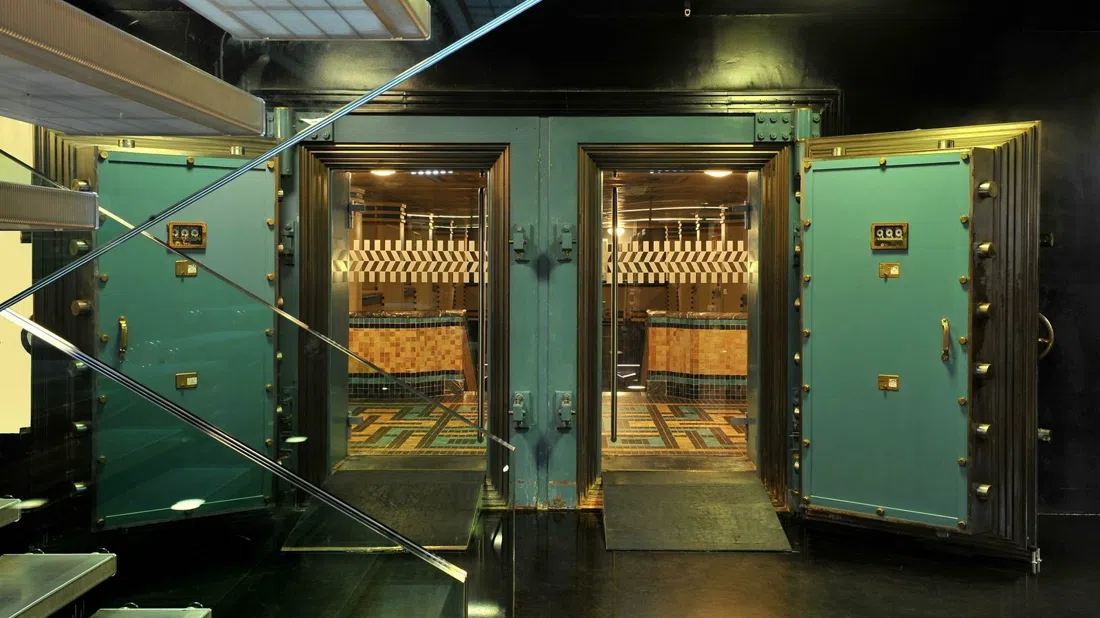
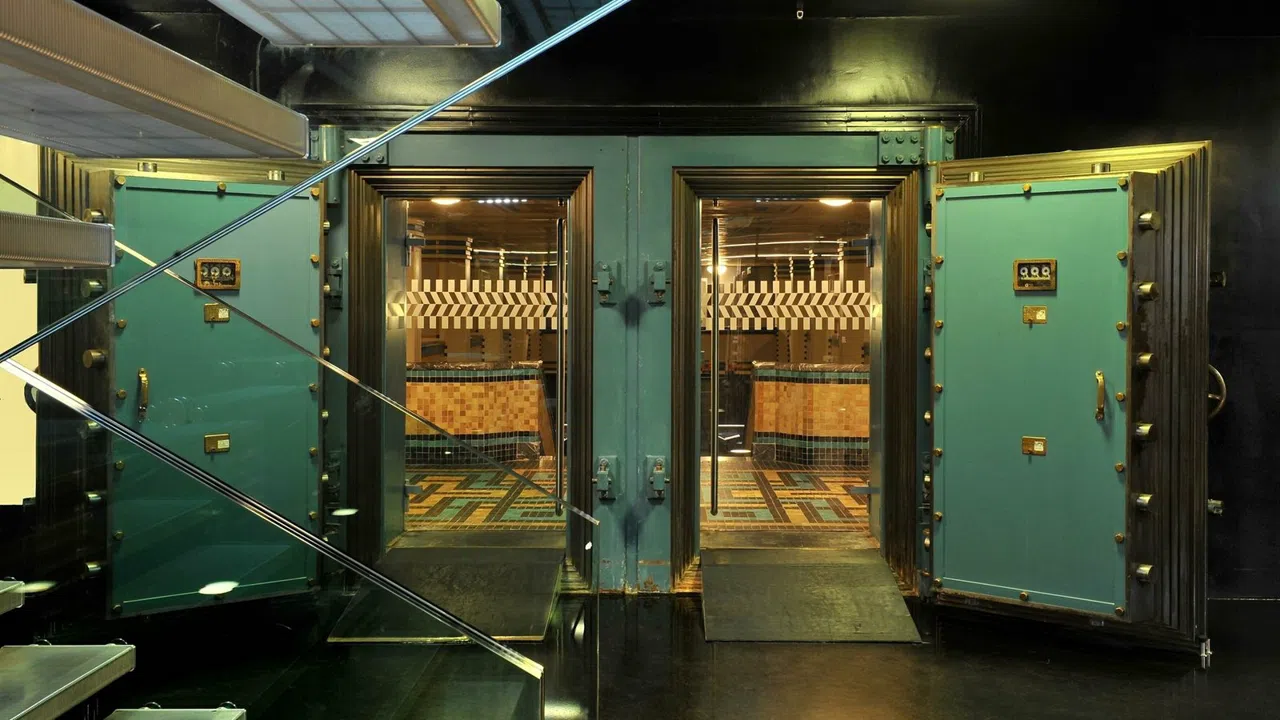
The room to see is the Schatkamer, the treasure vault in the basement, and it is free. So is the film room. You walk in off the street, go down, and find original documents laid out under low light in a space built to hold a bank's valuables. It is the best free interior in the city, with no ticket desk and no timed entry to negotiate. Get the opening hours right: closed Mondays, Tuesday to Friday 10:00-17:00, weekends 12:00-17:00. The quiet hour is a weekday morning just after ten. Weekends compress everyone into five hours and it shows.
Check the tours before you plan a group around them. A walk-in guided tour of the building runs Sundays at 14:00 for €10, under-16s free, but it is in Dutch, and if you do not follow Dutch you will get more from an unhurried solo circuit of the vault and the exhibition. Private building tours are bookable in advance at roughly €95 for up to twenty people, which is under €5 a head at full size and the only sensible route for a group. Large groups that simply turn up will be a problem for the staff and for everyone else in the room. If this is one stop in a longer trip, the wider Amsterdam guide covers what sits around it.
Manuscripts, incunabula and one library you must email first
Allard Pierson (Oude Turfmarkt, beside the Rokin in the old centre) is the deep-history counterpart to the municipal archive: the University of Amsterdam's own paper hoard, with around 300 medieval manuscripts, some 600 incunabula (books printed in the first fifty years of European printing) and over 600,000 letters. The museum costs €15.50 for adults, €6 for students, and is free with a Museumkaart; it opens Tuesday to Sunday, 10:00-17:00. Rokin station on the north-south metro line surfaces almost at the door.
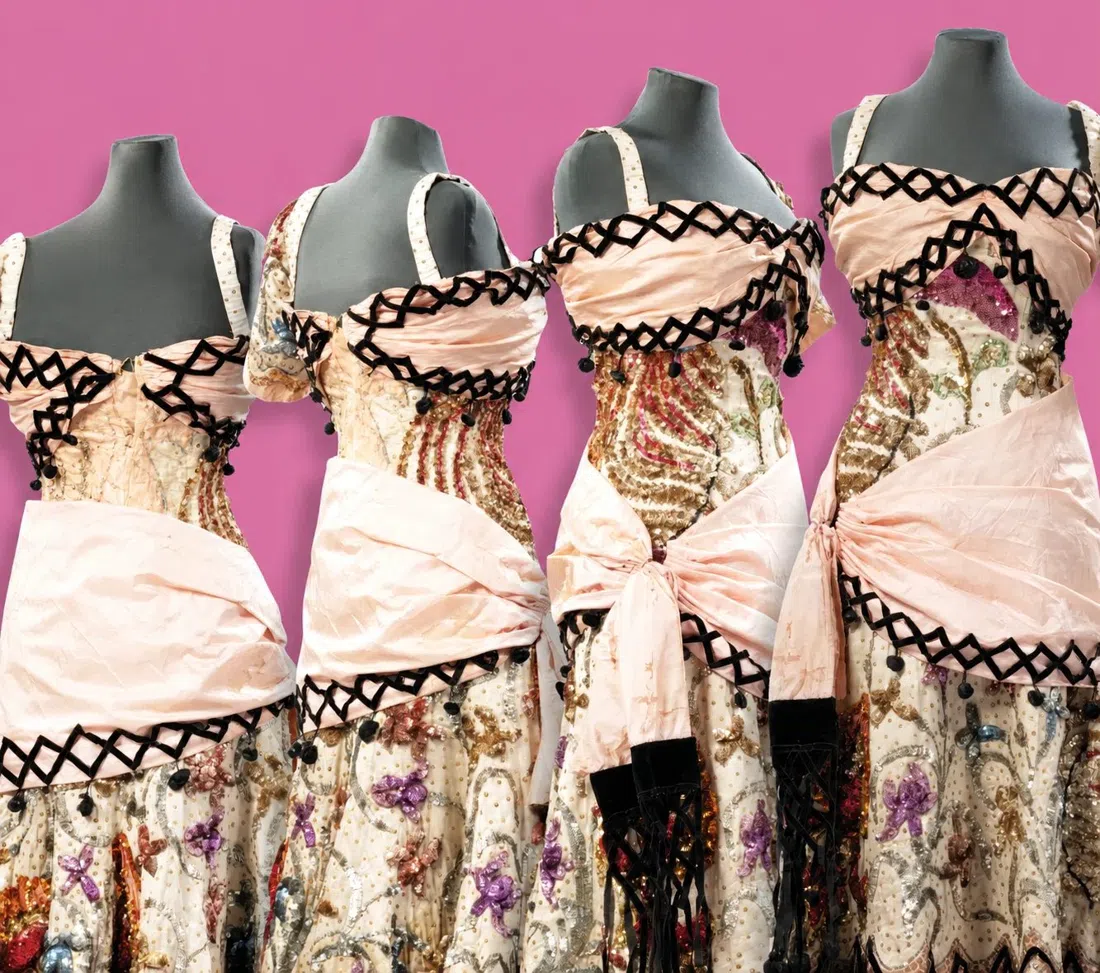
Groups are genuinely welcome here, unusually for this list: €13.50 per person for ten or more, with guided tours available, and €3.50 per person for school groups. The reading room is a different proposition: free, open Monday to Friday 09:30-17:00, but by pass and ID only, and not a place to take a party of twelve. Send one or two people who actually want to consult something.
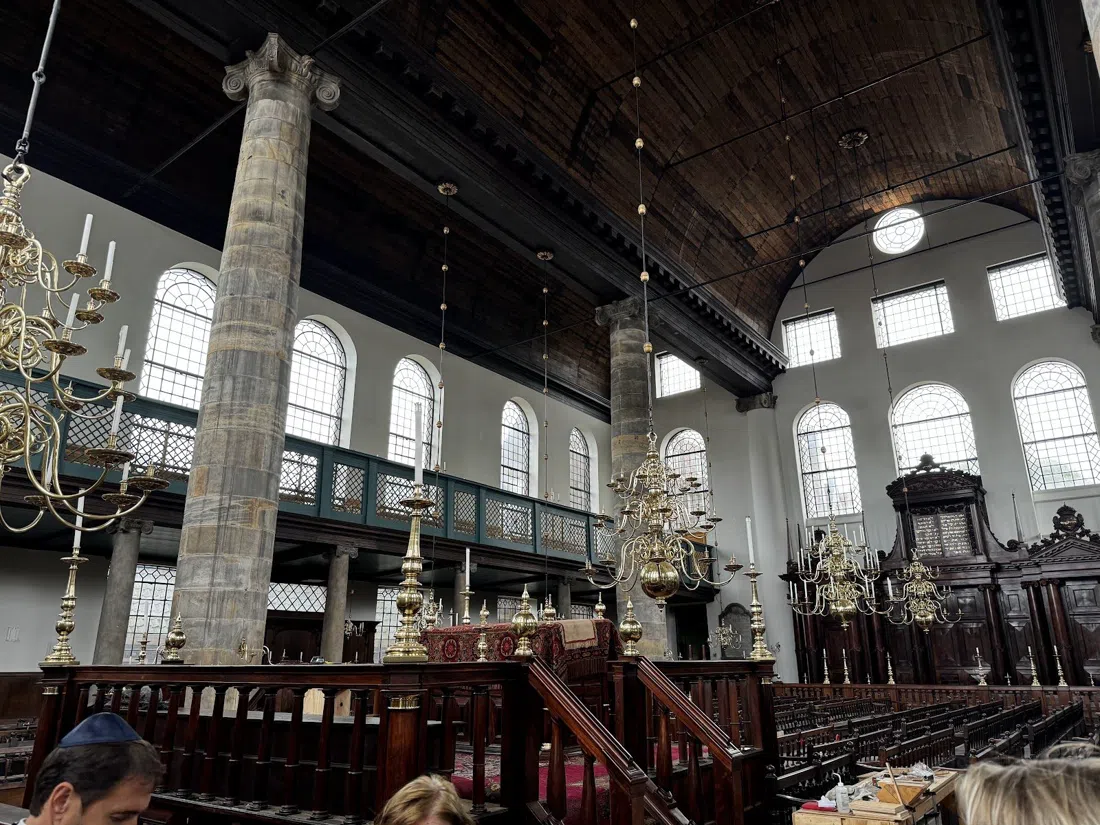
Ets Haim – Livraria Montezinos (Mr. Visserplein, beside the Portuguese Synagogue in the old Jewish quarter) is the one entry on this list you cannot improvise. Founded in 1616, it is the oldest still-functioning Jewish library in the world and a UNESCO Memory of the World collection: 30,000 printed works dating from 1484 onward and 500 manuscripts, the earliest from 1282. Access is by appointment only, arranged directly with the curator, Monday to Thursday 10:00-16:00, with no published walk-in ticket. Email well ahead and be specific about why you are coming. It suits two or three people who will look carefully. It is not a stop for a coach party, and turning up hopefully will get you nothing but the outside of the door.
Two libraries built to be looked at
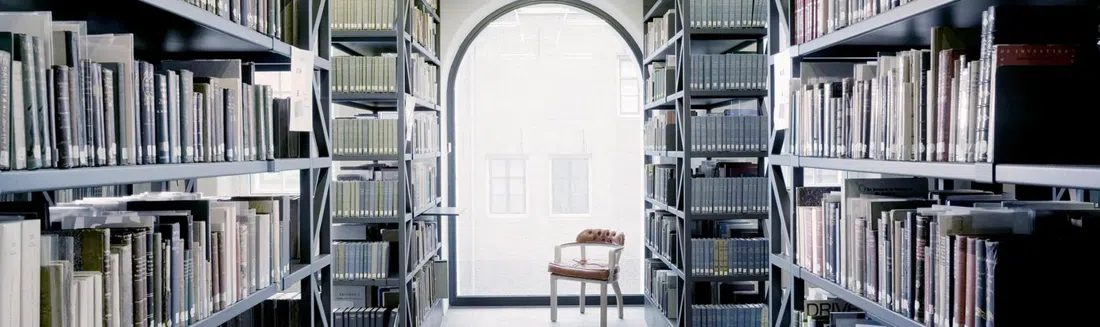
Cuypers Library (inside the Rijksmuseum, Museum Square) is the photograph everyone has seen without realising they can walk in on a standard museum ticket. It is the largest and oldest art-history library in the Netherlands, 450,000 volumes stacked up through cast-iron galleries, and the balcony view costs nothing beyond Rijksmuseum admission, with no separate library ticket and no booking. That balcony takes groups without complaint. The reading-room floor does not: a workspace there needs a per-person reservation at least two working days ahead plus ID, so treat it as a researcher's errand rather than a sightseeing stop. The library runs Monday to Saturday 10:00-17:00 and is closed on Sundays, which catches people out when the museum around it is open. Trams 2 and 12 stop outside.
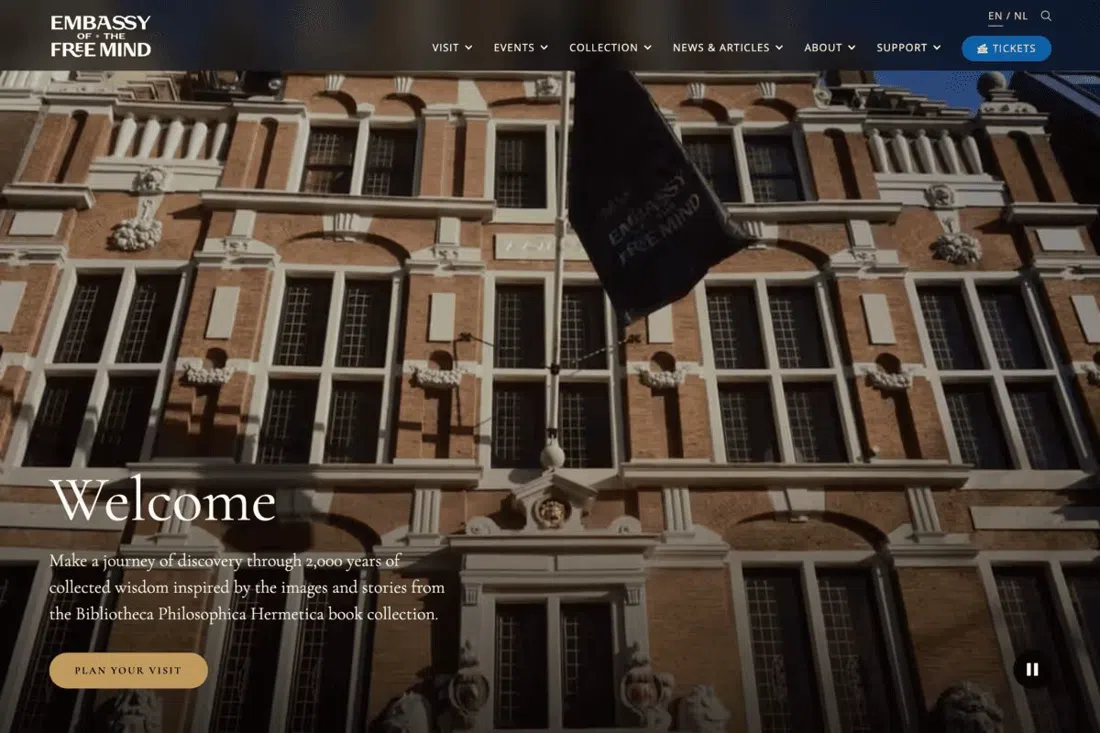
Embassy of the Free Mind (the Ritman Library, on the Keizersgracht in the western canal ring) is the esoteric flipside of all that official paperwork. Joost Ritman's hermetic collection of alchemy, mysticism, Rosicrucian and Hermetic texts, UNESCO-listed, occupies one of the grandest seventeenth-century houses on the canals, and the house is half the visit. Adults €15, students €8.50, youth €6.50, under-12s free, and free with a Museumkaart or I amsterdam City Card. Closed Monday and Tuesday; open Wednesday to Sunday. Guided tours and venue hire are offered, but the rooms are small and low-ceilinged, so book a group visit ahead or you will be standing in a stairwell.
The archives nobody else was keeping
Two collections here exist because someone decided the material mattered when no institution agreed. The International Institute of Social History (east of the centre, out past the Eastern Docklands) is one of the largest labour- and social-history archives anywhere: roughly a million volumes and 5,400 archival collections, including manuscripts by Marx and Engels. It is free, wheelchair accessible, and open Monday to Thursday 09:00-17:00 only. Friday, Saturday and Sunday it is shut, which is the most common way to waste a morning on this itinerary. The reading room is for individual researchers, with no group tour programme: arrive alone or in twos, register at the desk, and expect a working library rather than a display.
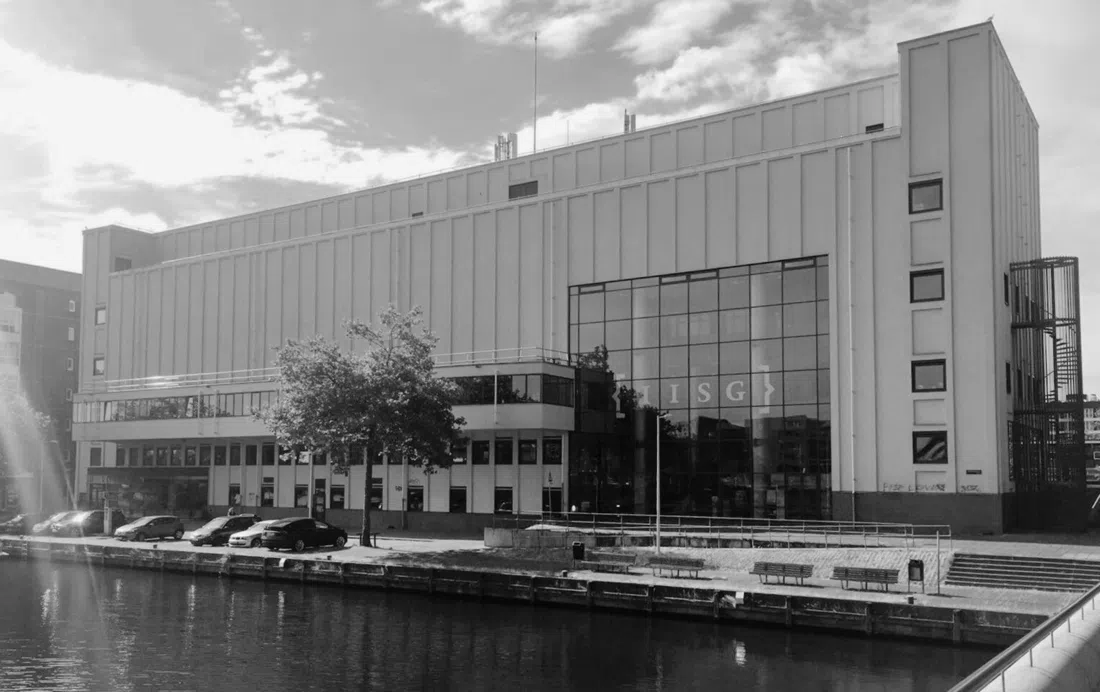
IHLIA LGBTI Heritage (Oosterdok, on an upper floor of the central public library, a five-minute walk from Centraal) is the easiest archive visit in the city. Europe's largest LGBTI collection runs to 100,000 titles across 1,515 metres of shelving, and it includes the posters, flyers and zines that nobody else bothered to keep, the ephemeral paper that normally goes in the bin and then becomes irreplaceable. It is free, the open-access floor and exhibitions are reachable seven days a week with no booking, and a group can simply walk in. The staffed information desk is narrower: Monday to Thursday, 12:00-17:00. If you want a question answered rather than shelves browsed, go in an afternoon early in the week.

Ships, etchings and a bankruptcy list
The Het Scheepvaartmuseum Library (Kattenburgerplein, on the Oosterdok, a walk east of Centraal along the water) is where the VOC's paper trail sits a few metres from the kind of ship it paid for. Sixty thousand books, some more than five hundred years old, with pre-1850 material fetched from the depot on request if you ask in advance. Library consultation is free on weekdays, 10:00-17:00; the museum itself is open daily 10:00-17:00 at €20 for adults, €8.50 for ages 5-17 and students, under-4s free. The museum absorbs groups happily. The library is a quiet weekday reading room, so send one or two people and let the rest look at the rigging.
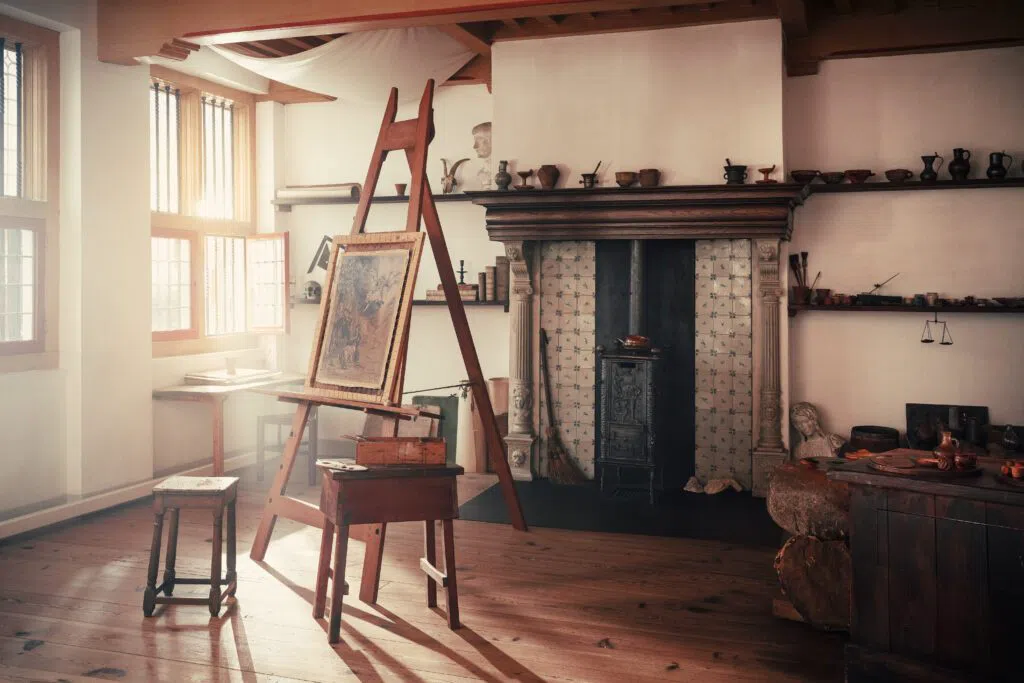
Museum Het Rembrandthuis (Jodenbreestraat, at the edge of the old Jewish quarter) belongs on a paper itinerary more than most people expect. It holds 250 of Rembrandt's 290 known etchings, shown in rotation because paper cannot survive continuous light, so the walls change and no two visits show the same prints. Etching demonstrations run three times a day on period equipment, which is the clearest explanation of how those images were actually made that you will get anywhere. The house itself is an archive document: the 1656 inventory drawn up for Rembrandt's bankruptcy lists what stood in these rooms, object by object, which is why the reconstruction is as exact as it is. Adults €23.50, or €19.50 off-peak between 16:00 and 18:00; under-25s €15, or €11 off-peak; the multimedia tour is included. It reopened in 2023 after a four-year expansion, opens daily from 10:00, and runs timed entry because the historic rooms are narrow, so groups must book a slot.
Buying paper instead of reading it
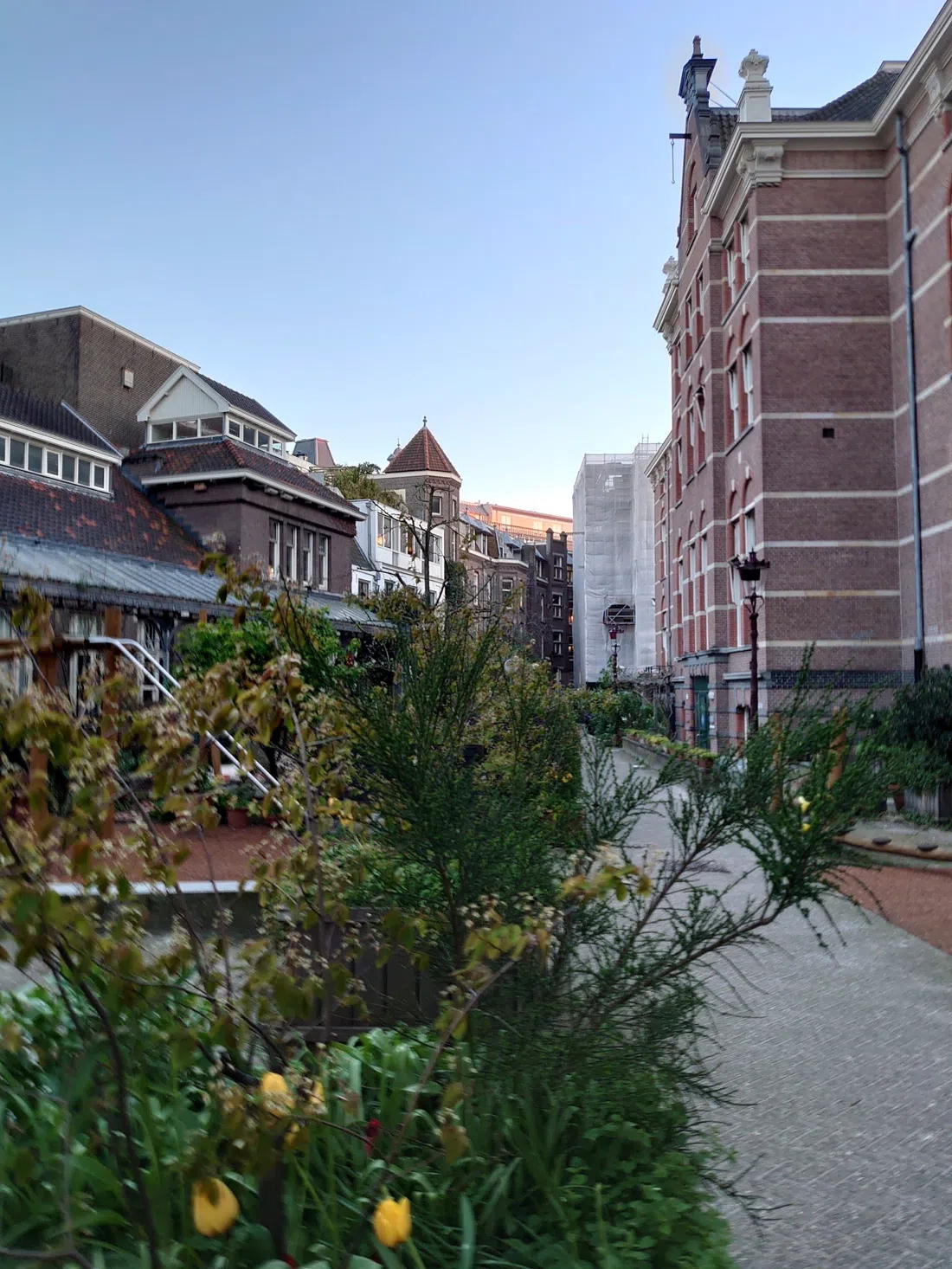
Oudemanhuispoort Book Market (a University of Amsterdam arcade in the old centre, between Kloveniersburgwal and Oudezijds Achterburgwal) is the one paper stop that stays dry in Dutch rain: second-hand books, historic maps, sheet music and old prints in stalls along a covered passage, roughly €1 to €50, Monday to Saturday about 10:00-16:00, closed Sundays. There is no door policy because it is a public passage, but it is narrow, and a group of fifteen will wall off the stalls and the browsers behind them.
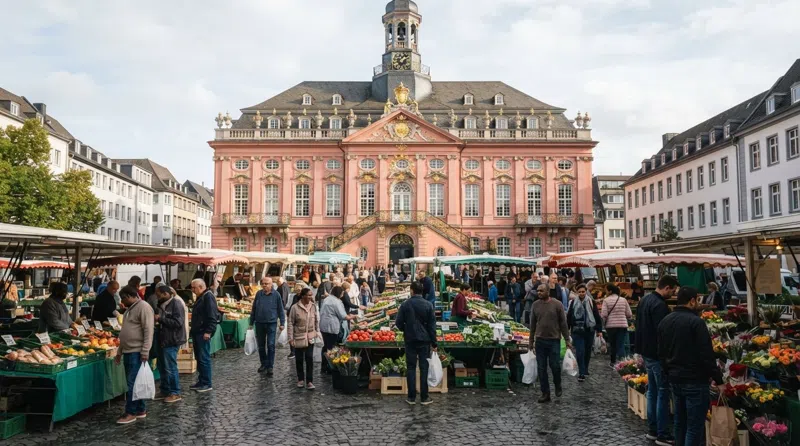
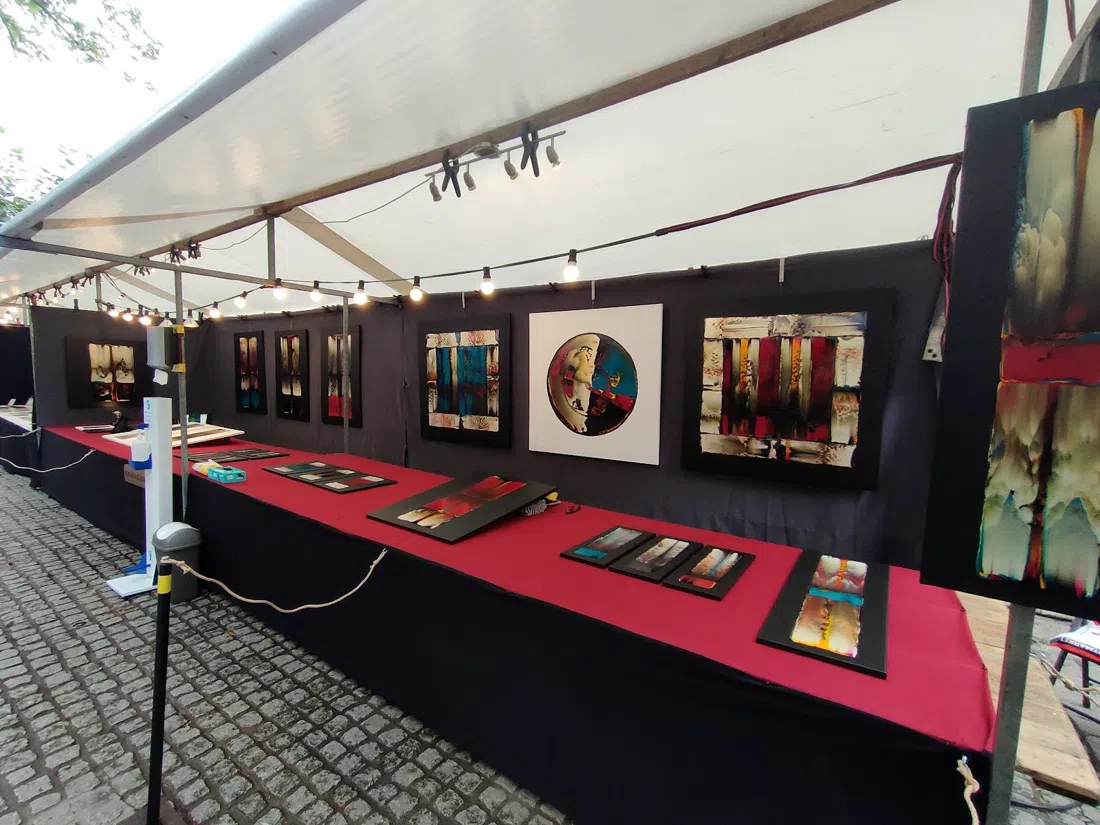
Boekenmarkt op het Spui (Spui square, five minutes from the Dam) runs Fridays only, 10:00-18:00, and is the easiest stop here for a group: an open-air square, no policy, antique books, prints, posters and loose documents in Dutch, English, French and German. It is cancelled only in genuinely severe weather; ordinary rain does not stop it, and the stallholders come prepared.
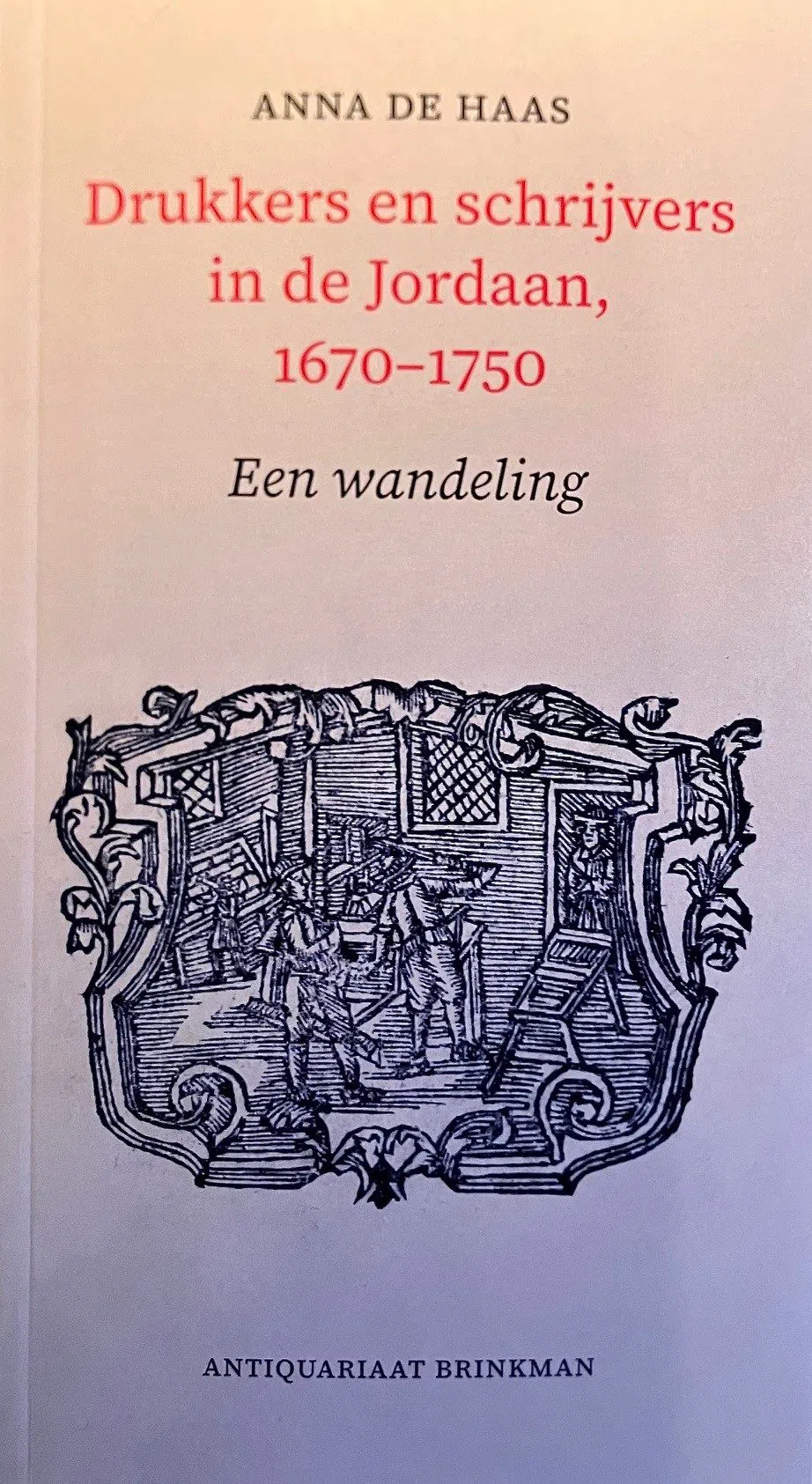
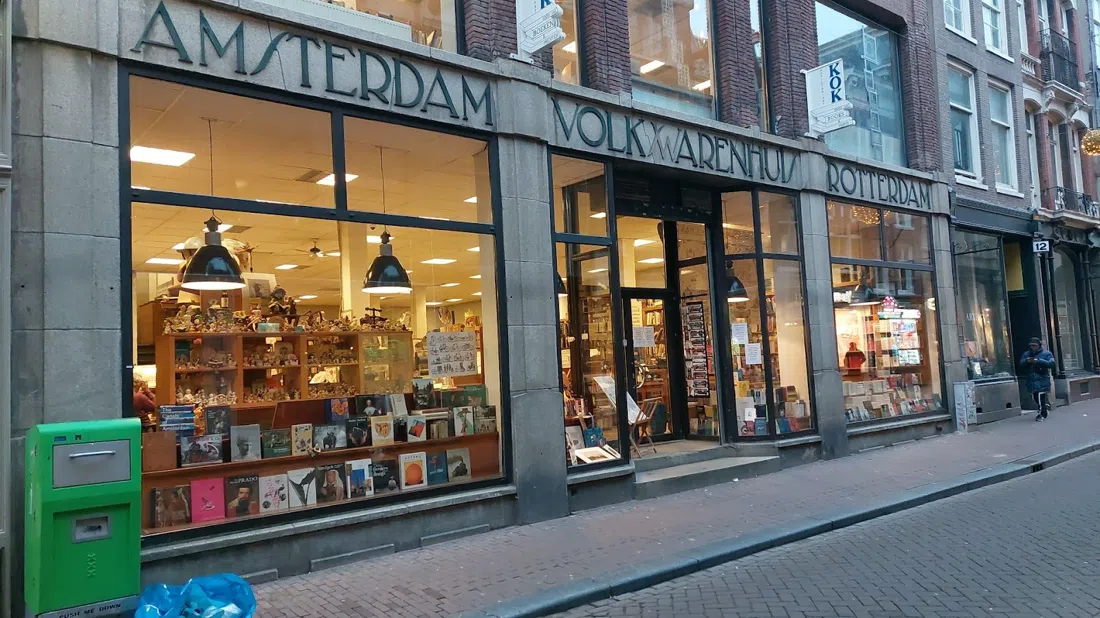
For the serious end of the trade, Antiquariaat A. Kok & Zn. (Oude Turfmarkt, a few doors from Allard Pierson) has been trading since 1946 across 1,500 square metres and five floors, with more than 70,000 books and prints and two floors open to the public. An ILAB member, so descriptions mean what they say; prices run from €5 to four figures. Tuesday to Saturday, closed Sunday and Monday, with out-of-hours visits by appointment. Antiquariaat Brinkman (Singel, old centre) is the opposite scale: founded in 1954, scholarly works, old and rare books, some maps, and premises small enough that two or three people at a time is the honest maximum. Tuesday to Friday 10:00-17:00, Saturday 12:00-17:00. Roughly €10 to several hundred.
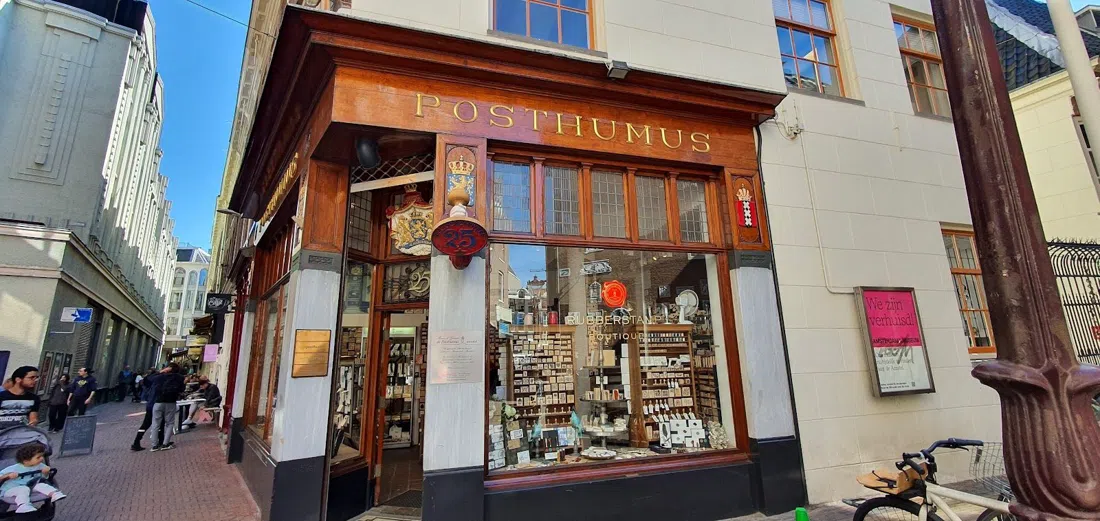
De Posthumus Winkel (Sint Luciënsteeg, off Nieuwezijds Voorburgwal) has been open since 1865 and still makes rubber stamps, wax seals and paper embossing to order, the living remnant of the sealed-document culture the archive preserves in boxes. Stamps and wax run about €3 to €15; custom embossing and monograms are quoted. The room fits four or five people, so a group should split and take turns. Tuesday to Friday 09:00-17:00, Saturday 11:00-17:00, closed Sunday and Monday.
Where the paper is still made
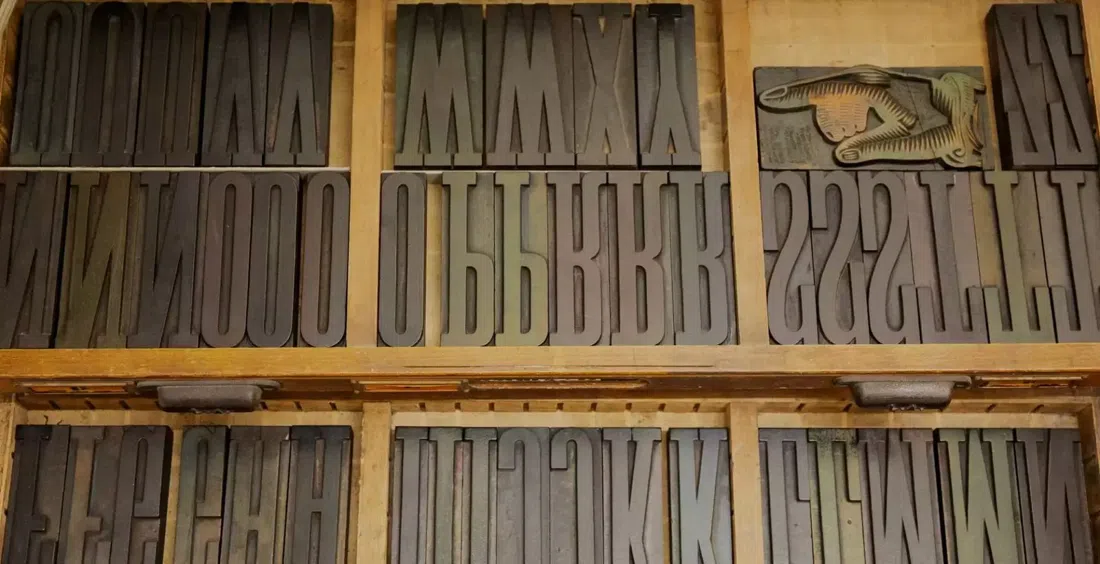
Grafische Werkplaats Amsterdam (Amsterdam-Noord, one free ferry hop from behind Centraal) is the hands-on entry: typesetting, letterpress, monoprint, etching and bookbinding taught on real machines, Tuesday to Saturday 10:00-17:00. Workshops start at around €50 per person, with multi-session courses and group rates on request. This is the rare stop that actively wants groups, and they run school parties of seventy-plus split across sessions, but book well ahead.
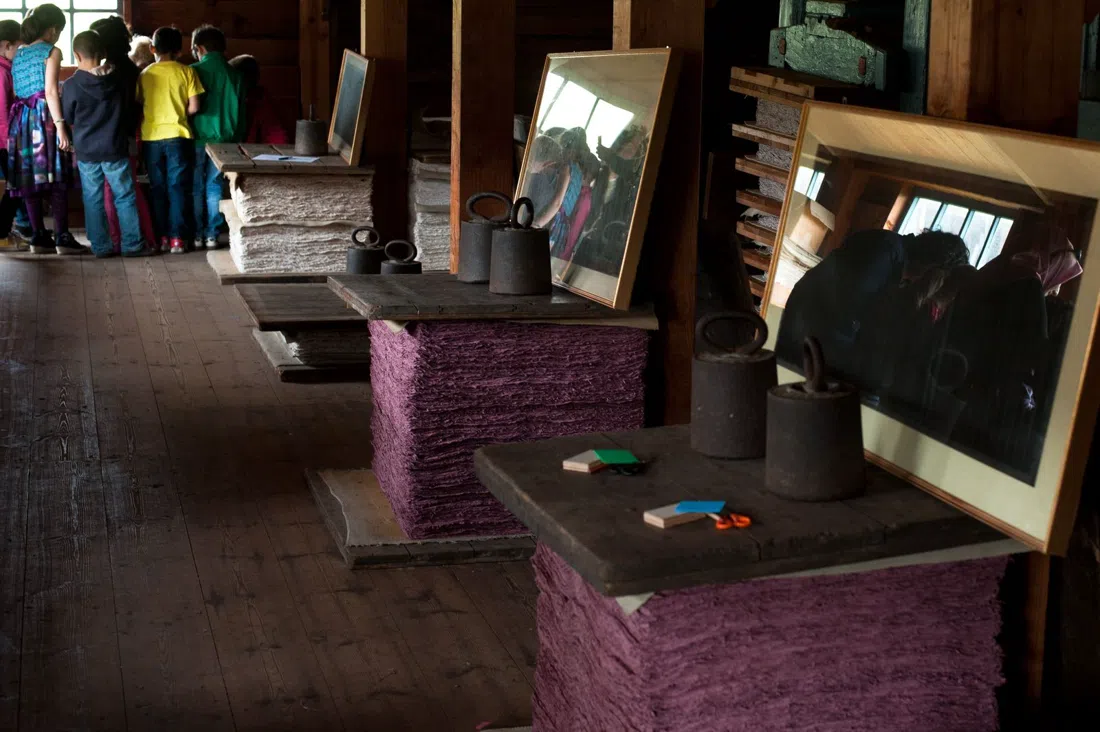
Papiermolen De Schoolmeester (a polder village about 25 minutes north of the city, reached by train and a local bus) is the last wind-powered paper mill in the world, still producing Zaansch Bord from cotton rag. It is the literal origin of the material everything else here is written on, and the sound of it working explains more about early printing than any label. Entry is a small single-digit sum in euros, sold only at the mill's cash desk, so bring coins and do not expect a card reader. Group visits, guided tours and filming are arranged by phone or email, and a group must be booked in advance. Weekdays are roughly 10:00-16:00, other times by arrangement, but ring first: the mill runs on wind and volunteers, and neither is on a timetable.
Planning a paper day in Amsterdam
Mondays are thin, with the Stadsarchief, the Embassy of the Free Mind, Kok and Posthumus all shut. Fridays are strong for markets and weak for archives, because the Spui market is Friday-only while the social-history institute closes Friday to Sunday. Sundays lose Cuypers Library, Oudemanhuispoort, both antiquarian shops and Posthumus. The cleanest plan is a Tuesday to Thursday core for the archives and reading rooms, with a Friday morning at Spui bolted on.
Everything in the centre is walkable and mostly flat: Stadsarchief, Allard Pierson, Kok, Brinkman, Posthumus, Oudemanhuispoort and Spui sit inside a twenty-minute radius of each other. Trams cover Vijzelstraat and Museum Square, the metro drops you at Rokin, the Noord ferries behind Centraal are free and run constantly, and only the social-history institute and the paper mill need real travel time.
Budget honestly. A full day of archives (Stadsarchief, IHLIA, the social-history institute, the Allard Pierson reading room, market browsing) costs nothing but transport. Add the ticketed places and it climbs fast: Allard Pierson €15.50, Embassy of the Free Mind €15, Rembrandthuis €23.50 (€19.50 after 16:00), Scheepvaartmuseum €20. A Museumkaart covers Allard Pierson and the Embassy outright. Carry some cash for the mill's cash desk and the market stalls; cards are fine almost everywhere else. Book Ets Haim by email, Cuypers workspaces two working days ahead, and any group visit ahead of time: the free rooms welcome you and the small ones need warning. For a base, put yourself in or near the old centre so the reading-room hours work in your favour; an Amsterdam hotel search will show what sits within walking distance of the archive.