Die Amsterdam-Ausgabe
Brick blocks and beer in Amsterdam's Spaarndammerbuurt
The brickwork is Amsterdam School, the courtyard behind the arch stays quiet, the IJ is a 10-minute walk, and the rooms on Spaarndammerstraat still belong to the people who live in them.

Von Robin HaasThe slow way through Amsterdam's canals, courtyards and back streets
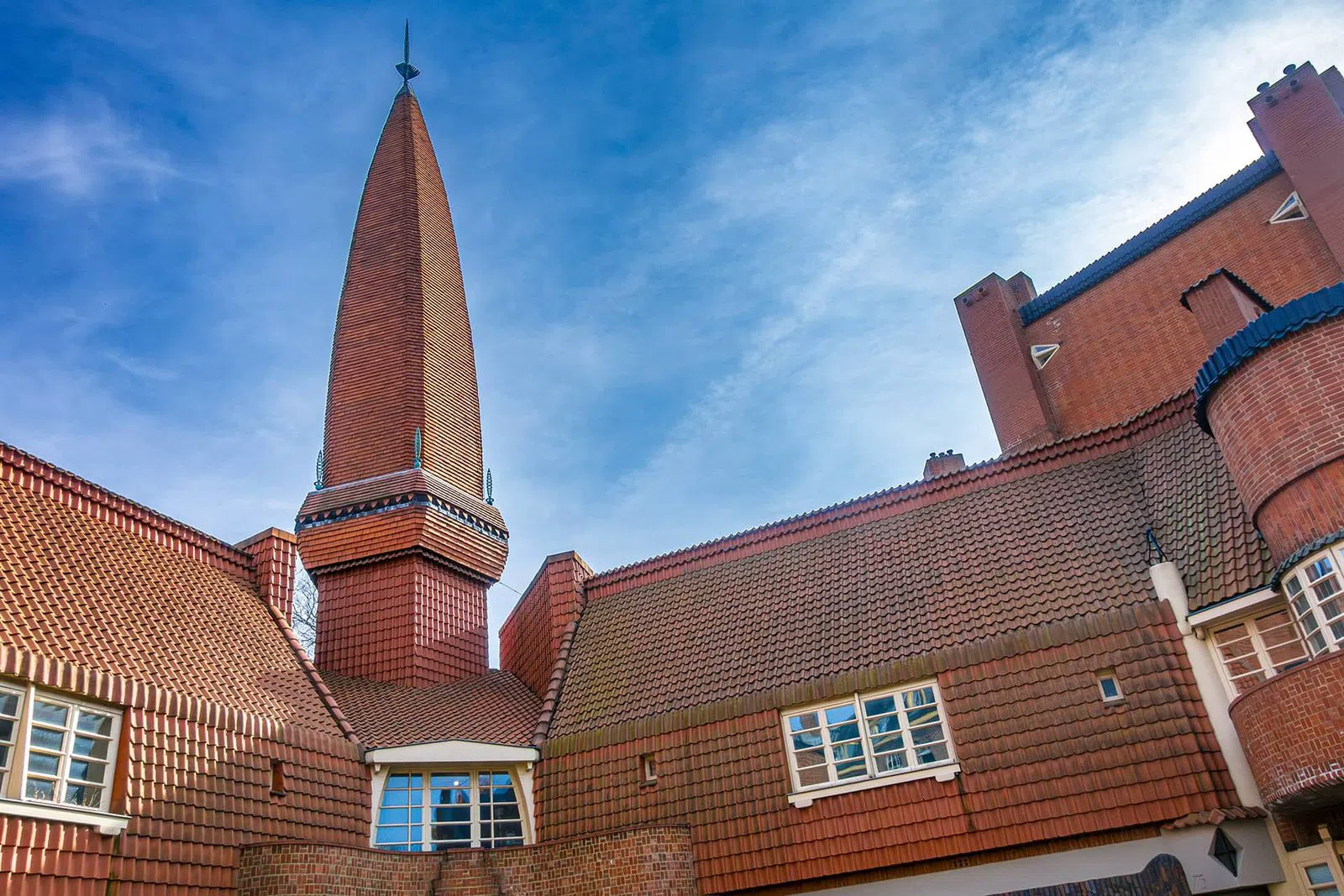
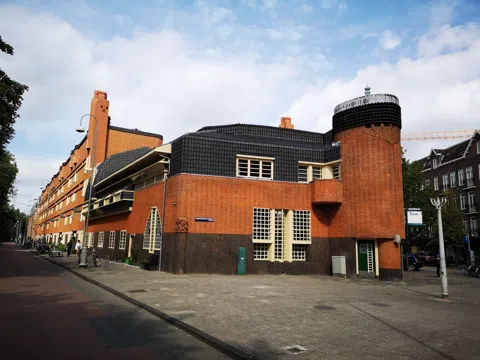
Museum Het Schip opens Tuesday to Sunday, 11:00 to 17:00, and the 15:00 guided tour is the one in English. The museum fills Michel de Klerk's 1920 block at Oostzaanstraat 45, where the old post office is rounded like a ship's prow beneath a tall spire-like tower. Fifty metres up the same street, a corner coffee bar pours until 16:00.
Museum Het Schip on Oostzaanstraat
Museum Het Schip (Oostzaanstraat 45) is the birthplace museum of the Amsterdam School, housed in the movement's most famous building. The red-orange brick waves along the facade and the window arches curve into parabolas. One flat inside has been restored to the 1920s and laid out as a workers' home, furnished with plain Amsterdam School pieces.
Groups of fewer than eight join whichever hourly guided tour comes next, and parties of eight or more book by email in advance. Adult entry is €17.50, and a Museumkaart or an I amsterdam City Card covers it. Ages 13 to 18 pay €10. Ages 5 to 12 pay €5. Any day but Monday works.
Planen Sie Ihre Reise nach Amsterdam
Aktuelle Preise unserer Buchungspartner.
Kostenlose Stornierung bei vielen Zimmern. Bei einer Buchung erhalten wir möglicherweise eine Provision.
The earlier blocks at Spaarndammerplantsoen
Het Schip is the building most visitors cross town for. The two blocks facing Spaarndammerplantsoen came earlier, and they are where De Klerk worked the style out. Stand on the narrow strip of green and you can read the whole evolution in one view.

The First Block of 1913 to 1915 is dark purple-red brick, its porch roofs arched into parabolas, and it is known as the purple block. The Second Block opposite went up in 1915 to 1916 in yellow brick. Both rise four storeys, and both carry sculpted brick detailing. The streets and the garden strip are public and free, with nothing to book. If you want the brickwork narrated, Museum Het Schip runs guided neighbourhood walks.
Zaanhof's courtyard
Zaanhof, directly behind Het Schip, is Herman Walenkamp's courtyard of 1916 to 1919, and you reach it only through narrow brick arched gateways. Walk through the arch and the street noise drops off. Two-storey houses with brightly painted wooden window frames in Arts-and-Crafts colours face lawns and hedges, with a stone war memorial at the centre.
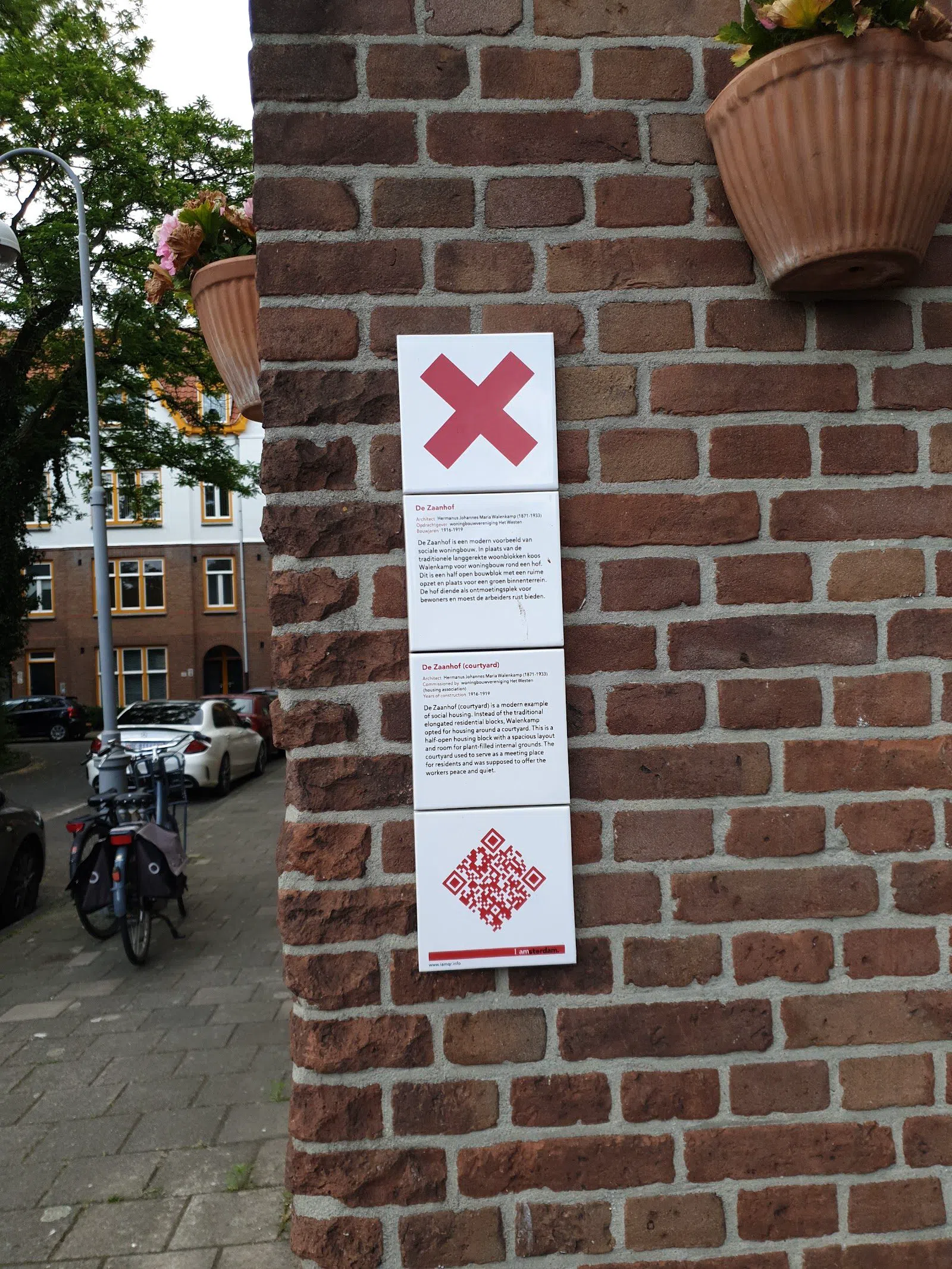
There is no gate and no ticket. People live here, so keep it quiet.
The red square at Zaandammerplein
Zaandammerplein (Het Rode Plein) carries its nickname from 1 May, when communist tenants hung red flags from nearly every window. K.P.C. de Bazel's housing of 1918 to 1923 encloses the square, flat-fronted and repetitive, with careful solutions at the corners. It is far plainer than De Klerk's work two streets away, and it belongs to the same push that built 3,500 dwellings for workers here. The square is public and free.
The old dyke and Houthavenpark
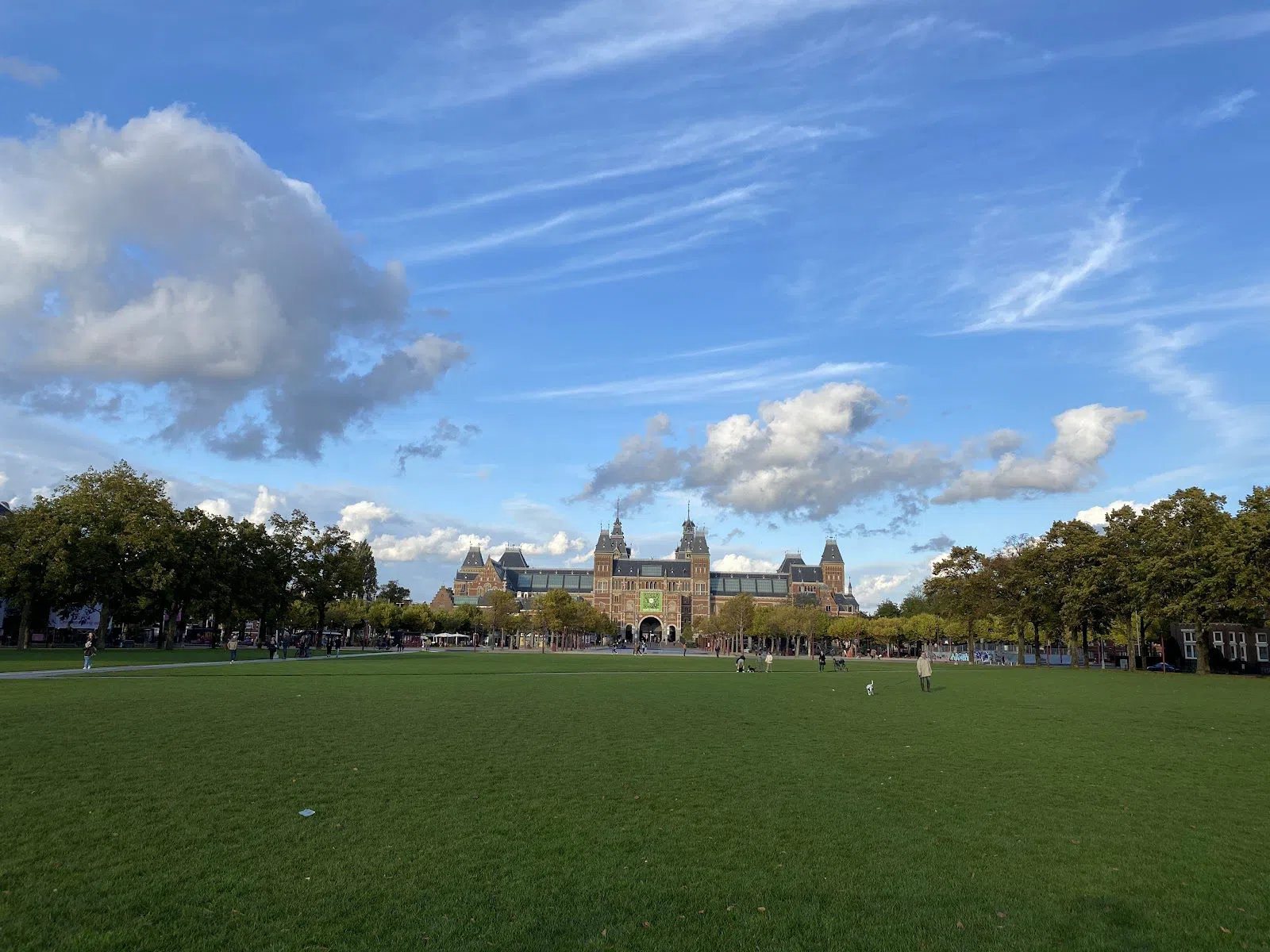
The dyke that gave the neighbourhood its name is medieval. Spaarndammerdijk, the 13th-century dyke road, still runs through the district, and Houthavenpark starts where it does, a long grassy strip laid on the roof of the Spaarndammertunnel. Walking it takes you from the brick blocks out to the IJ waterfront in 10 minutes.
The 80-metre Pontsteiger block straddles the water ahead like a gateway, with harbour cranes beyond it. The park and the dyke path are open public ground, and free.
Westerpark across the Haarlemmerweg
Westerpark begins immediately south of Spaarndammerbuurt, across the Haarlemmerweg, and it makes an easy second half to the architecture walk. Willows line the canal water and wooden footbridges cross it. The lawns are wide, a shallow paddling pool runs in summer, and the red-brick gasworks chimneys and sheds stand at the far end. The park is free to enter. Amplified music or a commercial picnic needs a permit.
The Westergas halls and the Gashouder
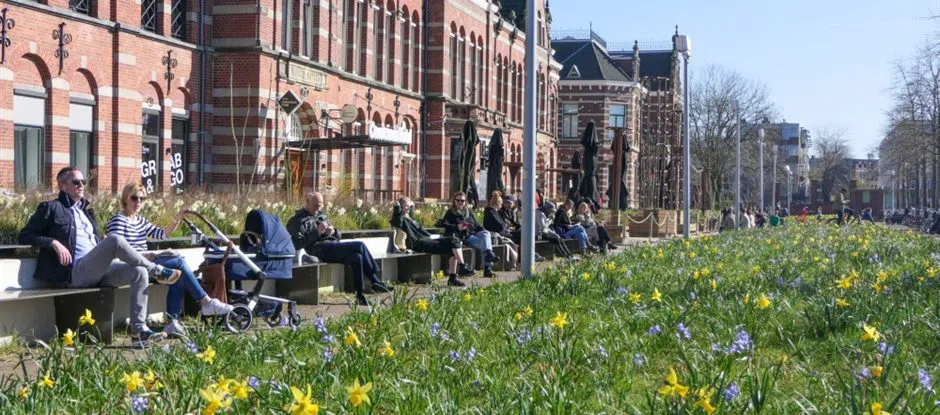
Westergas (Westergasfabriek) sits five minutes' walk from Het Schip, a 19th-century gasworks of listed red-brick halls on cobbled lanes. The vast circular Gashouder, the last surviving gas holder, takes the big techno nights and Fashion Week. Terraces, a cinema and food halls spill out between the buildings. The first Sunday of the month brings the NeighbourFood market.
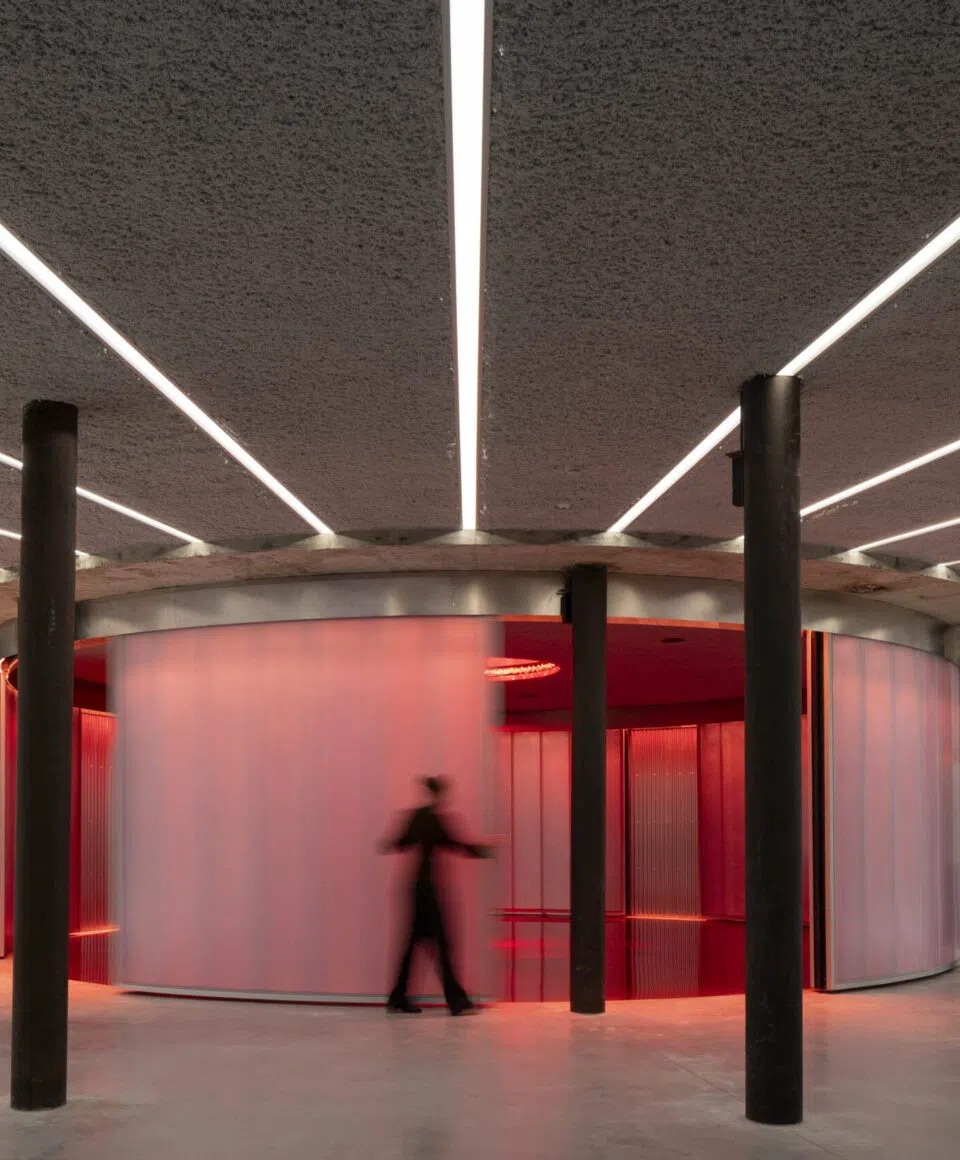
Wandering the site costs nothing, and the bars, cafés and cinema are €€. The cinema, clubs and restaurants each take their own bookings, and whole buildings here can be rented for an event.
Beer at Brouwerij Troost Westergas
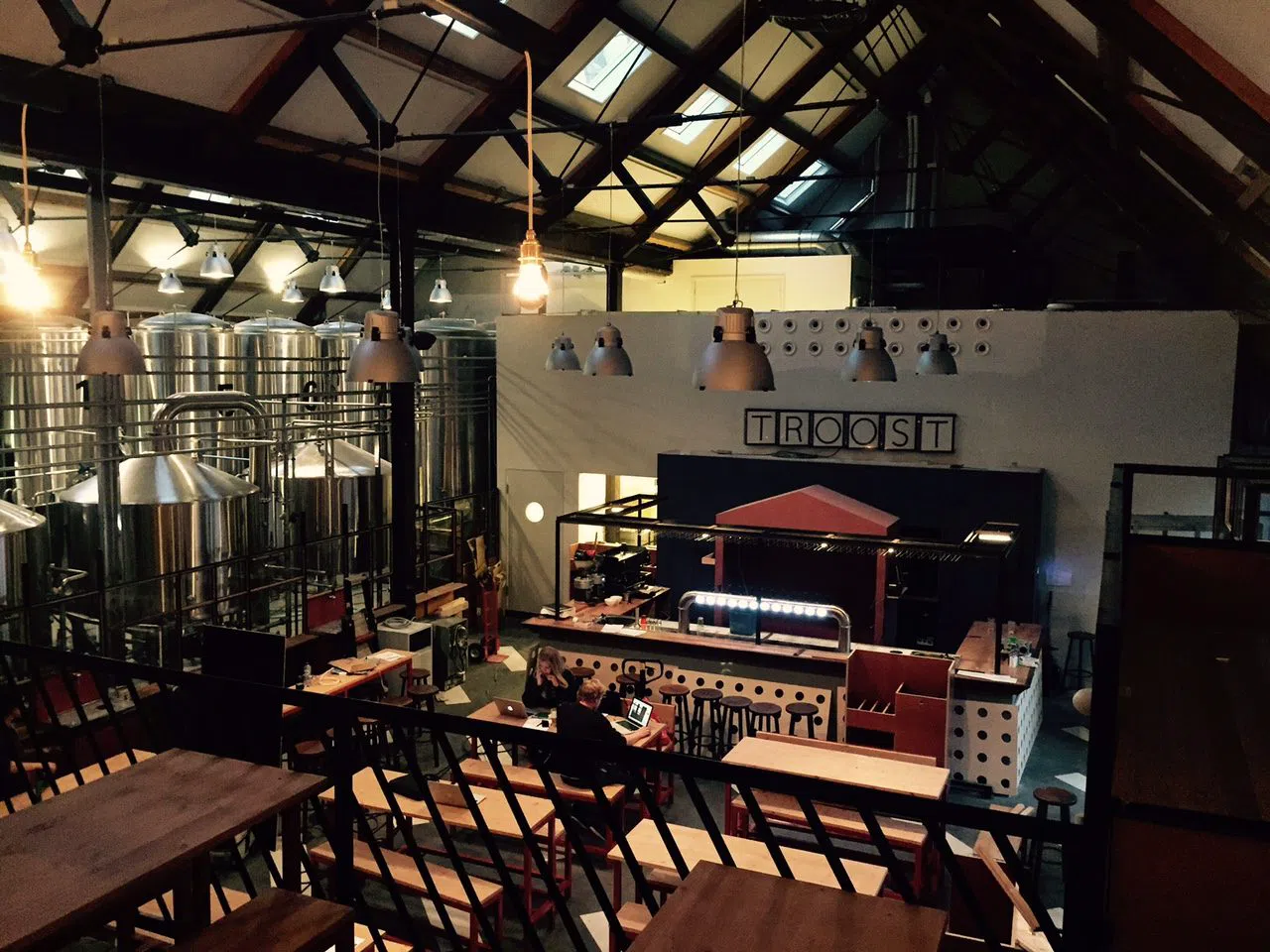
Brouwerij Troost Westergas (Pazzanistraat 25 to 27) brews in a brick gasworks hall on the edge of the site. Tall steel tanks stand lit behind the bar, and the terrace outside is laid with long wooden benches on the cobbles. Beers are €6. Mains run €15 to €20. The doors open at 16:00 and stay open to 03:00 on Fridays, and Monday is closed. Brewery tours cost €10 and run on Saturdays.
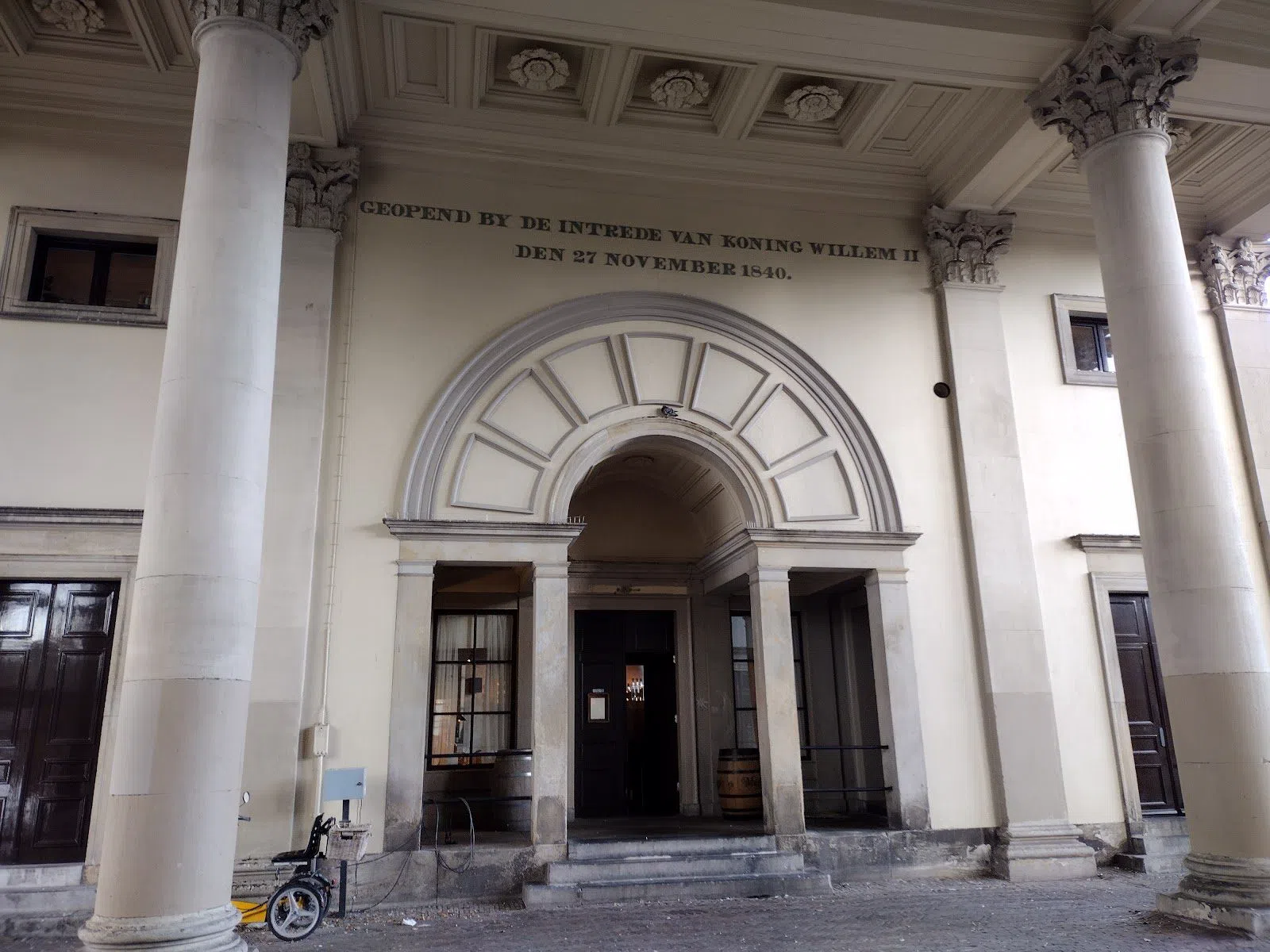
Haarlemmerpoort at Haarlemmerplein
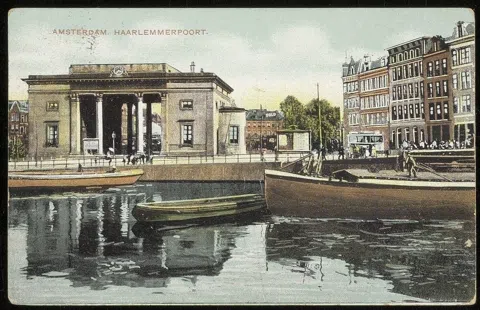
Haarlemmerpoort (Haarlemmerplein), also called the Willemspoort, is a 10-minute walk east along Westerpark. The 1840 neoclassical gate straddles the road on tall Corinthian columns under a pedimented centre, with trams passing either side. It was converted to flats in 1986 and the flats are still private, so the exterior is all you will see.
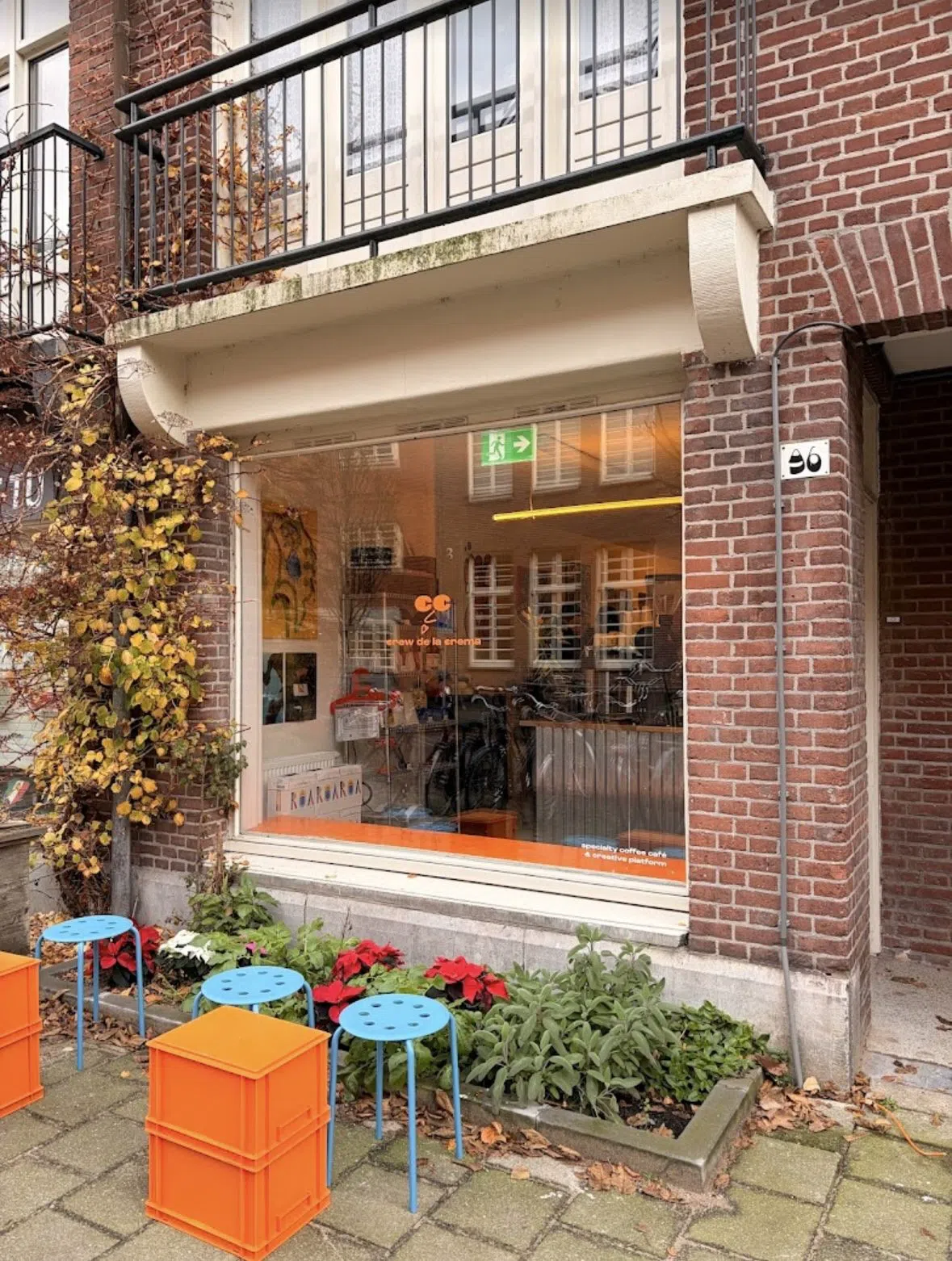
Coffee on Oostzaanstraat
Crew de la Crema (Oostzaanstraat 96) stands 50 metres from the museum door on the same street. Pastries sit under glass, they pour matcha alongside the espresso, and local artwork hangs on the walls. The pavement terrace catches the sun. Drinks are €3 to €6. The room is tiny. Hours are 08:30 to 16:00 Wednesday to Saturday and 09:00 to 16:00 on Sunday, and it is closed Monday and Tuesday.
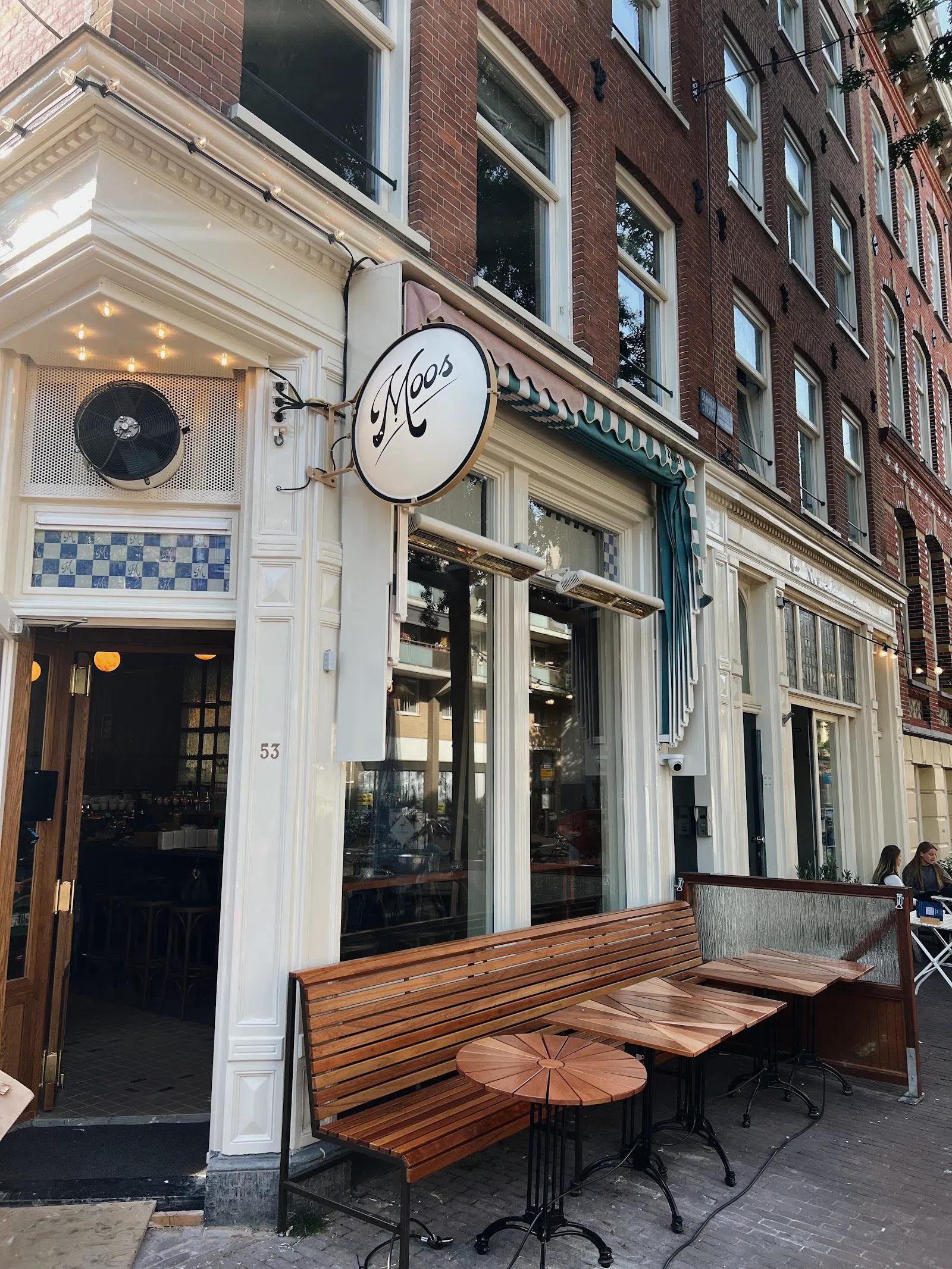
Eating and drinking on Spaarndammerstraat
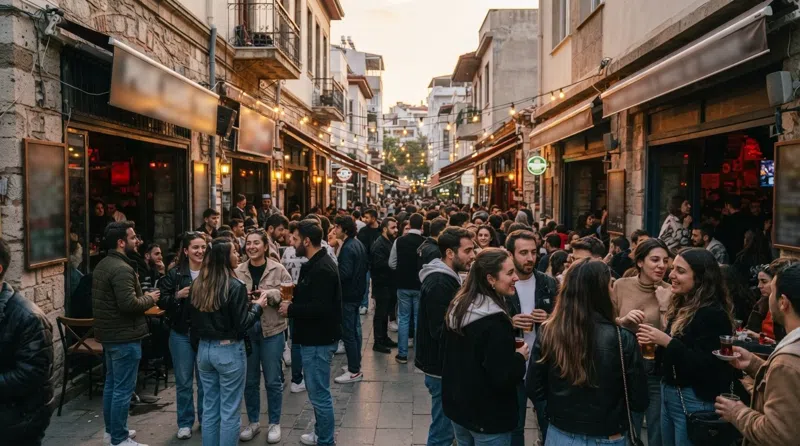
Moos (Spaarndammerstraat 53) opens at 10:00 every day and runs to 03:00 on Friday and Saturday, so it covers breakfast and the last drink. The corner building is fitted out as an homage to the classic Amsterdam brown bar, dark wood and a long bar under warm lamps, with tables out on the pavement. Prices sit at €€. Business lunch packages start from five people with a day's notice.
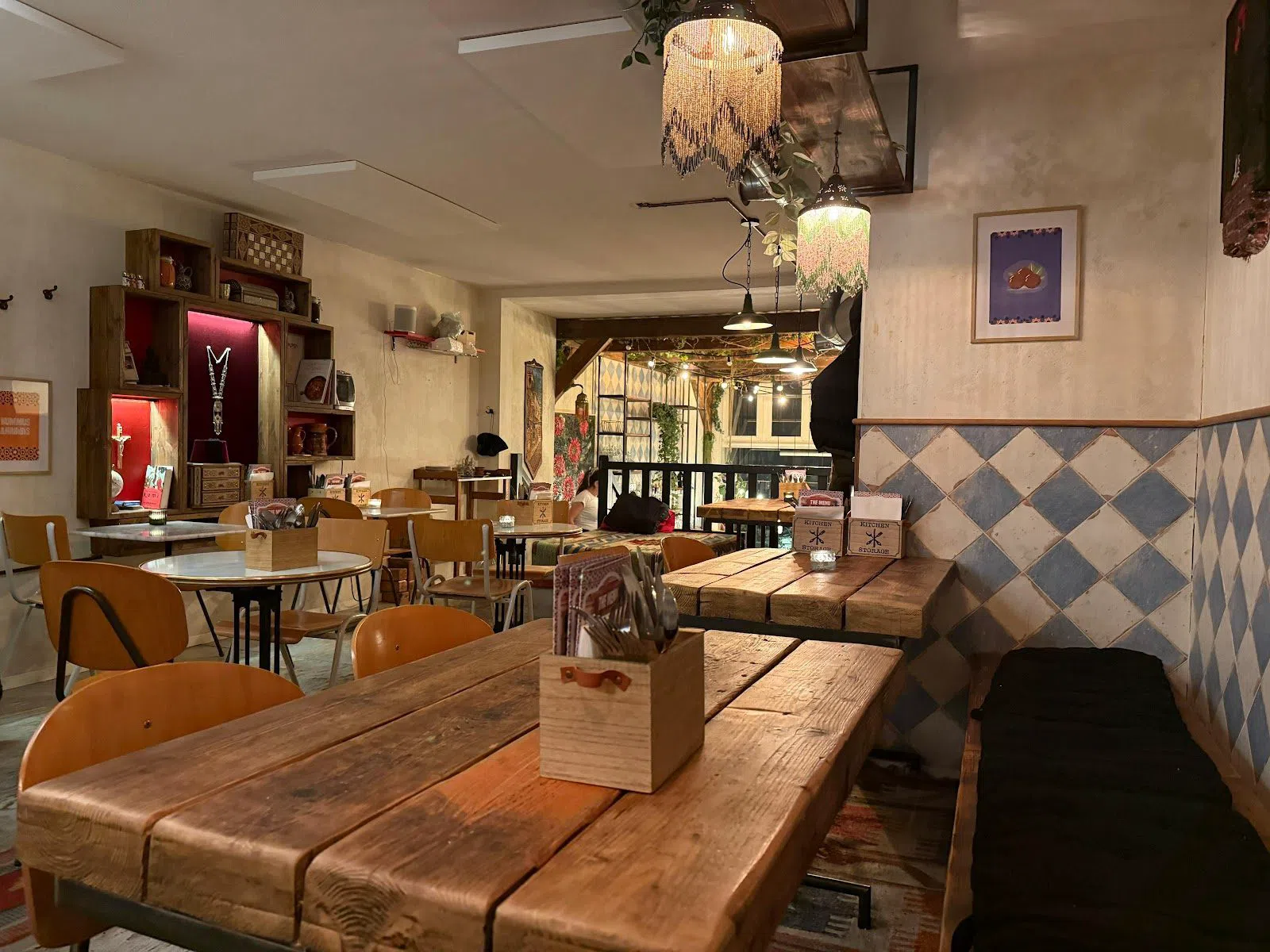
Hummus & Habibis (Spaarndammerstraat 49) opened in April 2025, in the unit the wine bar Compartir used to hold. Bader Dabbagh arrived as a Syrian refugee in 2015 and sold hummus by bike through lockdown before taking this room with a team of fellow refugees. Bowls arrive swirled with olive oil, za'atar and pine nuts, flatbread comes straight off the pass, and the Syrian family who cook it work the counter. Mezze dishes are €7 to €13. The tables are set for sharing, and you can book private dining or catering by calling ahead.
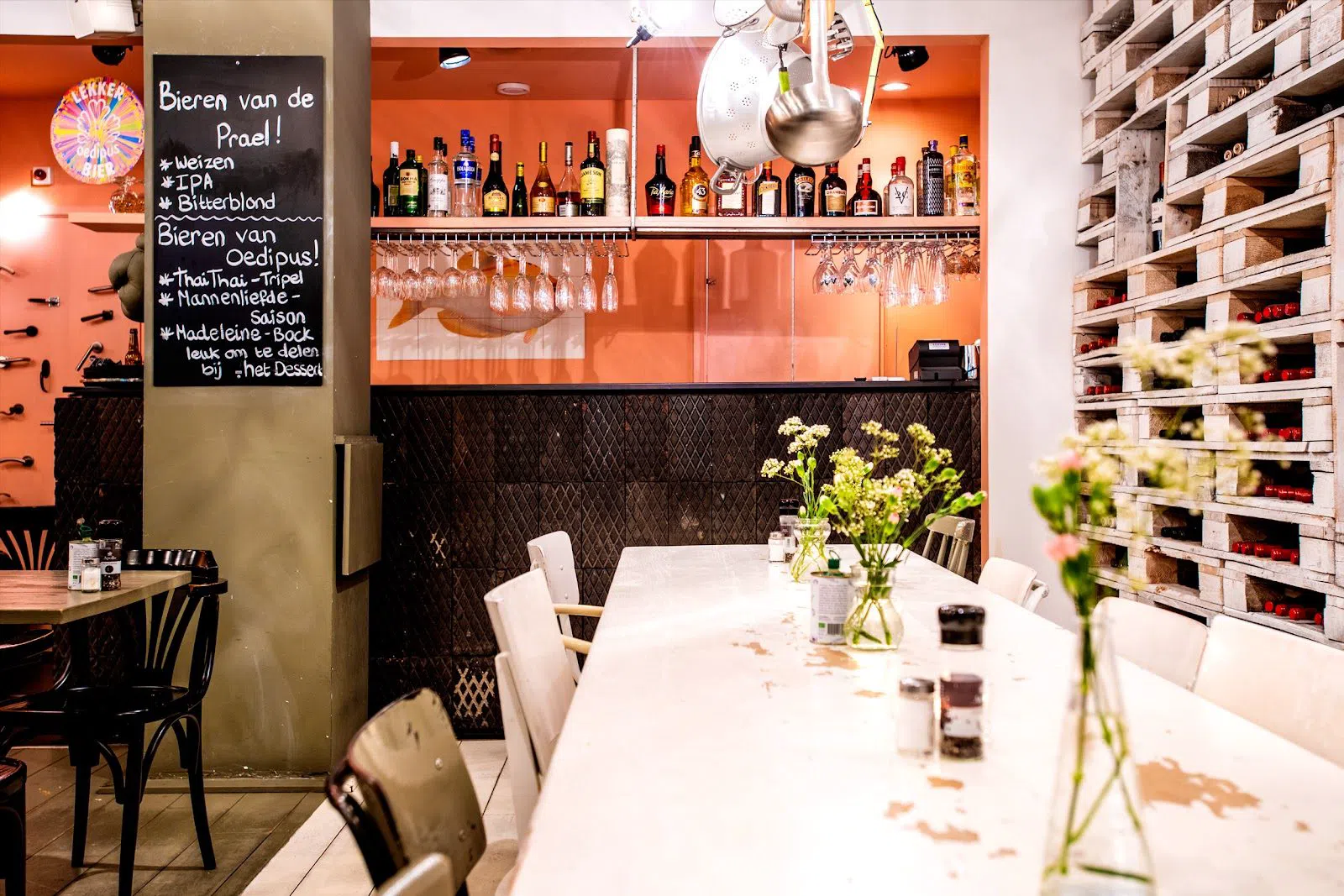
Restaurant Freud (Spaarndammerstraat 424) is a training restaurant staffed by people recovering from psychiatric illness, and it has been running since the 1990s. The dining room is plain-fronted and quiet, lit low, with closely set tables and a small front terrace. The kitchen sends out Mediterranean plates with Middle Eastern accents. Service is Tuesday to Sunday, 17:30 to 23:00, and business lunches run on weekdays. Expect €€.
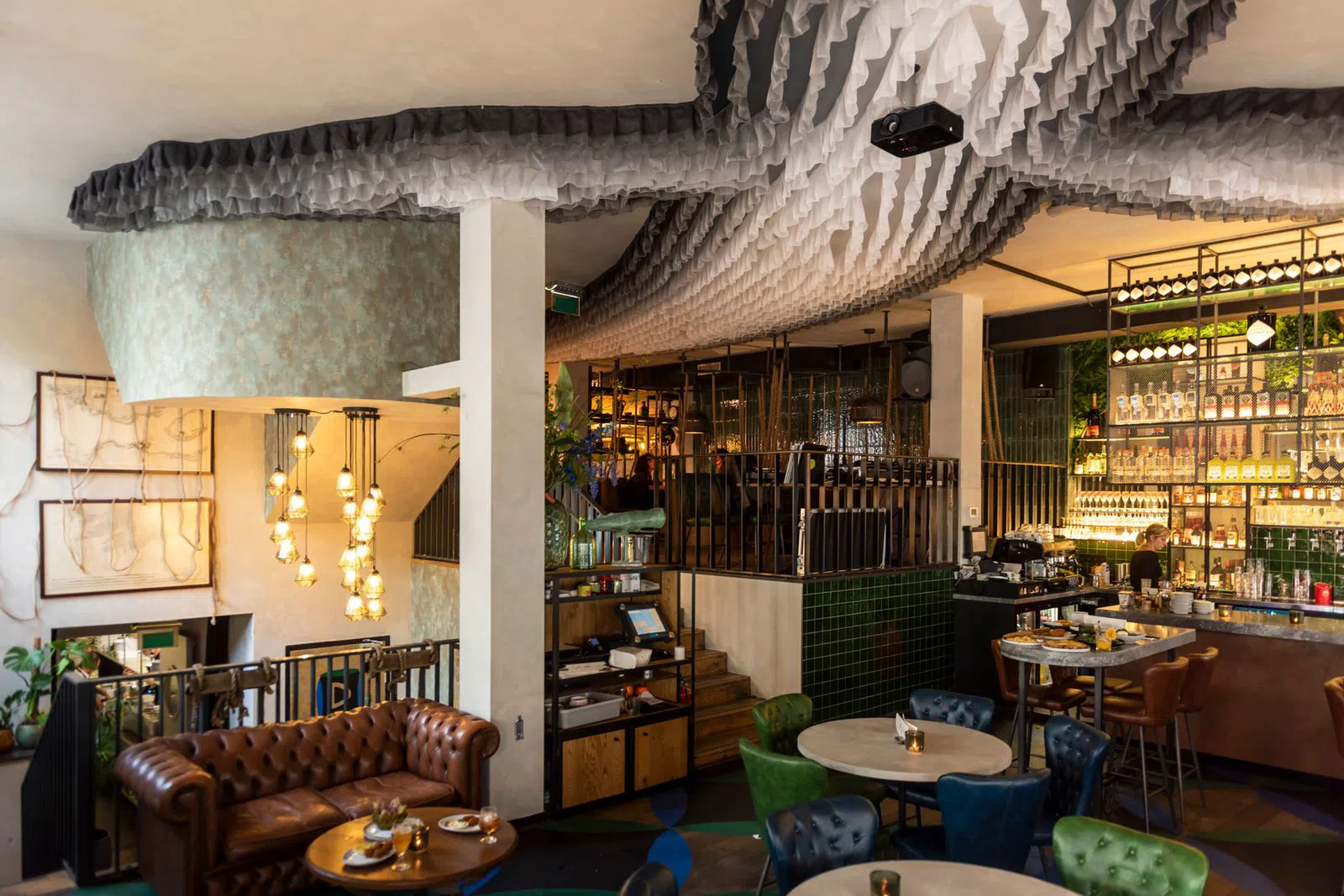
Café de Walvis (Spaarndammerstraat 516) trades on the corner under a whale sign, with the bar on the ground floor, a dining room on the first and a street terrace used year-round with blankets and heaters. It opens daily from noon, early enough for coffee and late enough for a last drink. The burger of the week is €12.50. The pub quiz falls on the second Tuesday of the month and costs €5 a team. For a party this is the room, taking 10 to 150 people, with the upstairs floor seating 50 for a served dinner.
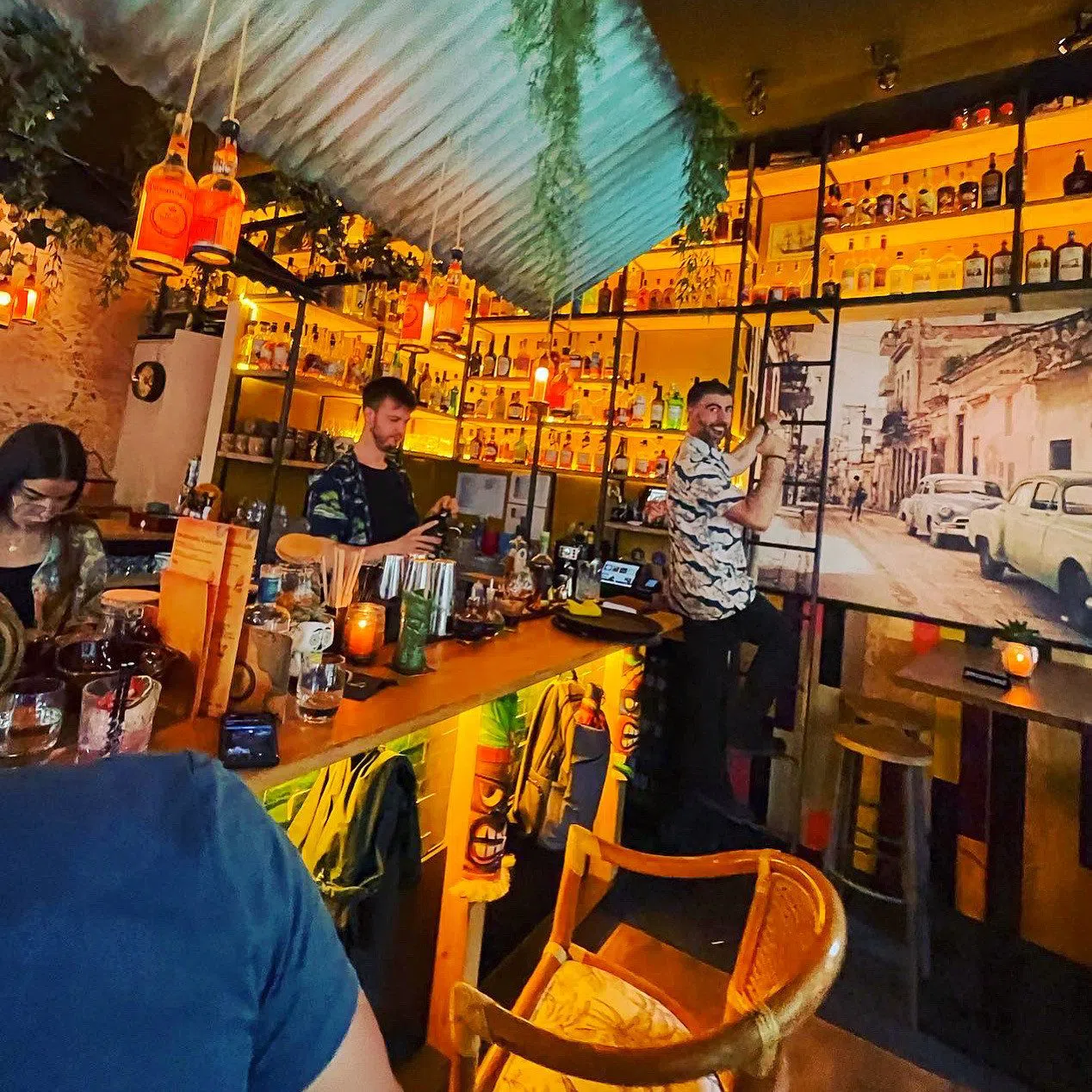
Rum Barrel West (Spaarndammerstraat 17H) has more than 300 rum bottles across backlit shelves behind the bartender. Caribbean cocktails come in heavy glassware, with small tapas plates alongside. Cocktails are €12 to €15. Hours are 18:00 to 01:00 Wednesday and Thursday, 17:00 to 03:00 Friday and Saturday, and until 01:00 on Sunday, with Monday and Tuesday closed. The room is small, and both tables and rum tastings need booking ahead.
Where to stay
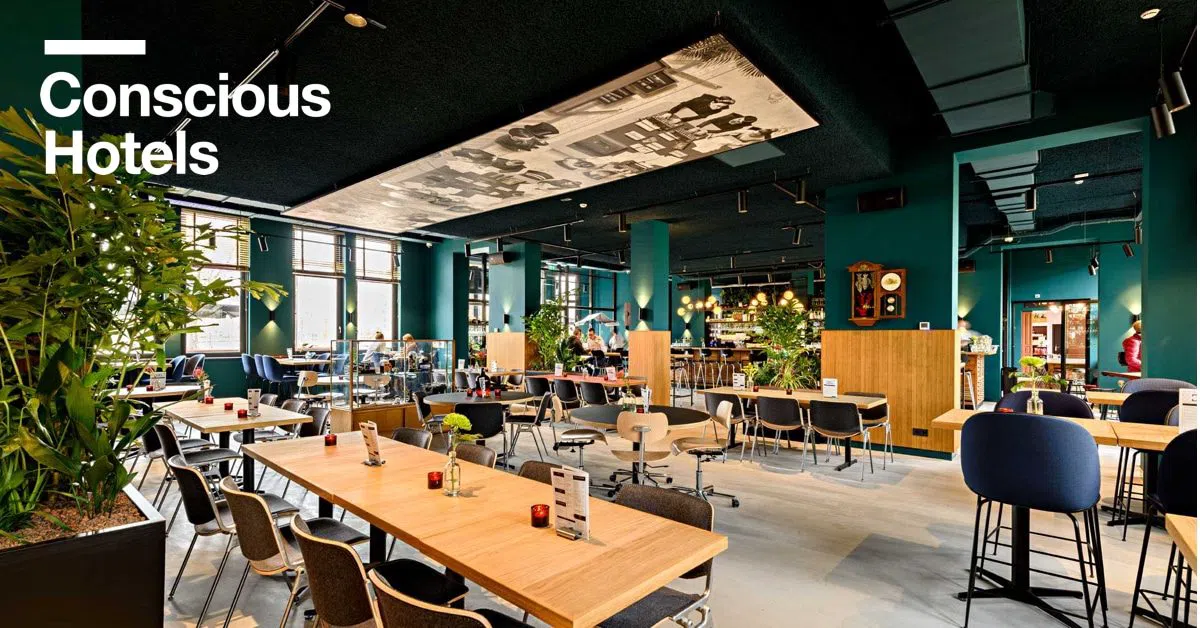
Conscious Hotel Westerpark occupies the monumental former Westergasfabriek administration building standing in the park, an ornate brick and stone facade with a plant-filled lobby and rental bikes racked outside. Five minutes on foot brings you to Het Schip, and the same to the Gashouder. The 89 rooms share a bar and a restaurant on site, and the building is fully electric. Doubles run €130 to €200. The hotel is cashless and takes cards only.
Closed days and what to book
Monday closes Museum Het Schip, Restaurant Freud and Brouwerij Troost Westergas, and Crew de la Crema and Rum Barrel West stay shut into Tuesday. Book Rum Barrel West before you walk over.
See the Amsterdam guide and the Amsterdam hotel search.
Vor der Reise
When is Museum Het Schip open, and which tour is in English?
The museum opens Tuesday to Sunday, 11:00 to 17:00, so avoid a Monday. Tours run hourly and the 15:00 one is in English.
What does Museum Het Schip cost?
Adult entry is €17.50, ages 13 to 18 pay €10 and ages 5 to 12 pay €5. A Museumkaart or an I amsterdam City Card gets you in free.
Can you walk into Zaanhof?
Yes. You walk in through narrow brick arched gateways, and there is no gate and no ticket. People live around the courtyard, so keep your voice down while you look at the painted window frames and the war memorial.
How do you get from the brick blocks to the IJ waterfront?
Houthavenpark is a grassy strip on the roof of the Spaarndammertunnel. Follow it from the old dyke road down to the water, 10 minutes on foot, and the 80-metre Pontsteiger block stands ahead of you.
Where can a large group eat in Spaarndammerbuurt?
Café de Walvis at Spaarndammerstraat 516 takes 10 to 150 people, and its upstairs floor seats 50 for a served dinner. It opens daily from noon.