The Amsterdam issue
Building an Amsterdam Night Around Erykah Badu at Carré
Erykah Badu brings her improvised IMEHO set to Koninklijk Theater Carré on 13 October 2026. Here is the seat to buy, the table across the river, and where the music carries on once the theatre empties.
By Robin HaasThe slow way through Amsterdam's canals, courtyards and back streets
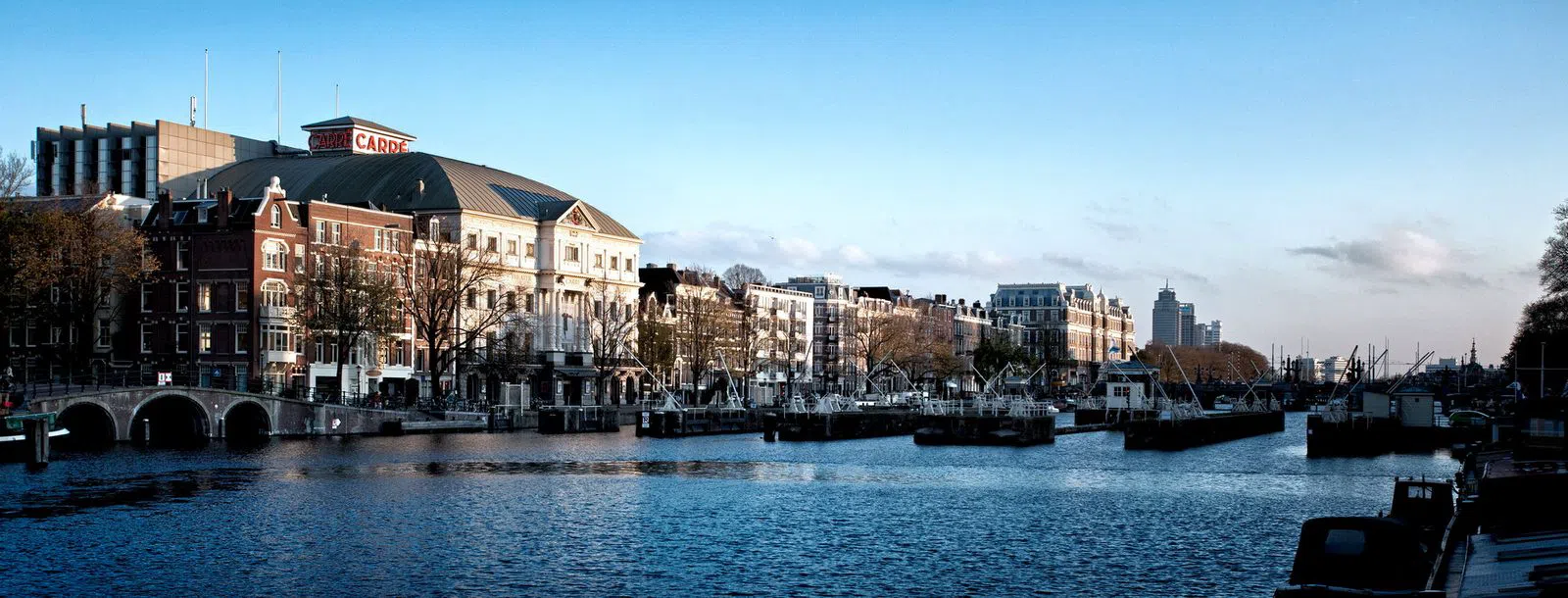
Koninklijk Theater Carré (Weesperbuurt, on the east bank of the Amstel) was built as a circus in 1887 and has never entirely stopped being one. It is a round room with a shallow stage at the bottom of it and tiers that climb almost vertically overhead. On 13 October 2026 Erykah Badu plays it with her IMEHO set: voice, piano and percussion, improvised, nothing to hide behind. That falls on a Tuesday, doors for a 20:00 start, and both facts shape the rest of the evening more than a concert date usually does. A show built on three instruments finishes early, and Tuesday happens to be the night half the city's working musicians play for free.
The room on the Amstel and which seat to buy
Tickets run €45–€110. The spread is mostly about height rather than quality, because Carré's geometry rings the stage instead of facing it: the cheaper seats in the upper tiers look almost straight down at the piano rather than squinting at it from the back of a shoebox. What you lose up there is legroom and the climb, since the tiers are steep and the stairs are narrow. What you save is roughly sixty euros a head. For a set of voice, piano and percussion I would take the second tier over the front stalls. It is far enough back that the room's own reverberation does its work, and close enough that you can hear the sustain pedal.
Buy early, and buy in one transaction if there are more than two of you. Carré is fully seated and ticketed, which makes a group easy to handle in a way a standing room never is, but seats sell in blocks and a party that books in dribs ends up scattered across three levels. If you are twenty or more, the theatre also runs guided tours of the building on request, from €160 excluding VAT, arranged on +31 20 524 9406. It is a reasonable daytime add-on: the backstage machinery of a 19th-century circus house is more interesting than most theatre tours, and it fills an afternoon that would otherwise go on shops.
Doors are for a 20:00 start. Get there by about 19:15 if you want the cloakroom without standing in it, because the foyer is handsome and not large. One caveat: an improvised set has no published running time. Do not build a 22:00 dinner reservation around it.
Plan your Amsterdam trip
Live prices from our booking partners.
Free cancellation on many rooms. We may earn a commission when you book.
Eating across the water before doors
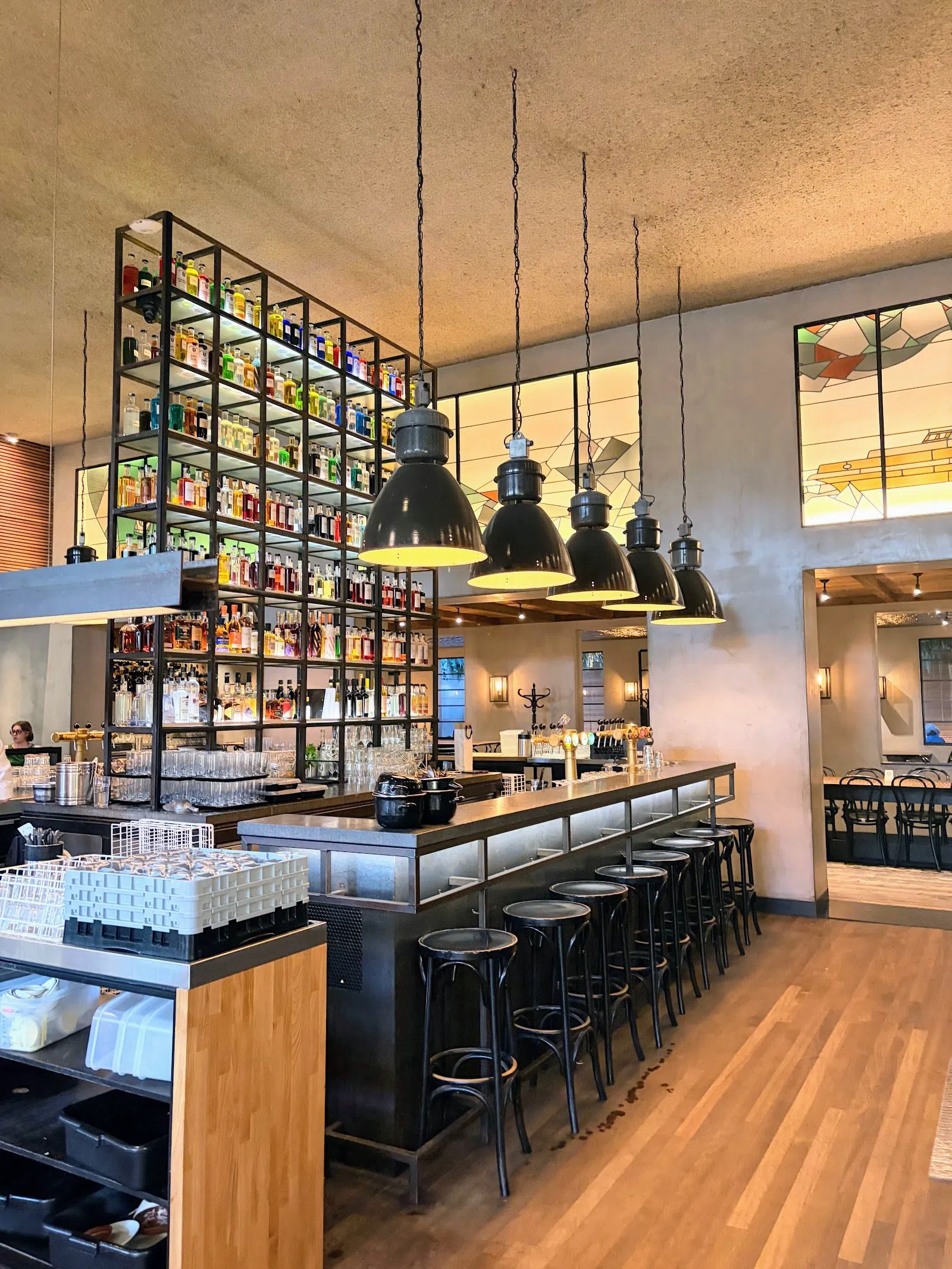
De Ysbreeker (Weesperzijde, Oost) sits directly across the Amstel from the theatre, about five minutes over the bridge, open daily 08:00 to midnight. Mains are roughly €20–€28; a terrace seat with a beer and something small costs far less. It takes group reservations and private events, and you should use that, because on a concert night it fills with exactly the people you will be queueing beside an hour later. It also solves the other end of the evening. A set that ends around 22:15 leaves you comfortably inside their hours, and the terrace faces the lit facade of the theatre across the water, which is a better debrief than a taxi.
The Tuesday jam that starts as Carré empties
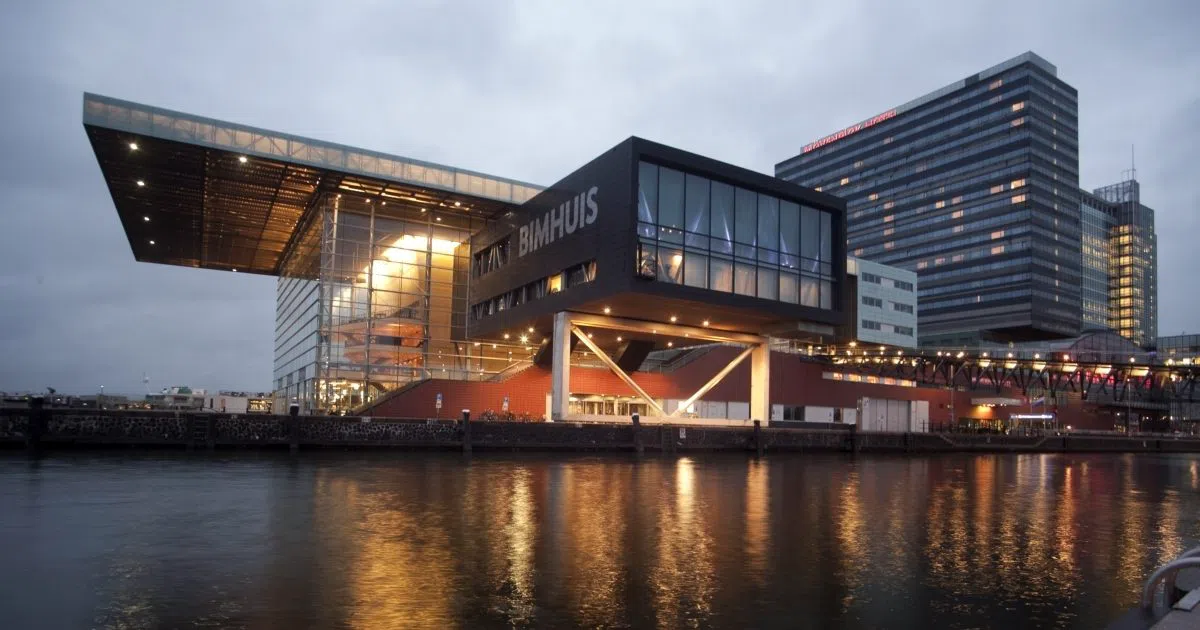
BIMHUIS (Piet Heinkade, on the IJ east of Centraal) has been the country's most serious jazz room since 1974, and it suits this particular night: the same improvising, neo-soul-adjacent crowd, in a room built for listening. Ticketed concerts are €15–€30 and small groups are fine with advance tickets. The Tuesday jam sessions are free and walk-in, and the standing café area absorbs a party of six or eight without anyone needing a seat.
Be realistic about the clock. From Carré it is the metro from Weesperplein to Centraal, then tram 26 one stop to the Muziekgebouw Bimhuis stop, twenty minutes door to door, which puts you in the room well after the jam has settled into itself. You are catching the back half, not the start. That is still the best free hour of music available in the city that night.
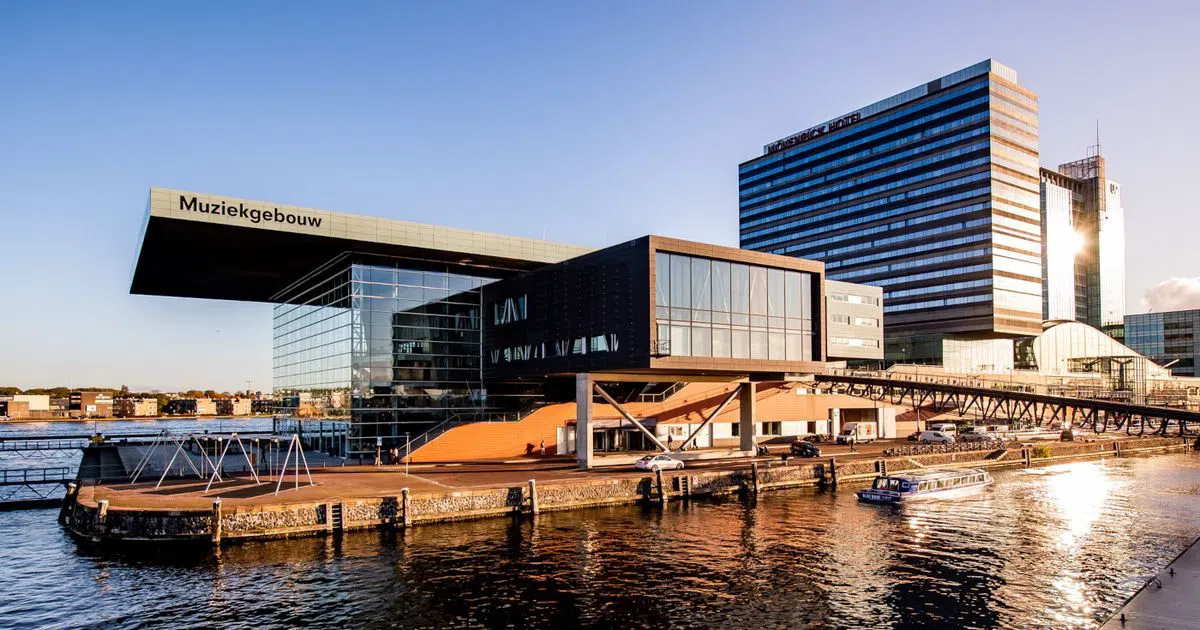
Muziekgebouw aan 't IJ (Piet Heinkade, the same building complex) shares the address and shares nothing else. It is seated, programmes around 300 concerts a year across contemporary, classical, global and electronic, and runs €20–€45 for most of them. There is a dedicated group-booking route and the Dudok café-brasserie downstairs for feeding a party first. The two venues are often co-programmed, so check both listings before you assume the night is empty.
Leidseplein at eleven
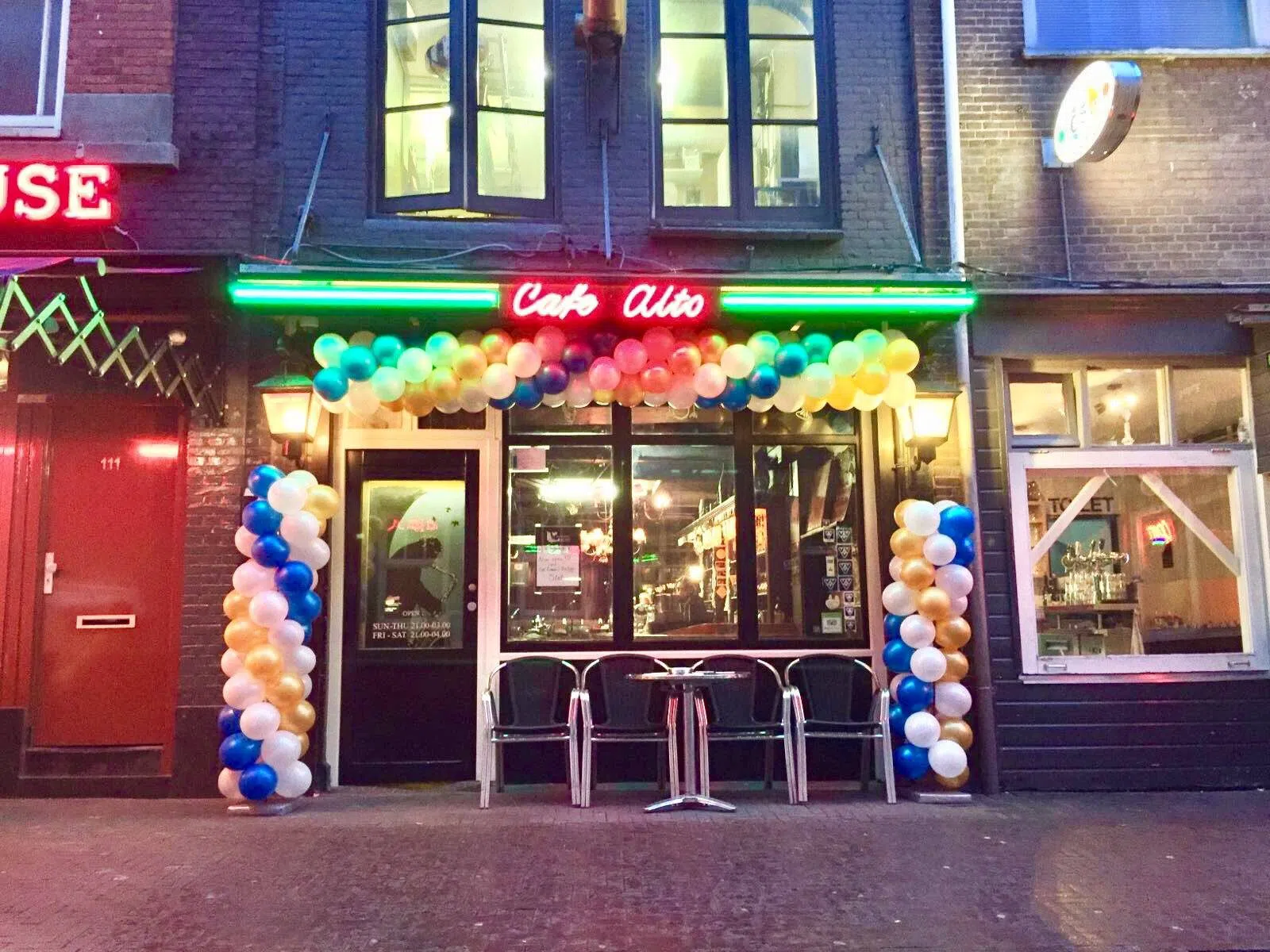
Jazz Café Alto (Korte Leidsedwarsstraat, Leidseplein) has had live jazz every single night since 1953, music from 21:30 to 01:30 and later at weekends, no cover and no reservations for the room. It is one narrow bar. Four people can stand comfortably; more than four and someone is in the doorway, so send one of your party ahead around 22:00 to claim the corner while the rest walk over. Drinks are roughly €5–€9. This is the classic last stop when the theatre empties and nobody is ready to stop listening.
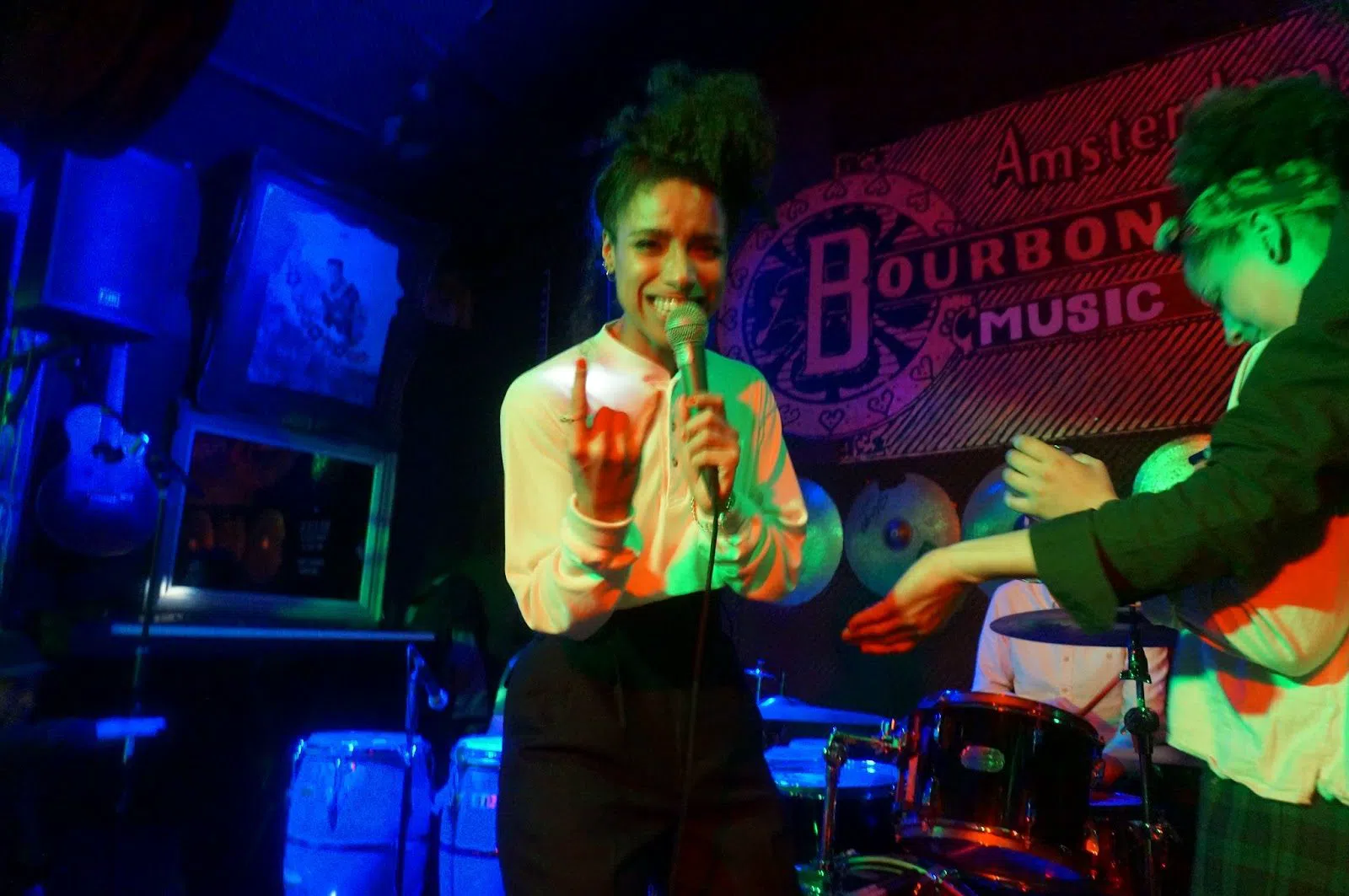
Bourbon Street Jazz & Blues Club (Leidsekruisstraat, Leidseplein) is around the corner and starts later: bands seven nights a week from 23:00 to 03:00, free to around €10 depending on who is on, drinks at bar prices. It has been going since 1990 and the bill is as much funk, soul and singer-songwriters as blues. The Monday and Tuesday jams are when the city's actual players turn up, which means 13 October is one of the good nights rather than a filler one. Standing-room, no table service, an international crowd of all ages; groups are welcome but nobody is holding a spot for you.
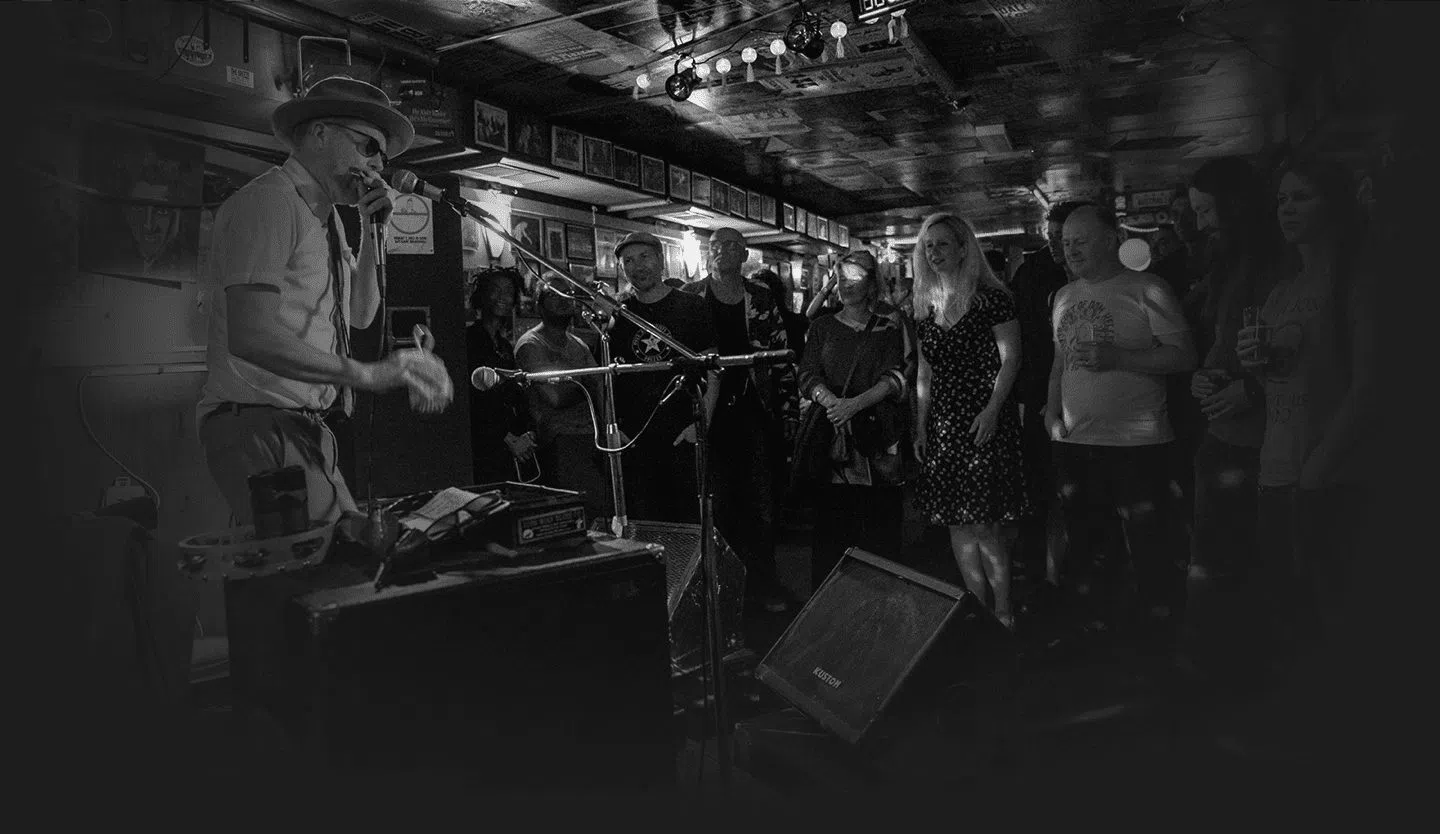
Maloe Melo (Lijnbaansgracht, Jordaan) is the city's oldest blues and rock café, free entry, no door policy worth the name, drinks cheap by local standards. Music runs from 21:00 Wednesday to Saturday with weekly jams, and it is closed Sunday, Monday and Tuesday, which catches people out constantly. On the night of the Carré show it will be dark. Save it for later in the trip, and note that the back room is small: six is comfortable, twelve is a problem.
If you want a second ticketed show
Paradiso (Weteringschans, Leidseplein) has been the defining music room here since 1968, and its Super-Sonic Jazz strand regularly lands the soul, funk and Afro-diasporic bookings a Badu crowd actually wants. Tickets are €15–€45. The catch is the membership rule: every person needs one on top of the ticket, €4.50 monthly or €9.50 yearly, and buying six of them at the door while the support act plays is how groups lose the first half. Buy them online in advance for everyone. It is standing-room with no table booking, so arrive together and hold your ground.
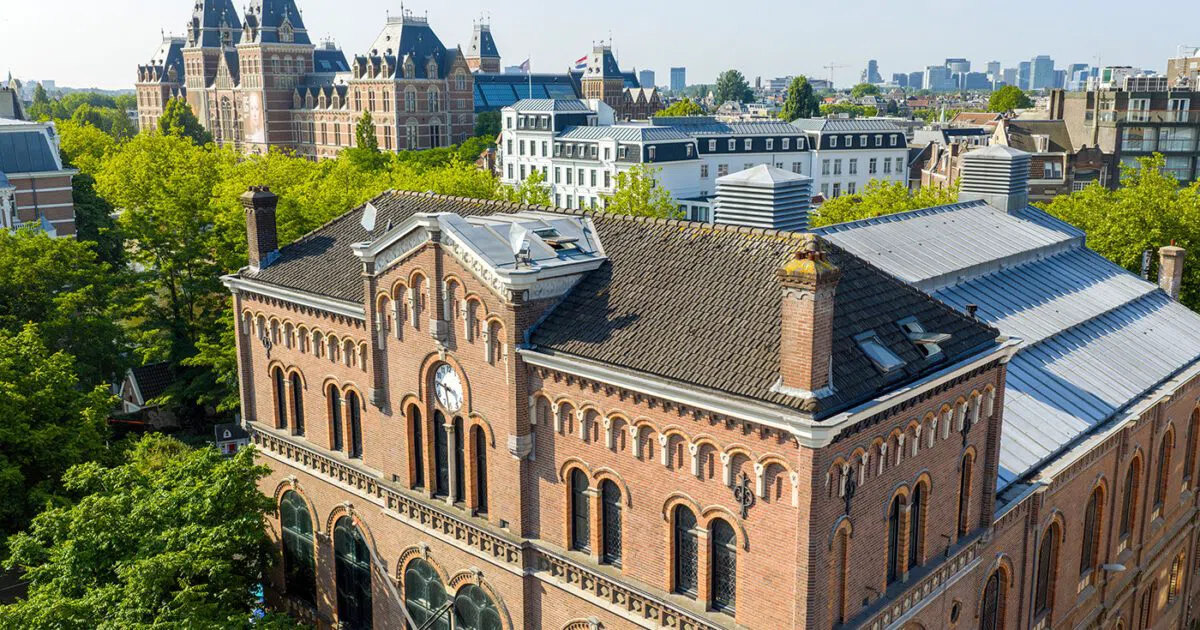
Melkweg (Lijnbaansgracht, Leidseplein) is two minutes' walk away and runs several halls at once, from the 1,250-capacity MAX down to the 650-cap OZ, which means a group can split by taste and regroup at the bar. Shows are €15–€40, plus €4.50 monthly or €25 annual membership per head, plus a 15% presale service fee that nobody remembers to budget for. Club nights are 18+. It is the reliable fallback when the night you wanted next door is sold out.

Q-Factory (Atlantisplein, Oost) is ten minutes east of Carré and the easiest of these for a larger group: a roomy modern venue with proper bars, a cloakroom and a standing floor, programming pop, rock and touring international acts at €15–€35. It is attached to what is billed as Europe's largest music-making centre, and it rarely sells out the way the centre-city rooms do, which is useful if you are deciding late.

Small rooms and the hours after midnight
Bitterzoet (Spuistraat, near Centraal) is the small-room counterweight to the big two: hip-hop, R&B, amapiano, Afro-house and Latin pop on a stage you can reach out and touch, €8–€39 depending on the night, cheap enough to gamble on a name you don't know. Doors on club nights can be as late as 23:30 and those nights are 18+. It is compact and fills fast, so four to six people with tickets bought ahead, not a walk-up crowd of ten.

Doka (Wibautstraat, Oost) is the after-hours answer, eight minutes' walk from the theatre: a basement club running DJ-led nights and live sets until 6am, €10–€20 in advance and roughly €2–€4 more on the door. The bar is card only, no cash at all. It is small and means to be, so bring a handful of people rather than a party. It also sits under a hotel you can simply go upstairs and sleep in.
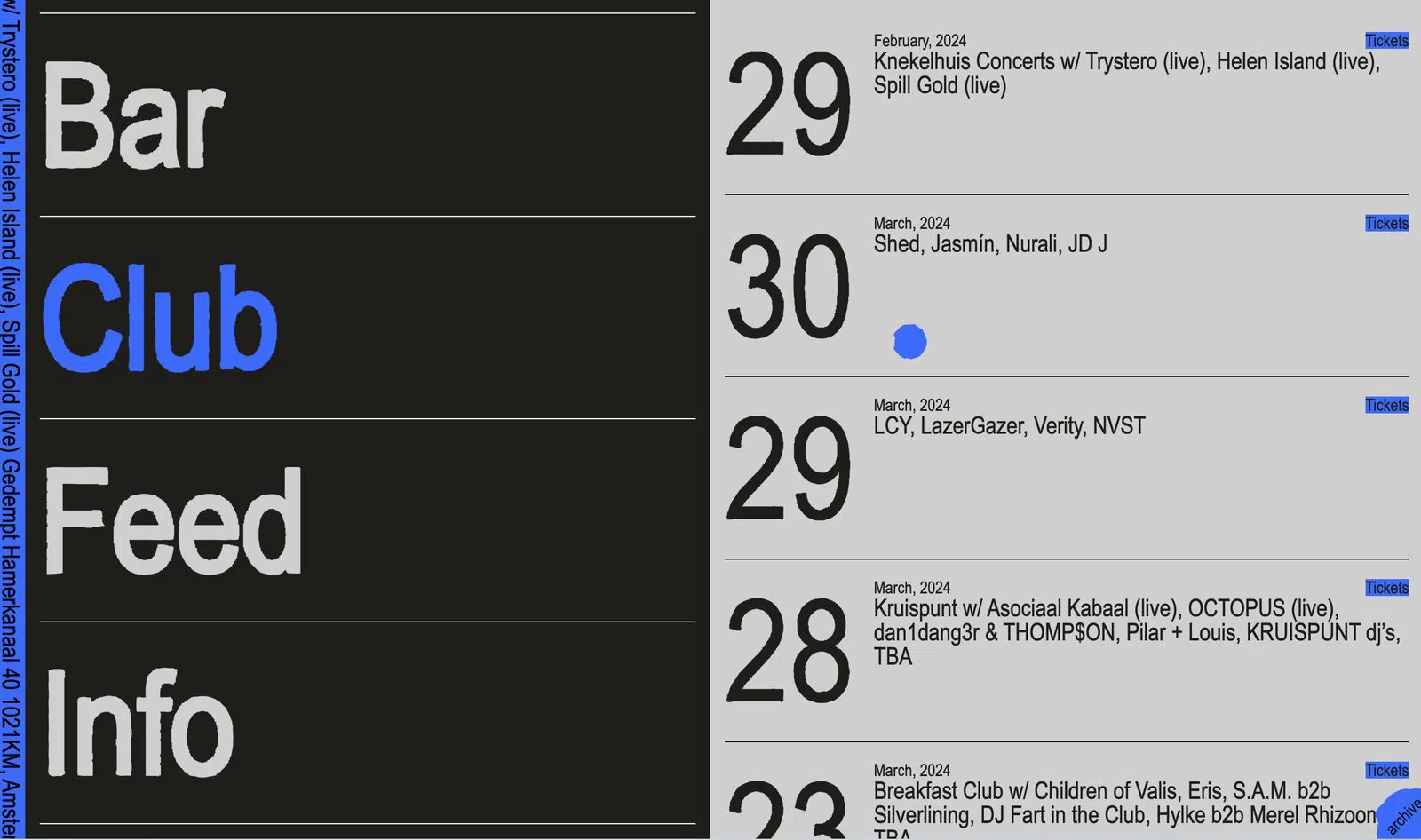
Garage Noord (Gedempt Hamerkanaal, Noord) has the most consistently interesting booking policy in the city at the moment (dub, leftfield electronics, label takeovers) at €10–€20. The attached restaurant means you can eat before the room fills, which is the civilised way to do it. The free ferry from behind Centraal runs around the clock and turns Noord into a ten-minute hop rather than an expedition. Groups are fine; arrive as one, not as a trickle at the door.
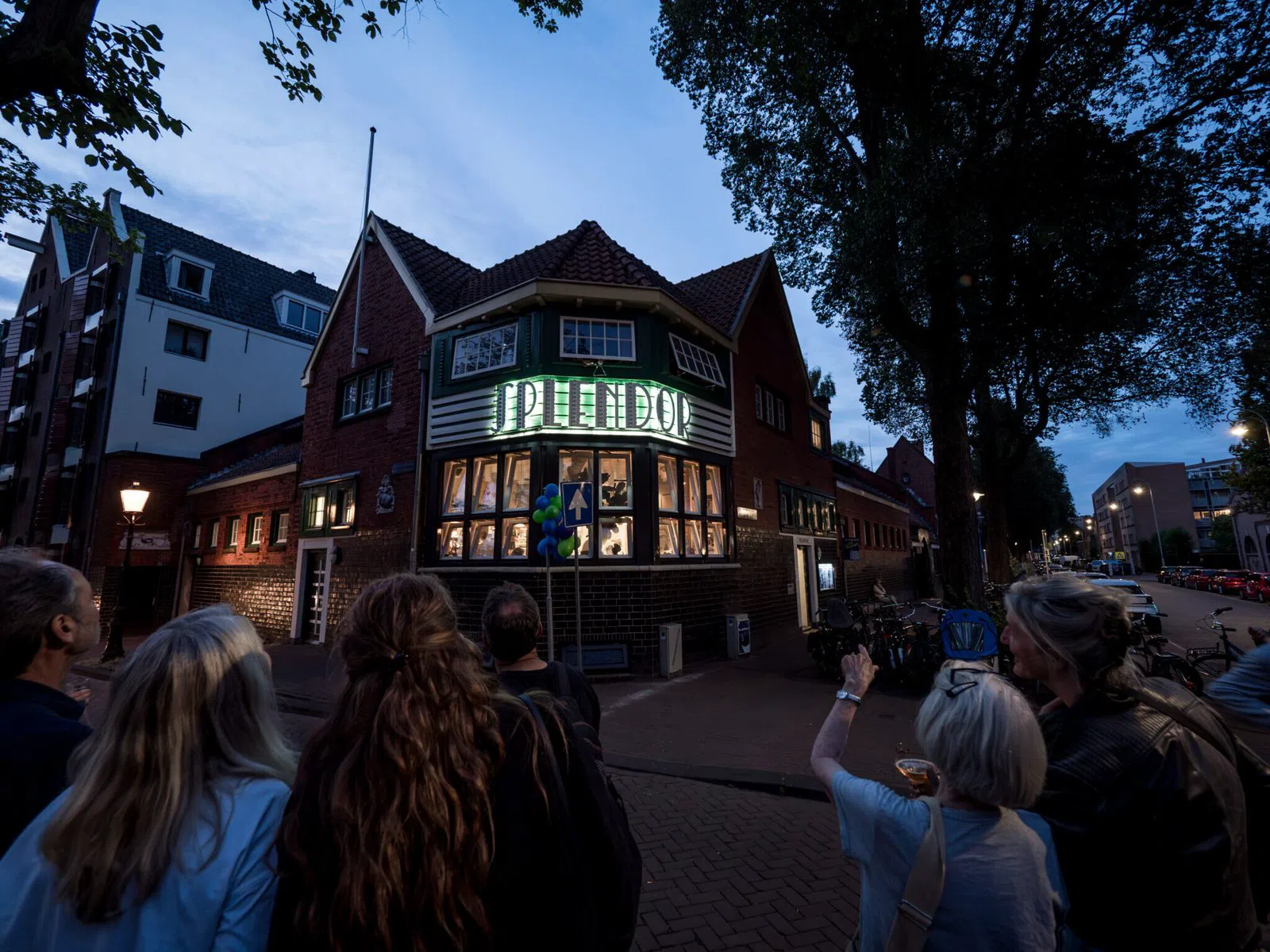
Splendor (Uilenburg, near Waterlooplein) is owned and run by the 54 musicians who play in it, twelve years in, and programmes everything from instrumental improvisation to world music and lectures. Doors are 45 minutes before an 8pm start, so it is a separate evening rather than a companion to Carré. Membership is €120 a year (€55 under 30) covering more than 100 concerts, with single tickets around €15–€20. The room is very small, workable for a few people and not for a big party, and it is the least touristic music space in the central city.
A seated Sunday to end on
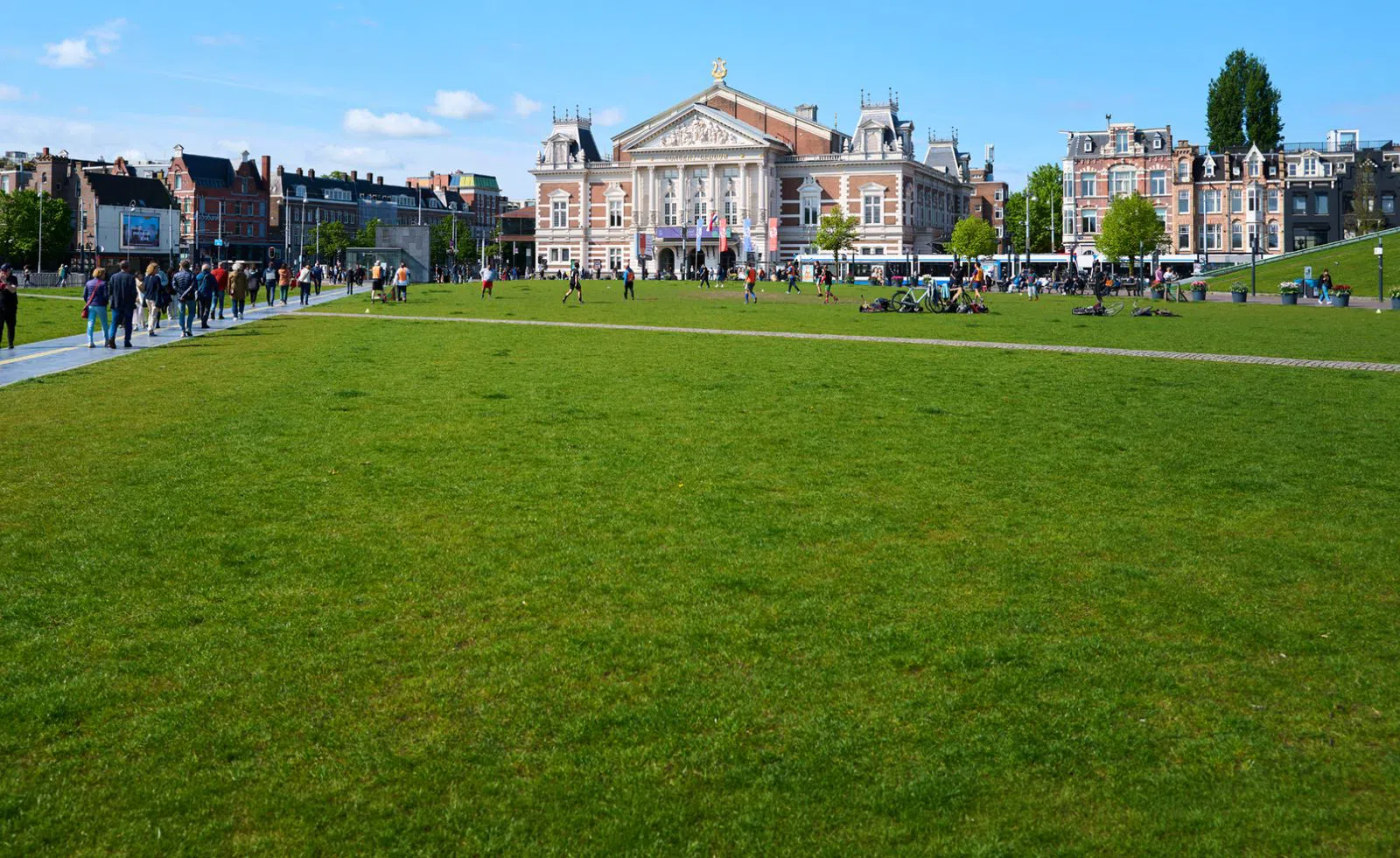
Het Concertgebouw (Concertgebouwplein, Oud-Zuid) is one of the three or four best-sounding rooms on earth, and the Sunday morning series is the low-effort way to hear it. Programmes run €25–€90 with the Sunday mornings at the cheaper end. It is fully seated, the box office handles group bookings properly, and Restaurant LIER and Café Viotta on site solve the pre-concert table. Go for the acoustic, not the occasion; nobody is checking what you are wearing.
For beds, staying in Oost around Wibautstraat or the Weesperbuurt puts you within walking distance of both the theatre and the late clubs. Start with an Amsterdam hotel search and filter east rather than defaulting to the canal ring. The rest of the trip, the museums and the day plans around it, sit in the wider Amsterdam guide.
Getting around, paying and what the night costs
Carré's stop is Weesperplein, three stops out from Centraal on the metro and then a five-minute walk along the water; trams run down Weesperstraat to the same square, and it is a ten-minute walk from Waterlooplein if you would rather see the river. Tap in and out with a contactless bank card or buy a GVB day ticket; the metro's last services are around 00:30, after which the night buses take over from Centraal, and the Noord ferries run all night for free.
This is a card country and increasingly a card-only one. Several bars and clubs, Doka explicitly, take no cash whatsoever, and a fair number of smaller places accept debit and contactless but not every foreign credit card. Carry a contactless debit card and treat cash as a backup, not a plan.
Timing, in order: book the Carré seats first and together; buy Paradiso or Melkweg memberships online before you travel if a second show is on the list; reserve De Ysbreeker for around 18:00 on the 13th; and remember Maloe Melo is shut on Tuesdays and Splendor's doors are too early to combine with the theatre.
A realistic budget for the night, per person: €45–€110 for the ticket, €25–€35 for dinner across the river, nothing for the BIMHUIS jam or the door at Alto, €15–€25 for late drinks, and about €10 for transport. Call it €100–€180 depending on how high in the tiers you sit and how long you stay out.
Before you go
When does Erykah Badu play Carré, and what time should I arrive?
She plays Koninklijk Theater Carré on 13 October 2026, a Tuesday, with doors for a 20:00 start. Arrive by around 19:15 to clear the cloakroom without queueing. The IMEHO set is voice, piano and percussion, improvised, so there is no published running time. Don't book a late dinner against it.
How much are tickets and which seats are worth it?
Tickets run €45 to €110. Carré's stage is ringed rather than faced, so the upper tiers look down at the piano rather than at the back of the room. The second tier is the value seat; the top tiers are steep with narrow stairs. Book a group in one transaction or you will end up split across levels.
Do I need a membership to get into Paradiso or Melkweg?
Yes, and every person needs their own on top of the ticket. Paradiso charges €4.50 monthly or €9.50 yearly; Melkweg charges €4.50 monthly or €25 annually, plus a 15% presale service fee on tickets. Buy them online before you travel. Sorting six memberships at the door is how groups miss the opening act.
Where can a group eat near Carré before the show?
De Ysbreeker is straight across the Amstel, five minutes over the bridge, open daily 08:00 to midnight with mains around €20 to €28. It takes group reservations and fills on concert nights, so book ahead, and it stays open late enough to come back to afterwards.
What is still playing after the theatre empties?
BIMHUIS runs a free walk-in jam every Tuesday, though you will arrive for the back half. Jazz Café Alto has music from 21:30 to 01:30 with no cover and no reservations, and Bourbon Street runs bands 23:00 to 03:00 with a Tuesday jam. Doka, eight minutes' walk from Carré, goes until 6am and is card-only. Maloe Melo is closed on Tuesdays.