The Amsterdam issue
Walking Amsterdam's Canals in October Between Museum Slots
The canal ring looks best in low October light and the big museums are finally manageable, but only if you book them weeks ahead.

By Robin HaasThe slow way through Amsterdam's canals, courtyards and back streets
In October the canal water goes flat and dark by mid-morning, the elms along the Herengracht start dropping leaves onto it, and the light stays low enough all day that the gables read properly from the far bank. It is the month when the big museums become manageable, not empty but manageable, if you take the first or last slot of the day. The catch is that almost nothing here sells at the door any more, so the walking is free-form and the museums are not.
What to book before the flights are confirmed
Three bookings decide the shape of an Amsterdam week, and all three are made online, weeks out, from wherever you are sitting now.
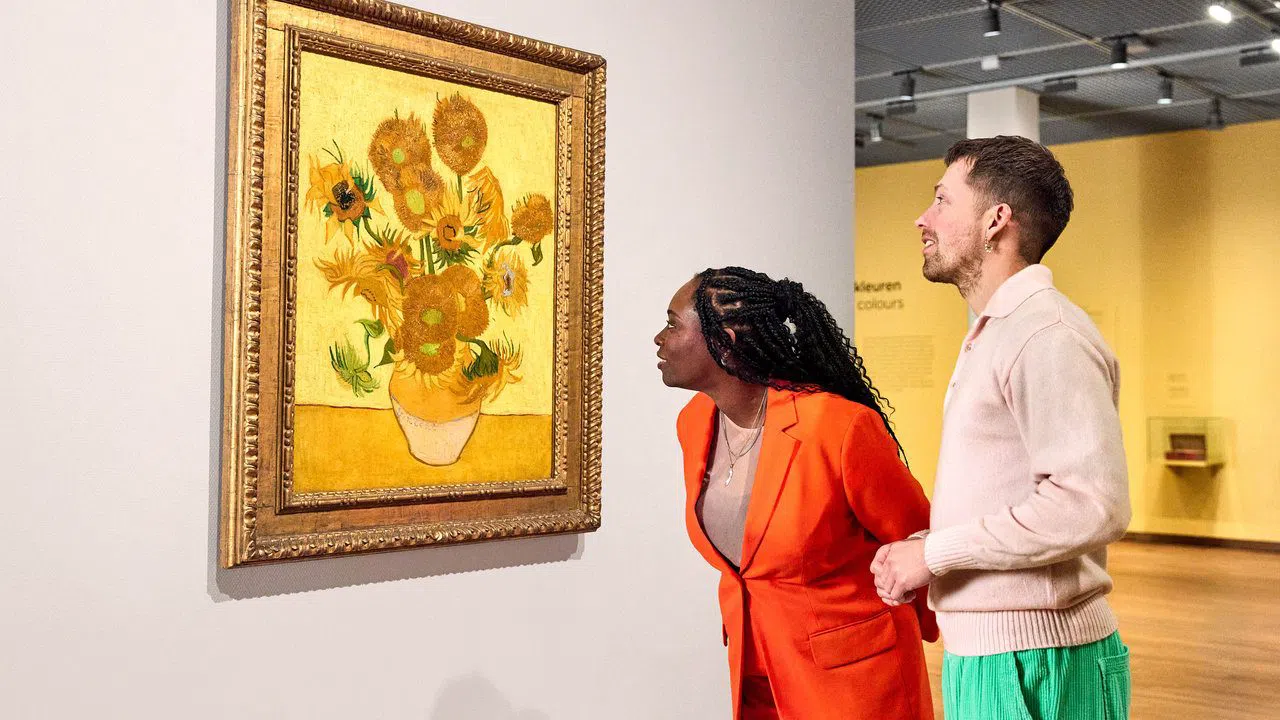
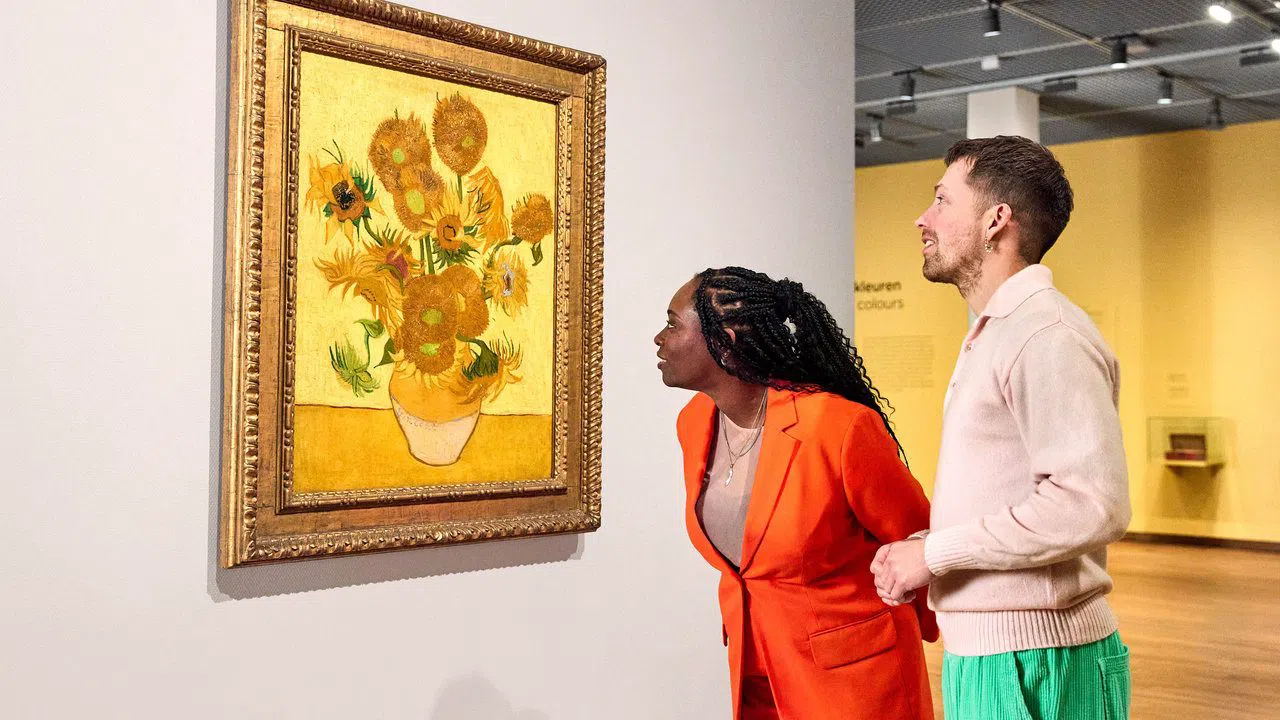
The Van Gogh Museum (Museumplein) is the one people miss. Every ticket is timed and online-only, there is no ticket desk at all, and that applies to a couple and a party of twenty equally. No walk-ups, no exceptions for group size. Slots routinely go two to three weeks out, and October is not a quiet month, so reserve this one before the flights are even confirmed. Adults €25, under-18s free but still needing their own timed ticket, multimedia guide €6.
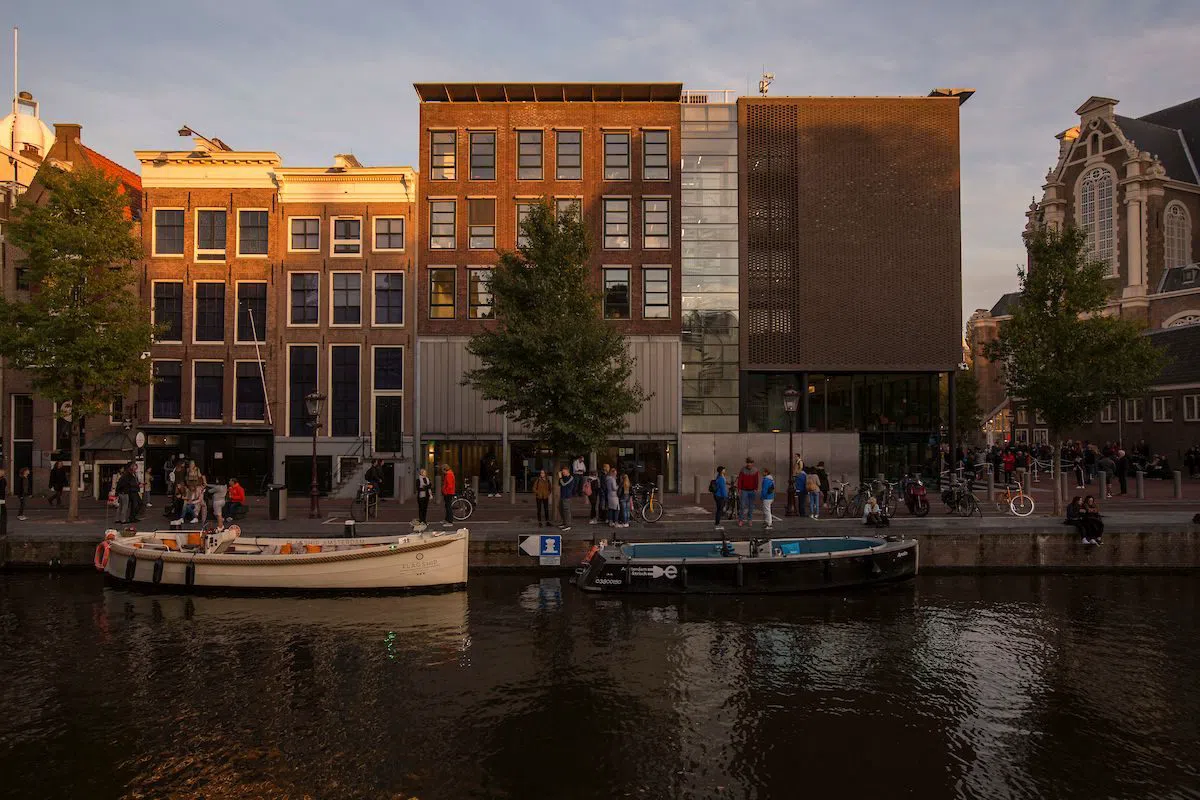
The Anne Frank House (Prinsengracht, at the eastern edge of the Jordaan) works on a stricter rhythm. Tickets release six weeks ahead, every Tuesday at 10:00 Amsterdam time, and the popular slots vanish in minutes. There are no door sales whatsoever and no group walk-ups; every visitor needs their own named time-slot ticket, non-refundable and non-transferable. Fix your dates first, work out which Tuesday covers them, and be at a screen at ten. Adults €16.50, ages 10–17 €7, under 10 €1.
The Stedelijk Museum Amsterdam (Museumplein) is running the Yayoi Kusama retrospective from 11 September 2026 to 17 January 2027, which puts October at its peak. Entry is timed and sold only through the museum's own site, and the mirror-room slots go before anything else on Museumplein, so book those first and build the rest of the day around them. During the retrospective an adult ticket is €32.50 rather than the usual €22.50; students €10, under-19s free.
The Rijksmuseum (Museumplein) also requires a booked start time from everyone, Museumkaart holders included; the card gets you in, but not without a slot. Groups over ten cannot simply arrive together either. They must book as a group, with a booked guide slot attached.
Plan your Amsterdam trip
Live prices from our booking partners.
Free cancellation on many rooms. We may earn a commission when you book.
Museumplein early or late, never at noon
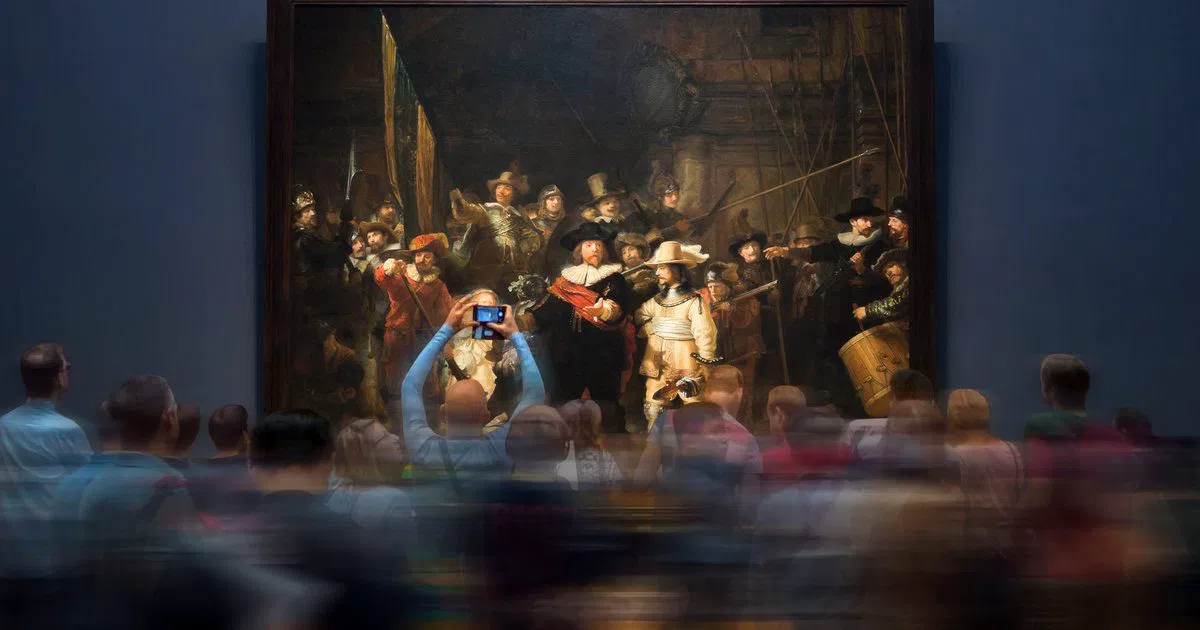
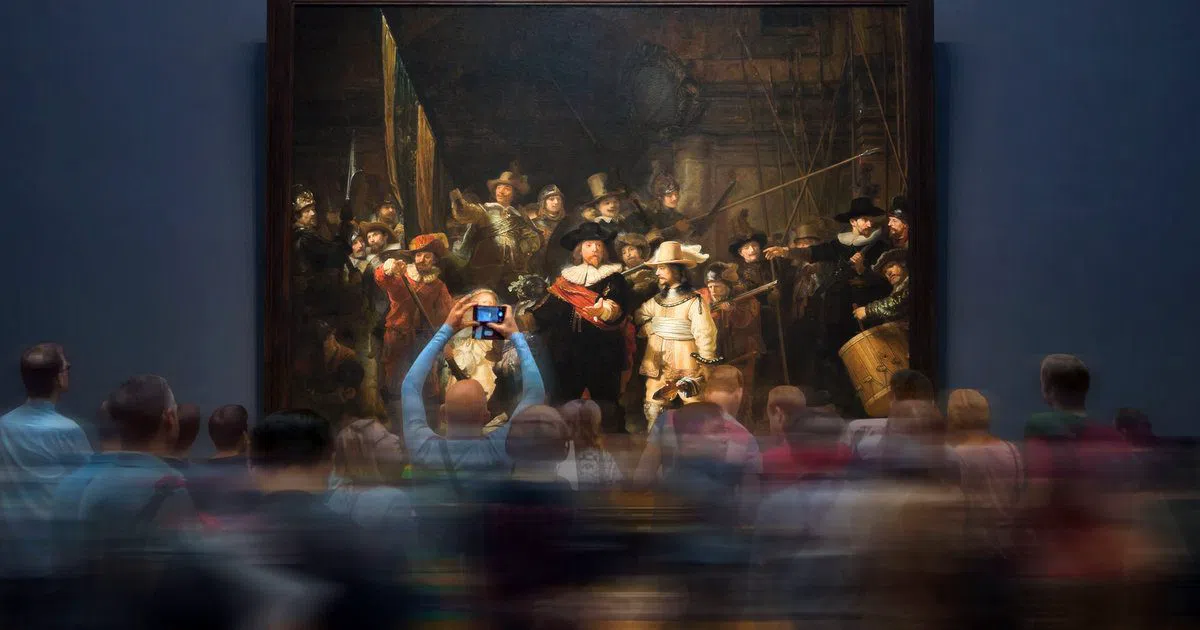
The Rijksmuseum opens daily 09:00–17:00 and costs €25 for adults, with under-18s free. Take the 09:00 slot or the last one of the afternoon and you can stand in front of the Night Watch in a hall that is close to empty. Take a midday slot in October and you are sharing it with the Dutch autumn half-term and, in the middle of the month, the ADE crowd, who fill the city's hotel rooms and then fill the museums in the daylight hours. Trams 2 and 12 stop at Rijksmuseum, a two-minute walk from the entrance.
Do not attempt all three Museumplein museums in one day. Two is the honest ceiling and even that is a long stand on hard floors. The pairing that works is the Rijksmuseum at nine and the Stedelijk mid-afternoon, with the Van Gogh Museum given its own morning on a different day. The galleries there are compact and the crowd density is high, so an hour and a half feels longer than it sounds.
Canal houses that show you what is behind the facades
The canal ring is a wall of narrow brick fronts, and the only way to understand what sits behind them is to go inside a few. These are the small museums, and in October they are the ones that rescue a wet afternoon.
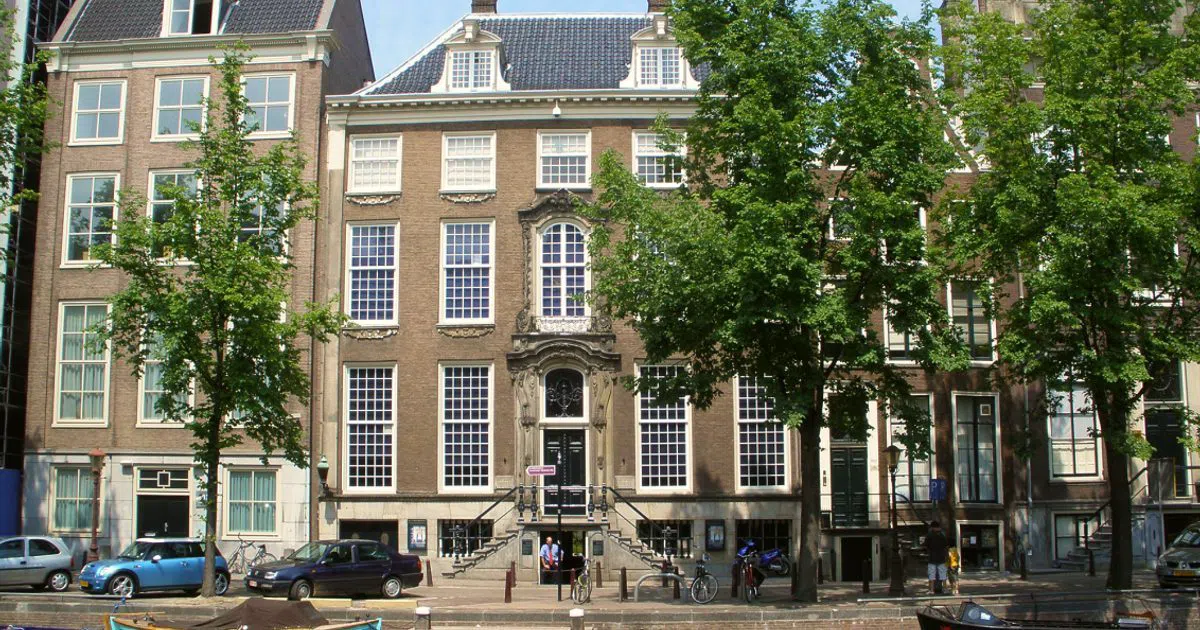
Huis Willet-Holthuysen (Herengracht, a short walk from Rembrandtplein) is a canal house preserved as a household, with the audio guide included in the €15 adult ticket. It takes groups, but the rooms are small and large parties get asked to split and enter in waves, so plan for that rather than turning up as twelve. It is also one of the few Amsterdam Museum locations open while the Kalverstraat main building is closed for renovation until 2028, so it is doing double duty at the moment.
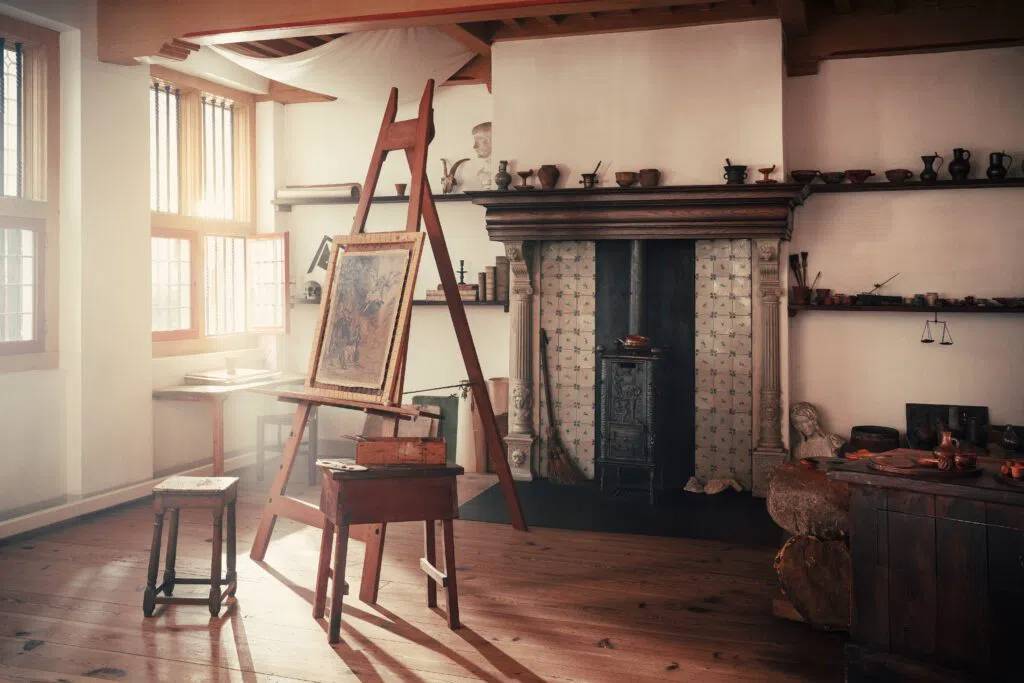
Museum Het Rembrandthuis (Jodenbreestraat, by the metro at Waterlooplein) reopened in 2023 with roughly a third more space, a screening room and a working etching workshop. Live etching and paint-grinding demonstrations run through the day, which is why it beats the big galleries when the rain comes in sideways: there is something happening in front of you rather than only on the walls. Adults €23.50, or €19.50 on an off-peak ticket between 16:00 and 18:00, multimedia tour included. Guided and etching-demonstration slots can be reserved ahead, and booking ahead is sensible even for two.
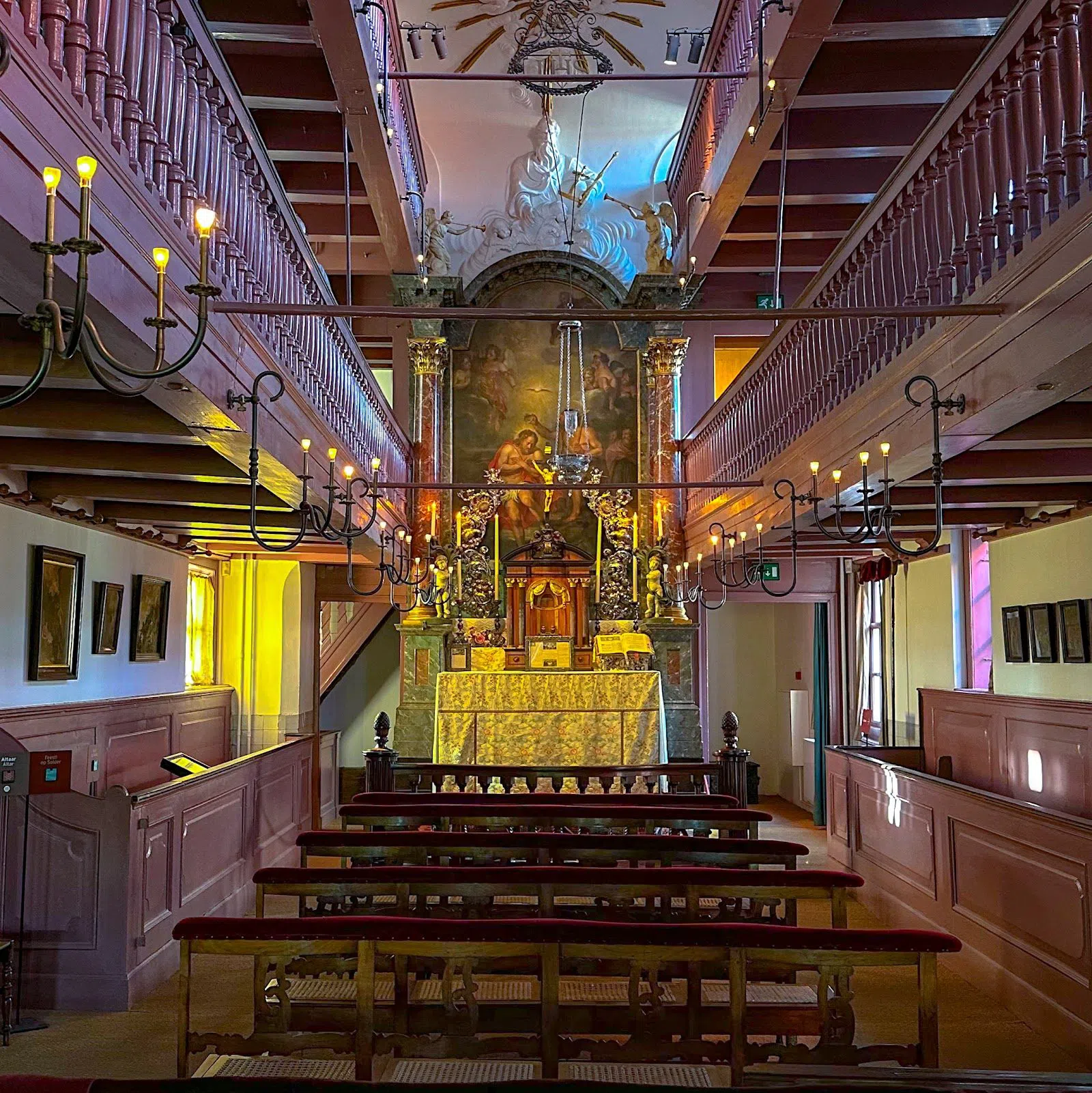
Museum Ons' Lieve Heer op Solder (Oudezijds Voorburgwal, in the old centre) hides a complete clandestine church in the attic of a merchant's house, and it is the strangest interior in the city centre by a distance. It opens 10:00–18:00 daily, later than most museums, which makes it a good second stop after a morning elsewhere. The staircases are steep and narrow and there is no lift, so party size is limited. Book ahead, and think twice if anyone in the group is unsteady on stairs. €18 adult.
Foam (Keizersgracht, in the canal belt) runs around twenty photography shows a year and is reliably the least crowded serious museum inside the ring. Adults €16, students €12.80. The rooms are canal-house rooms, so they are tight, and small groups should stagger their entry rather than arrive as a block. Sustainability works on the building run into October 2026 and it stays open throughout, but check which floors are live before you make the walk over. The nearest metro is Vijzelgracht on line 52, about five minutes on foot.
The walk itself, starting at the Brouwersgracht
A good October canal walk is about ninety minutes and needs no plan beyond a direction. Start on the Brouwersgracht where the warehouses have their shutters and hoist beams intact, turn south down the Herengracht, and let yourself drift west across the Keizersgracht and Prinsengracht through the nine short shopping streets between them. The bridges are the point: stand on one, look along the water rather than across it, and you get the receding line of arches that the low sun sets up between about nine and eleven in the morning.
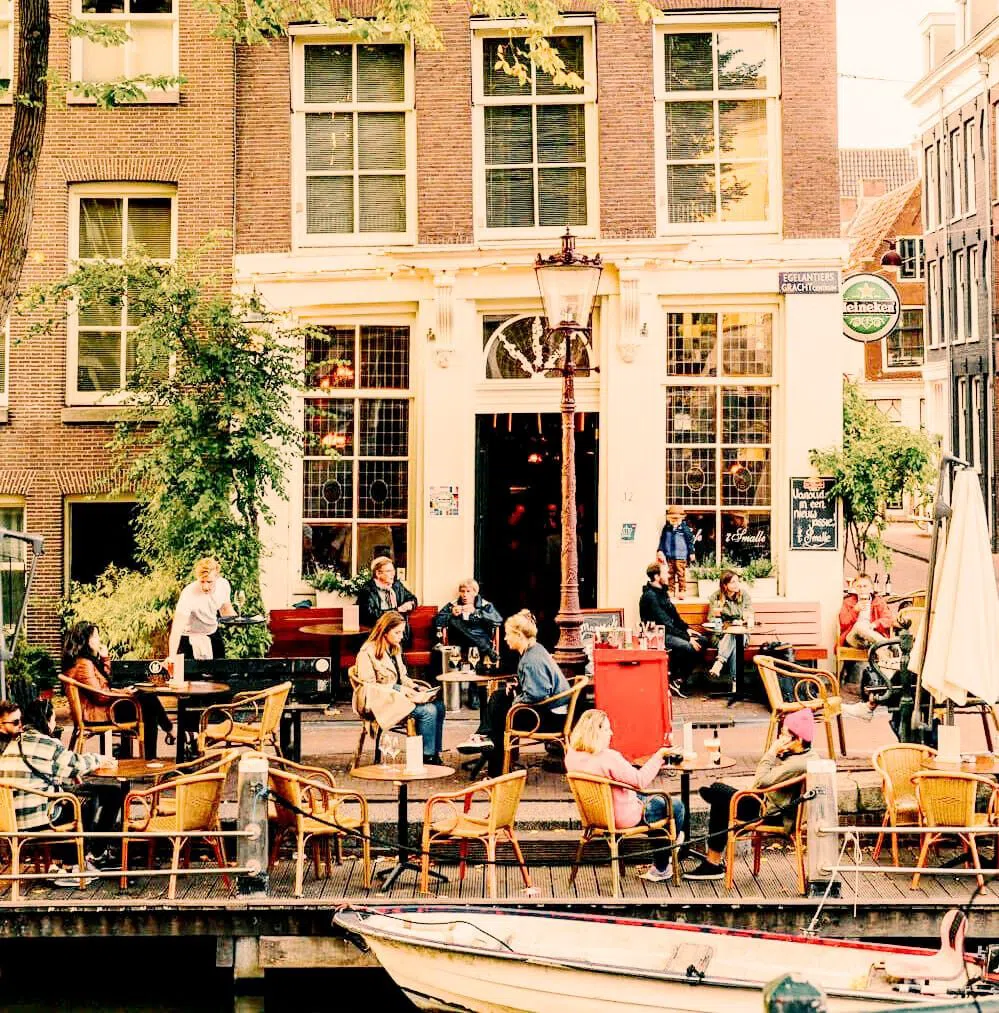
End it at Café 't Smalle (Egelantiersgracht, in the heart of the Jordaan), a brown café with a canal-side pontoon that is the classic finish to that walk. It opens from 14:00 on weekdays and 13:00 at weekends, takes no reservations, and it is tiny: fine for four or five, hopeless for a party of ten who will end up standing on the pavement in the drizzle. Beers run €5–7 and bitterballen around €8. When the weather turns the interior earns its keep, which is more than most terrace-dependent places can say in October.
One walking note: the cycle lanes are traffic, not decoration. Look left before stepping off any kerb, and do not stop dead on a bridge to take a photograph without moving to the side first.
Ninety minutes on the water in a boat that actually fits
The difference between canal cruises here is hull width. Those Dam Boat Guys (departing Prinsenstraat 13H in the Jordaan) run boats for ten, twelve and twenty-eight, with private charters from two people up to twenty-eight, at around €30 per person for a ninety-minute tour. Twelve passengers, a live guide rather than a recorded loop, and you bring your own drinks. The small hull is the only kind that fits the narrow Jordaan canals at all. The hundred-seat glass-roofed barges are stuck on the wide water, which is the least interesting part of the ring.
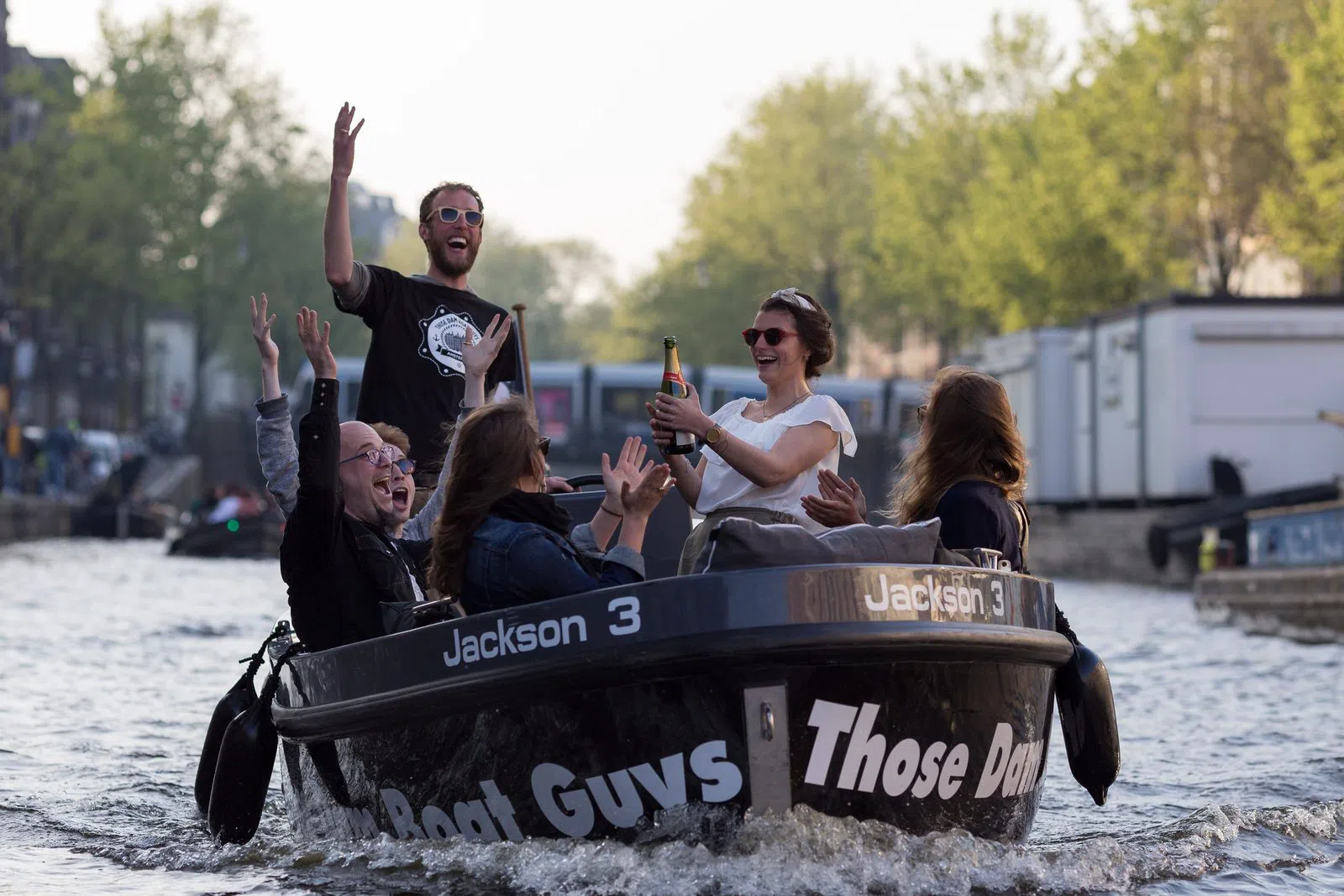
In October dress for it properly. You are sitting still on cold water for an hour and a half, and the wind funnels along the canals; a hat and a proper coat make the difference between a good trip and a cold one.
Across the IJ on the free ferries
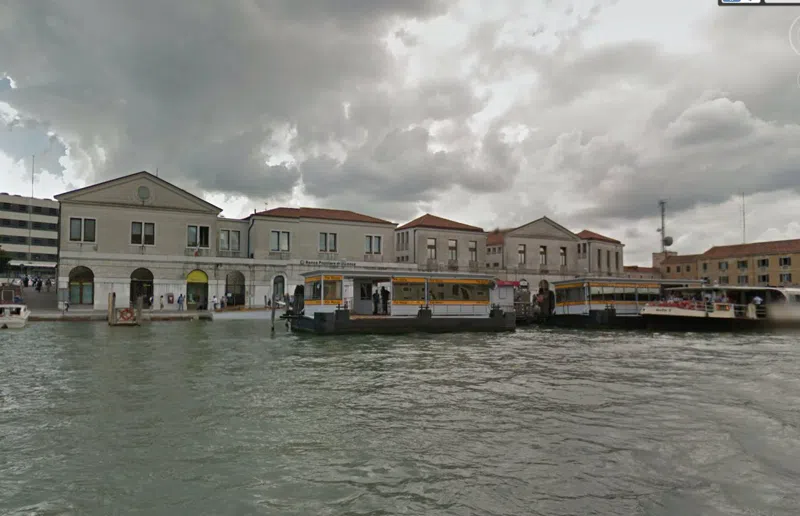
Behind Centraal station a row of docks sends free ferries north across the IJ, running around the clock and costing nothing.
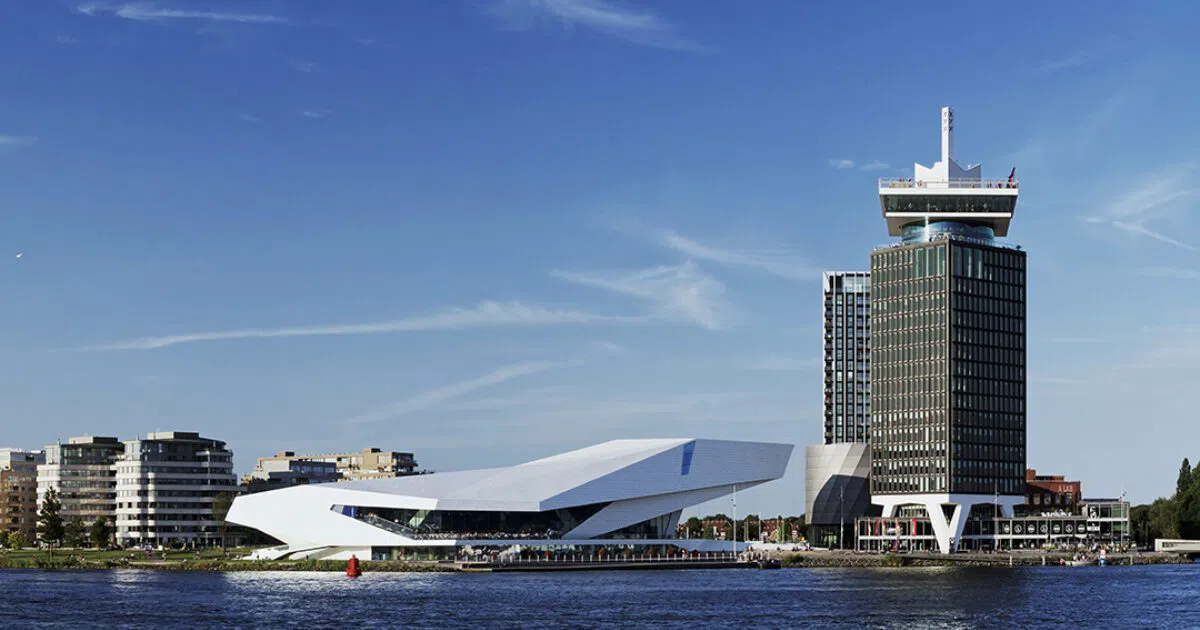
The F3 to Buiksloterweg takes under five minutes and lands you at the Eye Filmmuseum (Overhoeks, Amsterdam-Noord). It is the best short crossing in the city and worth doing for its own sake. Eye handles groups easily with a large foyer, four cinemas and a waterside cafe-restaurant that will seat a big party. Exhibition tickets are €16 adult, €11 students, under-18s free; screenings are priced separately. The basement film pods, where you can pull up individual titles from the archive, are the right move once the light dies at half five and the museums inside the ring have shut.
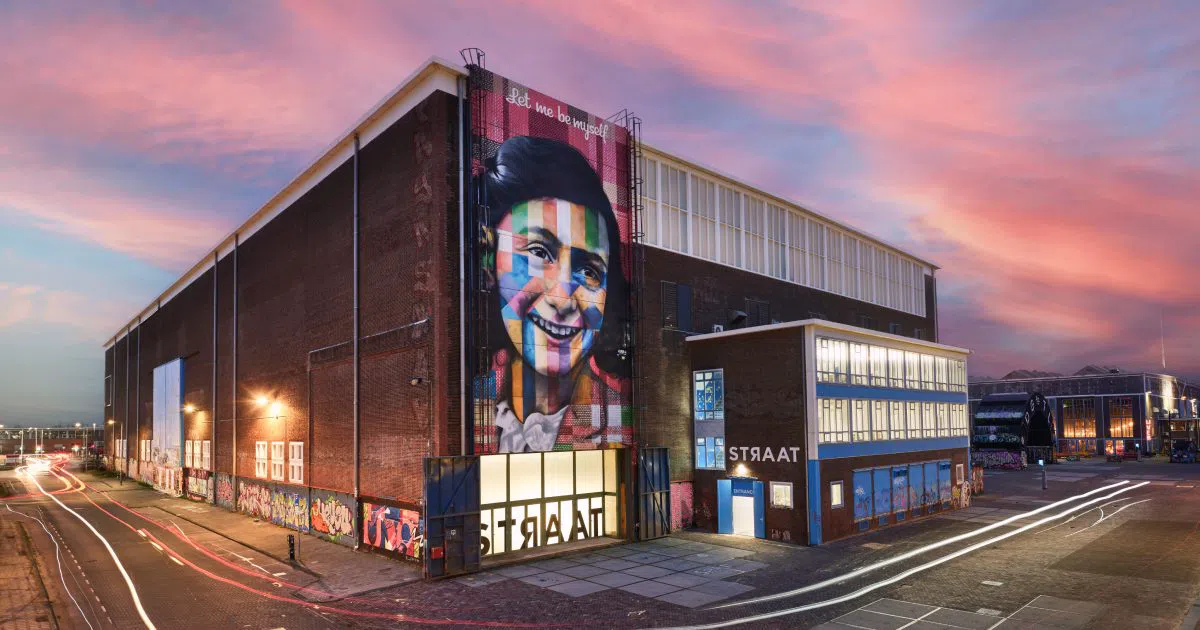
The NDSM ferry, from the same docks and about fifteen minutes out, reaches STRAAT Museum (NDSM yard, Amsterdam-Noord), a hangar of street art and graffiti at a scale nothing inside the ring can match. Adults €21.50. It opens Tue–Sun 10:00–17:00, Mondays from 12:00, and late until 21:00 on the first Friday of each month, which in 2026 falls on Friday 2 October. It is strong for groups, with guided tours and group bookings available, and the scruffy shipyard outside is half the reason to come, so leave time to walk around it before the ferry back.
East along the water to the windmill
Het Scheepvaartmuseum (Kattenburgerplein, on the eastern islands) is the most group- and family-friendly museum in the city: a large courtyard and multiple entry routes absorb crowds that would jam a canal house, and group rates are available on request. Adults €20, children 4–17 around €8, with €1 off for e-tickets, open daily 10:00–17:00. The replica East Indiaman moored alongside is the draw and is partly lift-accessible, but the decks are open and the wind comes straight off the IJ, so dress as if you were on the water, because you are.

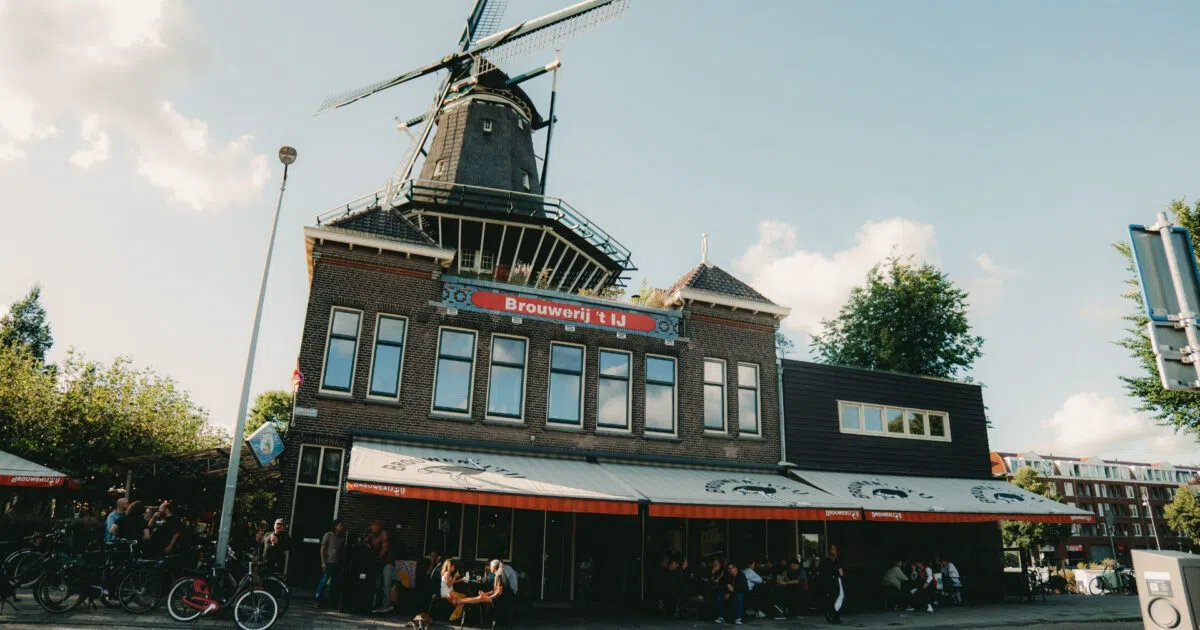
From there it is an easy walk east along the water to Brouwerij 't IJ — Proeflokaal de Molen (Funenkade 7, under the windmill), open Mon–Thu 14:00–22:00 and Fri–Sun from 12:00, with beers at €6–8 and brewery tours and group tastings bookable ahead. The terrace under the mill still works in October if you keep your coat on, and for a larger party the nearby Café Struis can be hired exclusively. Worth knowing if you are ten or more and do not want to be the group that swamps a small room.
A jenever room with nowhere to sit
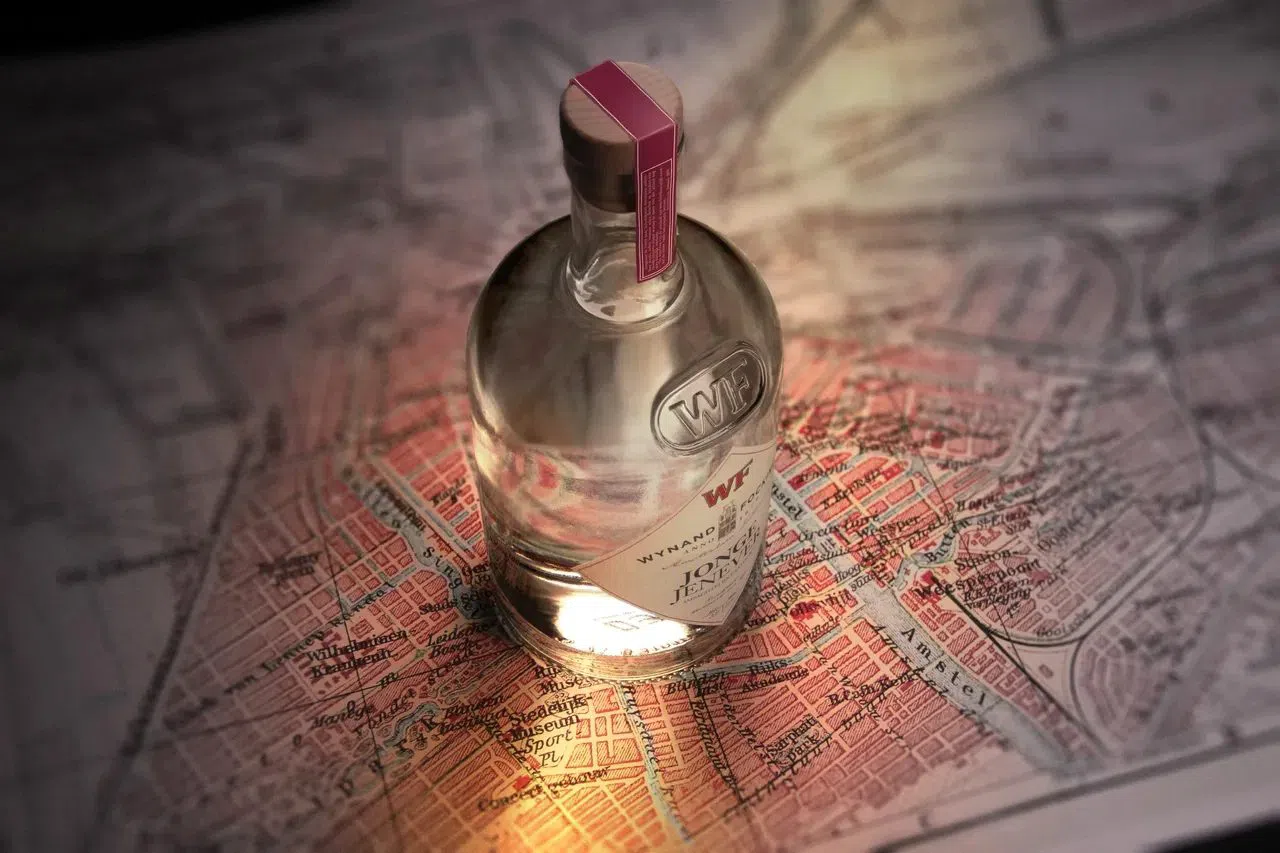
Proeflokaal Wynand Fockink (Pijlsteeg 31, in the alley behind Dam square) has been distilling on the same spot since 1679 and opens daily 15:00–21:00. The room seats barely a dozen standing, so this is small groups only; anything larger needs a guided tasting booked in advance, from around €25 a head. Glasses run €6–9, poured over-full to the brim, and the ritual is to bend to the glass rather than lift it. There is nowhere to sit, which is the point: twenty minutes, two glasses, then out into the dark. It is not a place to park a group for the evening.
The warmest hour in the city
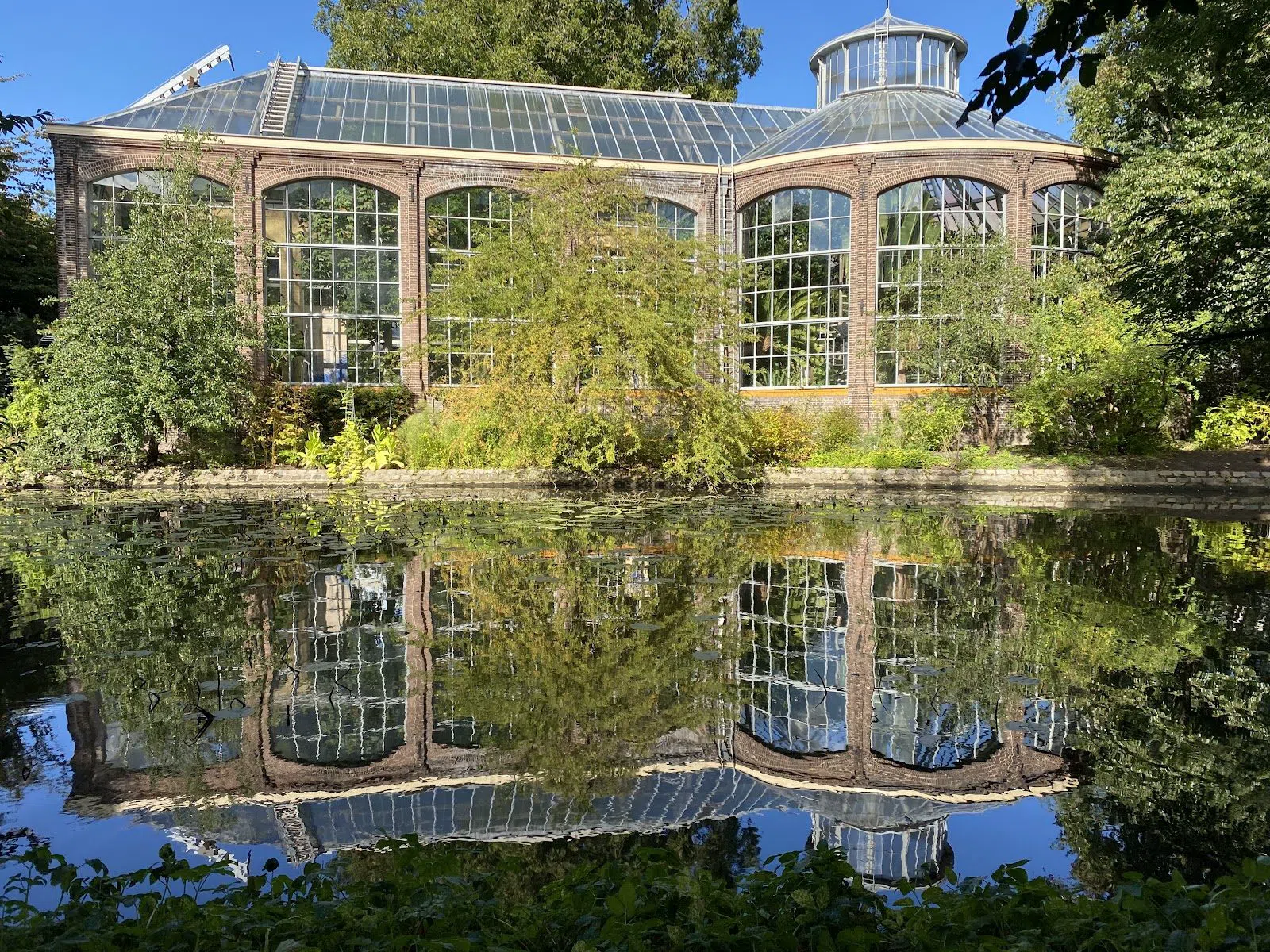
When the cold gets into your hands, Hortus Botanicus Amsterdam (Plantage Middenlaan, a few minutes from the Rembrandthuis on foot) is the answer. Founded in 1638 as a medicinal herb garden and open daily 10:00–17:00, its heated glasshouses are the warmest hour available on a raw October afternoon. Adults are roughly €13–15, students and ages 5–17 €7.50. It takes groups, guided tours and group bookings are available, and the orangery cafe gives a party somewhere to regroup and dry off.
How many days this actually takes
Four full days is the honest number for a first visit: one for Museumplein, one for the canal houses and a walk, one for the north bank across the IJ, one loose day for the eastern islands and whatever the weather allows. Five if you want the boat, the jenever and a slow morning. Three works but forces you to skip either the Van Gogh Museum or the crossing to Noord.
Basing yourself inside or just outside the canal ring saves more time than any transport ticket, because almost everything above is walkable from there. Start with an Amsterdam hotel search and check the walking distance to the Herengracht before the star rating. If you are building out the rest of the trip, the wider Amsterdam guide covers what sits beyond this month's shortlist. The city is a workable base for day trips, but every museum above wants a fixed time slot, so the days you spend elsewhere are the days you cannot flex a booking.
Practical notes for an October week
The IJ ferries behind Centraal are free and run 24/7. For trams and the metro you can tap a contactless bank card straight at the post, with no local card needed, or buy a GVB day ticket for roughly €10 per 24 hours, which only pays off if you are riding more than three or four times a day. Trams 2 and 12 serve Museumplein, metro 52 stops at Vijzelgracht for the Keizersgracht end of the canal belt, and the metro at Waterlooplein puts you between the Rembrandthuis and the Hortus. Most of this article is walkable end to end.
Amsterdam is a card-first city. Plenty of museums and cafes take cards only and will wave cash away, so carry a debit or credit card, and do not rely on American Express alone. A small amount of cash is worth having for a market stall or a tip, nothing more.
The clocks go back on Sunday 25 October 2026. Before that, sunset is around seven at the start of the month; after it, the light is gone a few minutes before five. Since most museums close at 17:00, the sensible shape of a late-October day is museums in the daylight and the tap room, the jenever room or the Eye film pods once it is dark. Expect 10–14°C, rain in most weeks, and wind that beats umbrellas, so bring a hood.
Two museums a day comes to roughly €40–50 per person, the small boat is about €30, and beers run €6–8. Allowing €80–110 a day per person for entry, food and drink, excluding your room, covers an October day comfortably. The walking, the bridges and the ferries (the best of the month, really) cost nothing at all.
Before you go
How many days do I need in Amsterdam in October?
Four full days is the honest number for a first visit: one for Museumplein, one for the canal houses and a long walk, one for the crossing to Amsterdam-Noord, and one loose day for the eastern islands. Five if you also want the small-boat canal tour and a slow morning. Three works, but you will have to drop either the Van Gogh Museum or the north bank.
Which Amsterdam museums do I have to book in advance?
Effectively all the major ones. The Van Gogh Museum is timed and online-only with no ticket desk at all, the Anne Frank House sells no tickets at the door, the Rijksmuseum needs a booked start time even for Museumkaart holders, and the Stedelijk's Kusama retrospective is strict timed entry sold only through the museum's own site. Book the Van Gogh Museum first, because slots routinely go two to three weeks out.
When do Anne Frank House tickets go on sale?
Six weeks ahead, every Tuesday at 10:00 Amsterdam time. Popular slots go within minutes. Tickets are named, non-refundable and non-transferable, and there are no door sales or group walk-ups, so fix your travel dates first and be at a screen when the release opens. Adults are €16.50, ages 10 to 17 €7 and under 10s €1.
Is October a good month for canal walks in Amsterdam?
Yes, with a caveat about clothing. Temperatures sit around 10 to 14°C and the crowds are far below summer levels. The low sun between about nine and eleven in the morning lines the bridges up. Rain falls in most weeks and the wind along the canals defeats umbrellas, so a hooded waterproof and shoes that cope with wet cobbles matter more than anything else you pack.
Are the ferries across the IJ free, and how do I reach Eye and STRAAT?
The ferries from behind Centraal station are free and run around the clock. The F3 to Buiksloterweg takes under five minutes and lands beside the Eye Filmmuseum; the NDSM ferry from the same docks takes about fifteen minutes and drops you at the shipyard where STRAAT Museum sits. You need no ticket and no tap in, you just walk on.
Can large groups just turn up at Amsterdam museums?
Rarely. The Van Gogh Museum and Anne Frank House take no walk-ups at any size, Rijksmuseum groups over ten must book as a group with a guide slot, and the small canal houses will ask a large party to split and enter in waves. Het Scheepvaartmuseum, STRAAT and the Eye Filmmuseum are the three that can absorb a big group.