The Amsterdam issue
Amsterdam on Two Wheels: Ferries, Free Routes, and the Unwritten Rules of the Bike Lane
How to hire the right bike, decode the etiquette of the fietspad, and find the free ferries and car-free loops where cycling Amsterdam is a pleasure, not a nerve test.
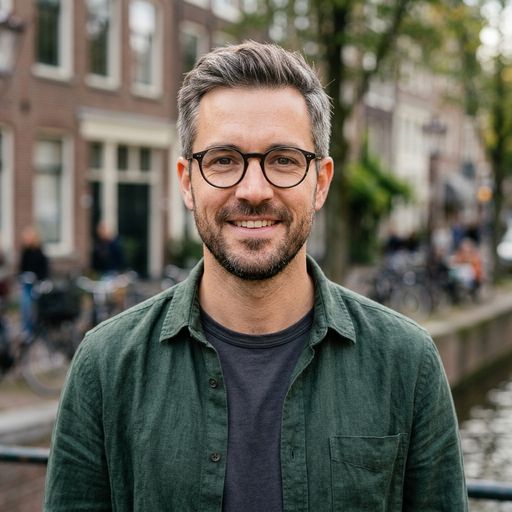
By Robin HaasThe slow way through Amsterdam's canals, courtyards and back streets
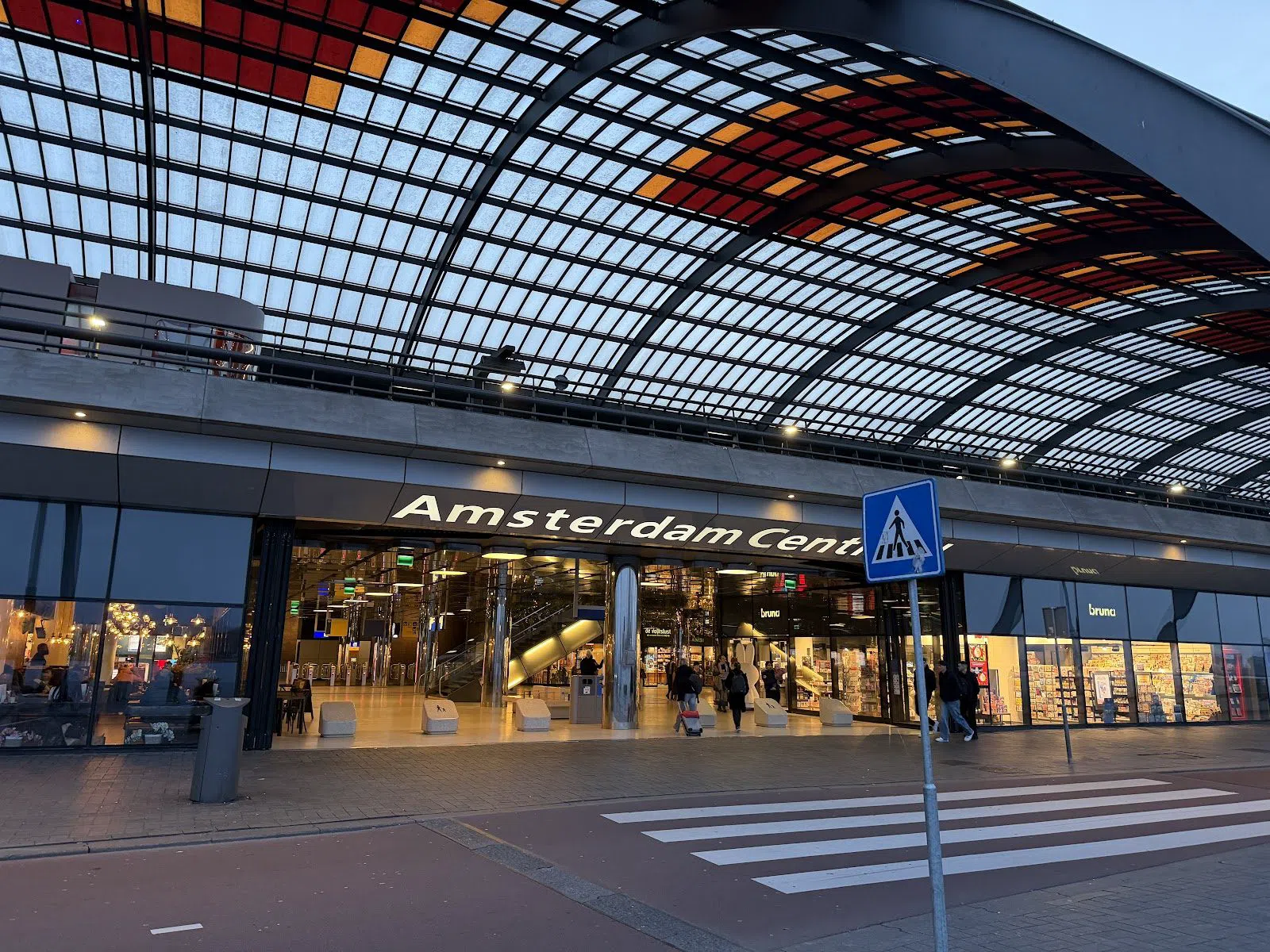
Amsterdam is one of the few cities on earth where the bicycle, not the car, sets the rhythm of the street — and where a newcomer can feel both liberated and quietly terrified within the same hundred metres. The good news is that the system is legible once you learn to read it: most red-light-runners are locals who know the timing, a bell means move, not stop, and the early hours reward anyone willing to ride before the cafés fill. This is a guide to getting a bike, learning the etiquette, and finding the routes — free ferries included — where the cycling is genuinely a pleasure rather than a test of nerve.
First, the unwritten rules
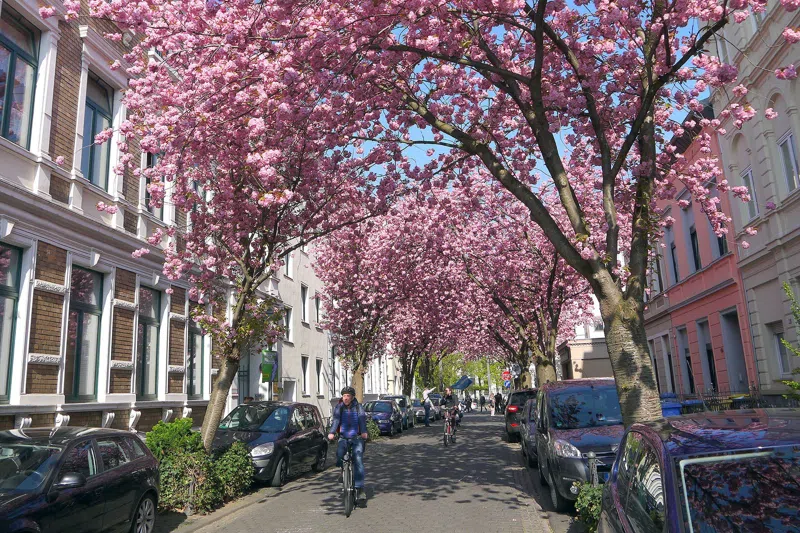
Before you touch a pedal, understand that the fietspad — the dedicated red-asphalt bike lane — runs on convention rather than signage. Keep right, overtake on the left, and signal turns with an outstretched arm; locals do it reflexively and expect you to. A bell rung behind you is not aggression, it's information: hold your line and let the faster rider pass. Do not stop in the lane to check your phone or take a photo — pull fully onto the pavement or into a side street first, because a cyclist braking without warning is the single most disruptive thing you can do here.
The hierarchy is real: trams always win, and their rails will catch a wheel if you cross them at a shallow angle, so cross close to 90 degrees. Watch for scooters, which share the lane in many places and move faster than you expect. At night your lights are not optional — a white front and red rear are legally required, and rental bikes come fitted, so check they work before you leave the shop. Finally, learn the one habit that marks you out as competent: when you park, lock the frame to a rack or a bridge rail, not just the wheel. Bike theft is the city's quiet tax on the careless.
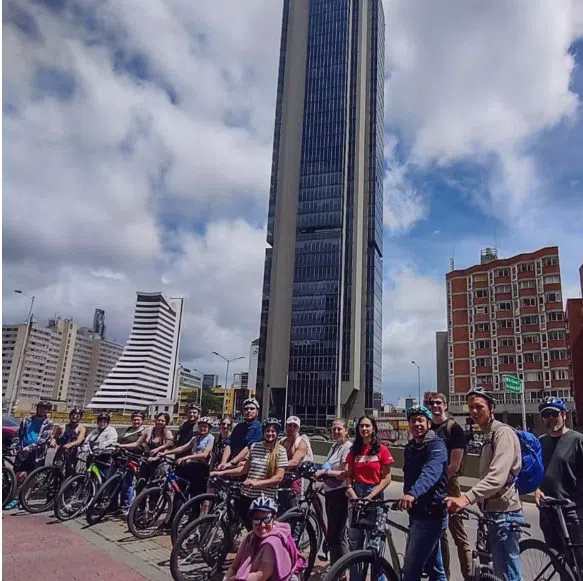
Groups have their own etiquette. Ride single file in traffic and no more than two abreast on calm stretches, and never let a loose cluster of six block the whole lane — it's the fastest way to earn a chorus of bells. If your group is nervous, start somewhere car-free (more on that below) before taking on a junction like Leidseplein at rush hour.
Plan your Amsterdam trip
Live prices from our booking partners.
Free cancellation on many rooms. We may earn a commission when you book.
Where to hire: the chains and the quieter alternatives
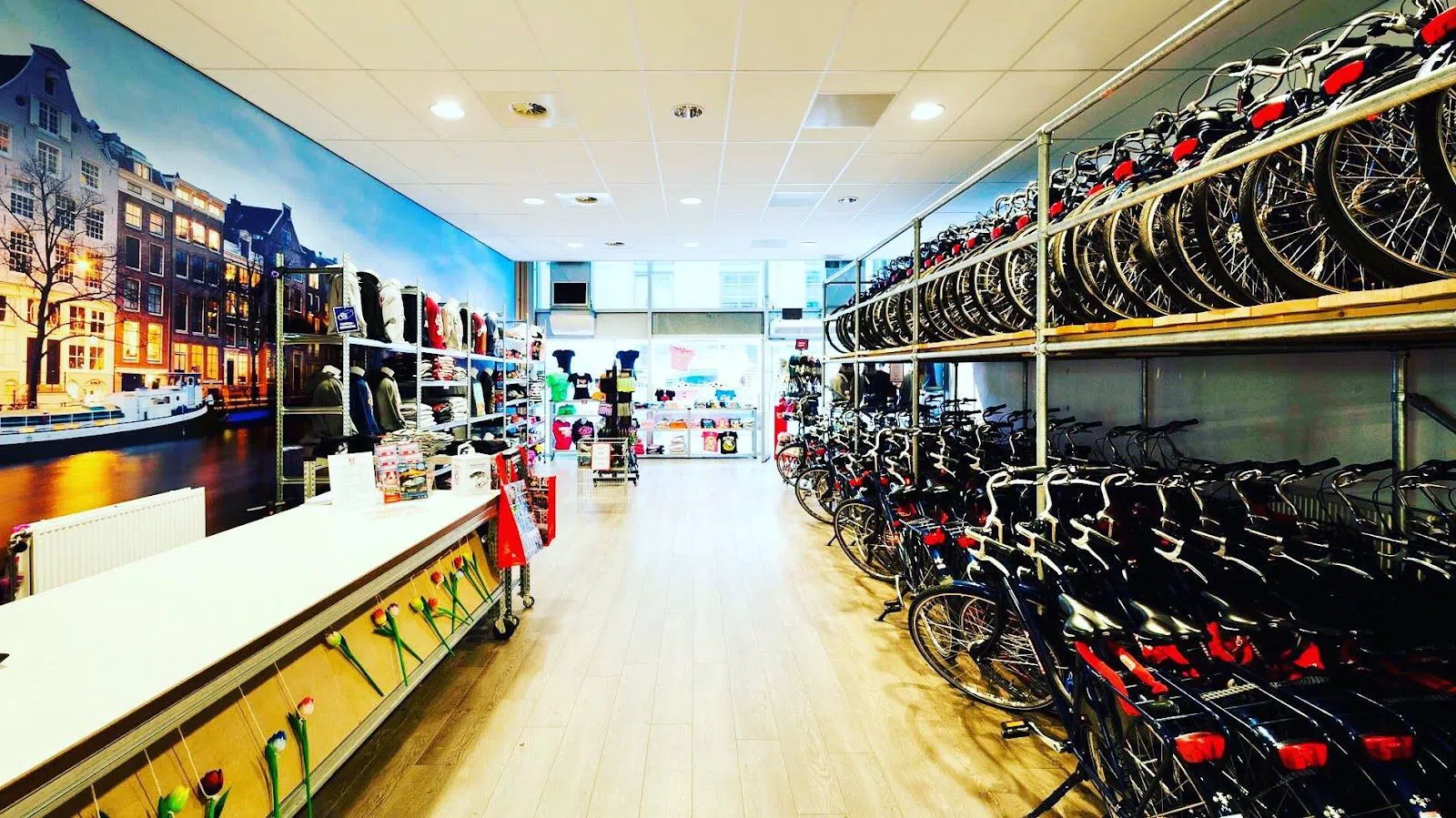
For most visitors the default is MacBike (branches in the centre at Centraal, Leidseplein and Waterlooplein), Amsterdam's most recognisable chain. A city bike runs roughly €13.50–17 a day, the fleet is large and well-maintained, and you can kit out a whole group at once without a reservation for small numbers. The catch is honesty: the bright red frames are a giveaway that you're a tourist, which matters less for practicality than for how the locals read you in traffic. If that bothers you, Black Bikes (pick-up points all over the city) offers the opposite bargain — deliberately logo-free black bikes that let you blend in, at around €14–18 a day. Its real advantage is the network: 17 branches plus a hop-on/drop-off service, so a group can start at one point and end at another near wherever the day takes them, with e-bikes, cargo bikes and tandems on offer.
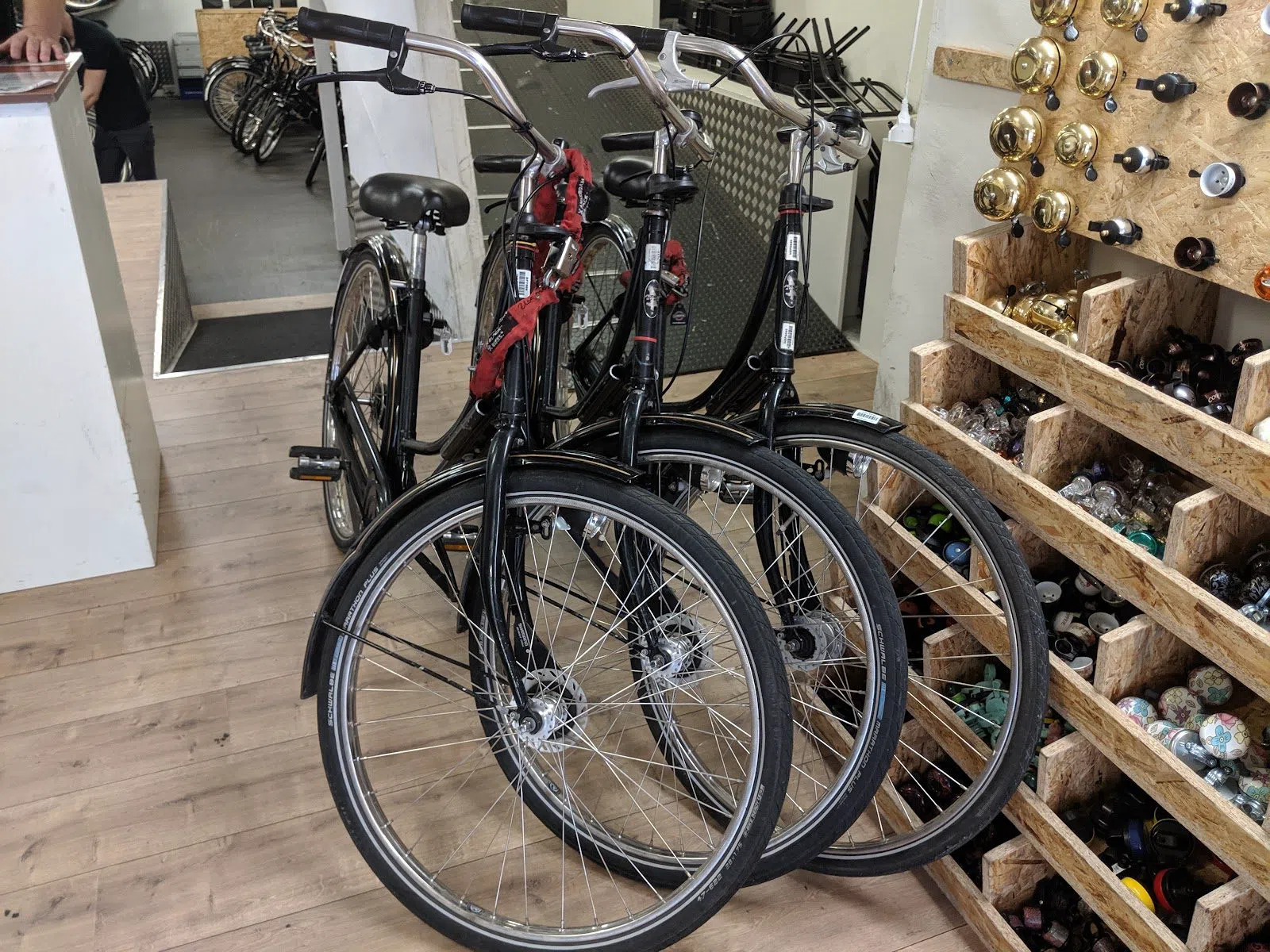
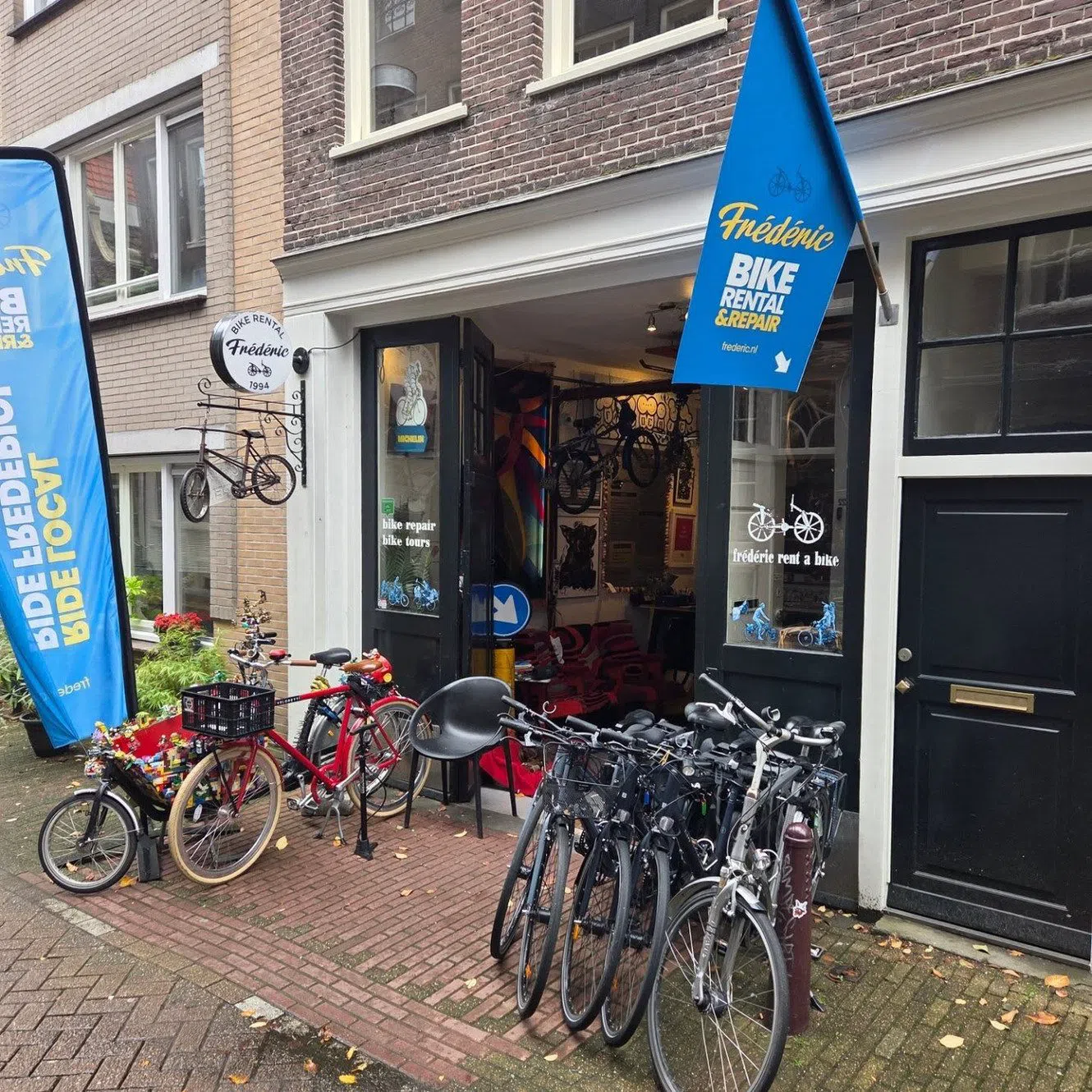
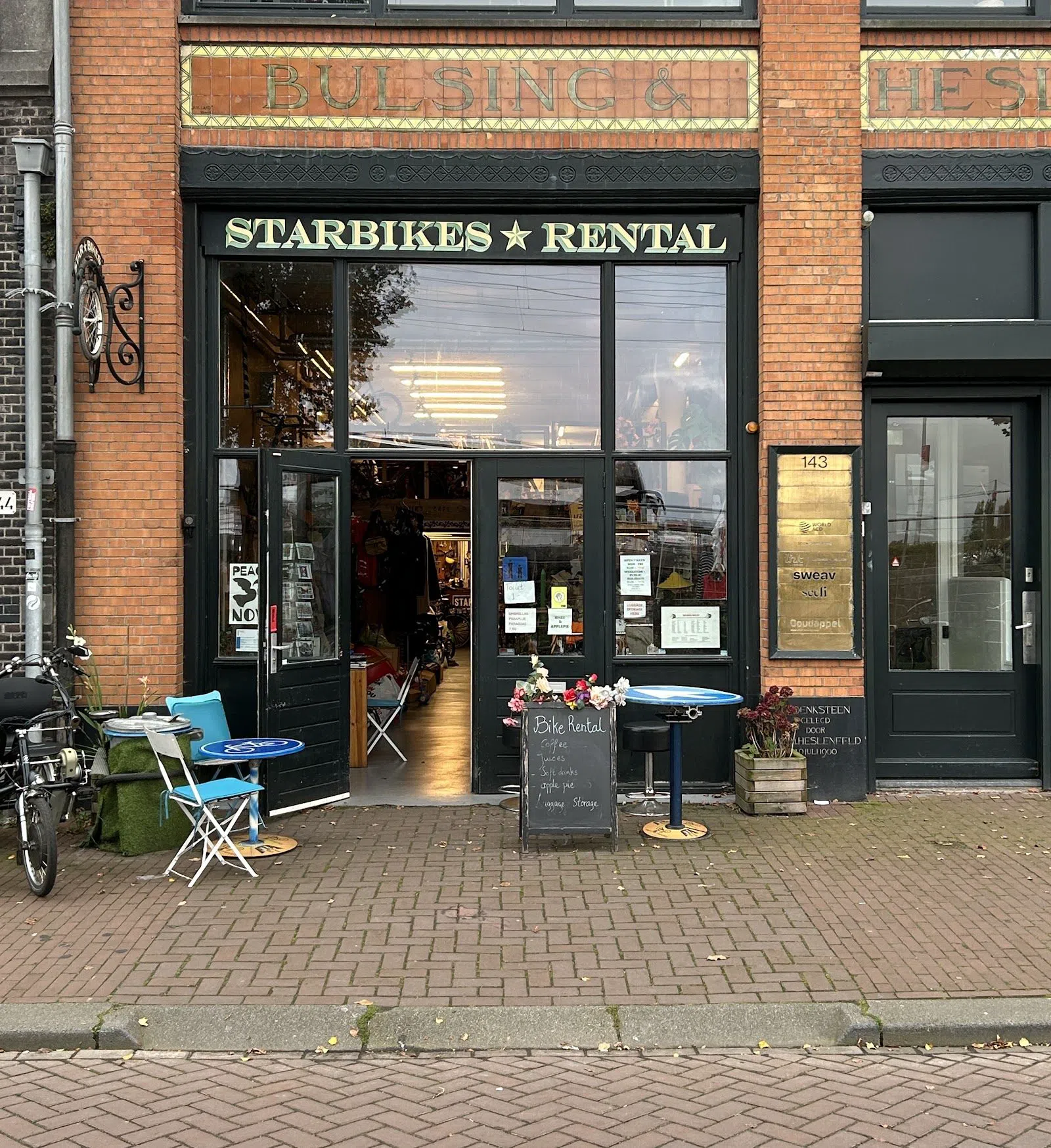
For something with more character, Frédéric Rent a Bike (in the Jordaan) is a family-run shop going since 1994, open seven days, with city, touring, e-, cargo, tandem and kids' bikes. Rates are among the cheapest and most honest in town — about €12.50 a day, or €22.50 for two — and it's the antidote to the chains if your group values personal service over scale. Just be realistic: the fleet is modest, so it suits couples and small groups rather than big parties. StarBikes Rental (just behind Centraal) is another local favourite that doubles as a canteen — a relaxed café with €1 espresso and summer live music, which makes it an easy place to gather a group before rolling out. The fleet is big and varied (classic, tandem, e-bikes, plus wheelchairs and adapted bikes), and a city bike costs roughly €12–15 a day.
Gentle starts: Vondelpark and the car-free loop
If anyone in your group hasn't cycled in traffic for years — or ever — do not throw them straight into the centre. Start at the Vondelpark Cycling Loop (Vondelpark, on the western edge of the centre). It's free, flat, car-free and scenic: the city's green lung and, honestly, the gentlest place to actually enjoy cycling here. Give nervous riders twenty minutes to find their balance and remember how the brakes feel before you commit to real streets.
You can make the park your literal starting point. A-Bike Rental & Tours (Vondelpark and Central Station branches) has a location that drops you straight onto that easy loop — rental is around €13 a day, guided tours around €30. It's a smart choice precisely because you can hire and have your first wobble in the same place, then graduate to the streets when everyone's ready. The Vondelpark branch is the single most useful detail here for a jittery group.
The photo everyone stops for
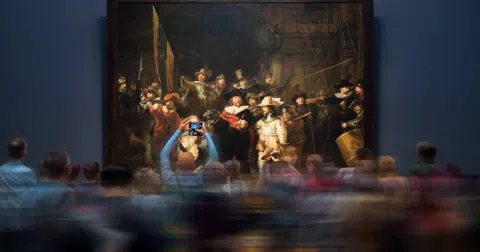
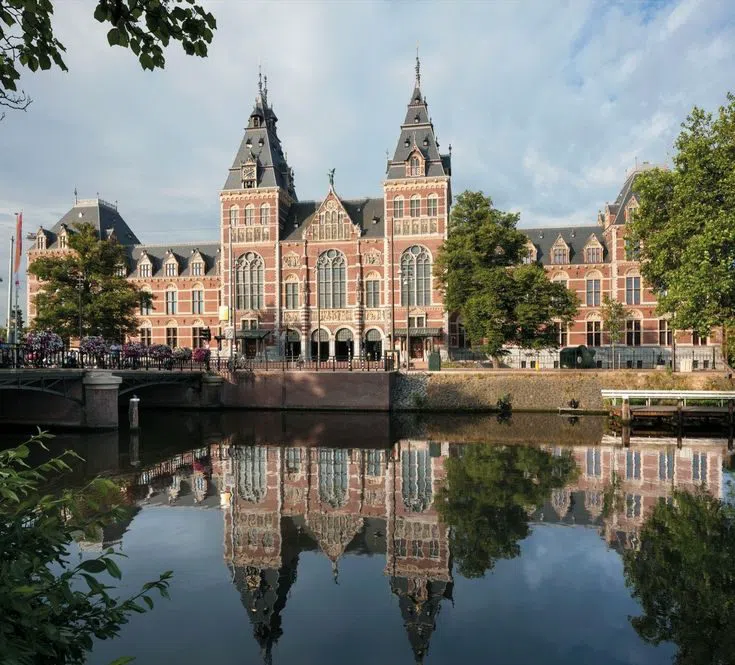
Once you're comfortable, ride the Rijksmuseum Bicycle Passage (Museum Quarter) — the free public cycle path that runs straight through the middle of the Rijksmuseum. It's one of the most famous stretches of bike path anywhere, and any size group can ride it. Two caveats keep it enjoyable: it gets busy with both cyclists and pedestrians, so go single file at peak times, and don't stop dead in the tunnel for a photo — it's a working through-route, not a viewpoint. Ride it early, before the museum queues form, and you'll get the arch, the acoustics and the light largely to yourself.
Across the IJ: the free ferries and the empty north
Here is Amsterdam's best-kept practical secret. Behind Centraal Station, the GVB ferries to Amsterdam-Noord are completely free, run around the clock, and take bikes at no charge — you simply wheel on and ride off a few minutes later on the far bank. Crossing the IJ is the fastest way to leave the congested tourist core behind, and it turns a city rental into a countryside expedition.
The operator that makes the most of this is Orangebike Rentals & Guided Tours (Amsterdam-Noord, across the IJ). Its base is a free ferry hop from Central, and it sets groups up for the emptier northern dikes and the Waterland polder rather than the crush of the centre — rental is around €13 a day, guided city and countryside tours around €30–35. For a group that wants space to actually talk and ride two abreast without a bell every ten seconds, starting in Noord is a genuinely different, calmer experience of the city.
Going guided: from first-wobble tours to the countryside run
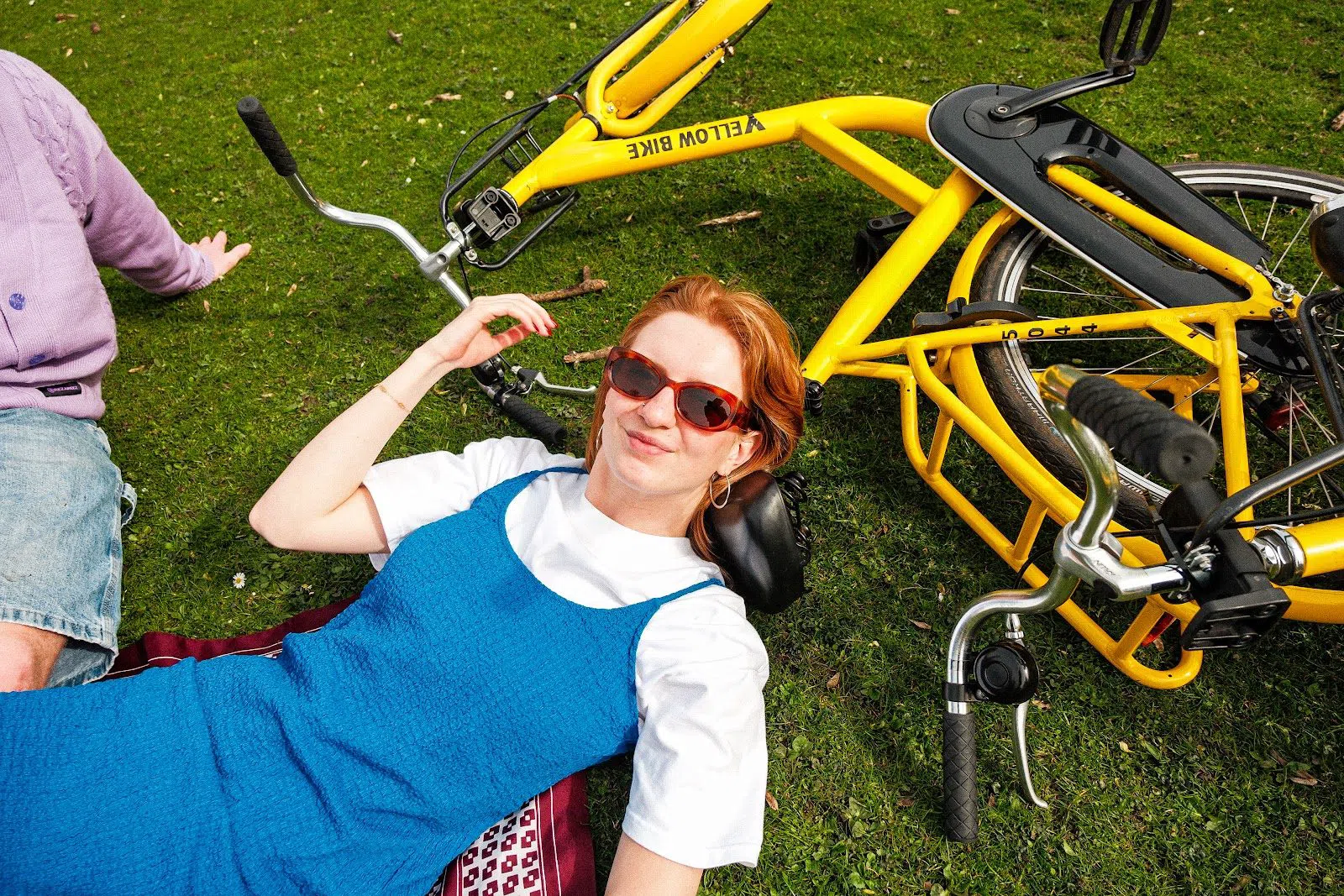
If the thought of navigating traffic alone is the thing holding your group back, a led tour is the safest way in — and Amsterdam invented the format. Yellow Bike Tours & Rental (near Centraal) is billed as the world's oldest city bike-tour company, founded in 1990, and its small guided groups are the core product. A guided city tour runs about €32–38, and it's arguably the safest way for a nervous group to taste Amsterdam traffic with someone else reading the junctions. Baja Bikes Amsterdam (meeting point right by Central Station) is the pick for mixed-ability groups: a relaxed highlights-plus-hidden-gems ride from a 2005-founded operator, guides in multiple languages, around €30–35, and a dedicated school and student product if you're travelling with a young group.
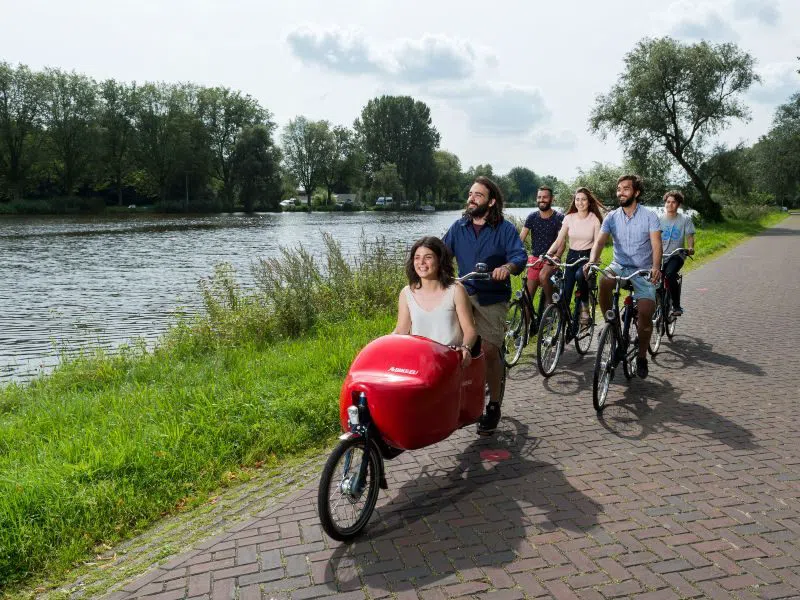
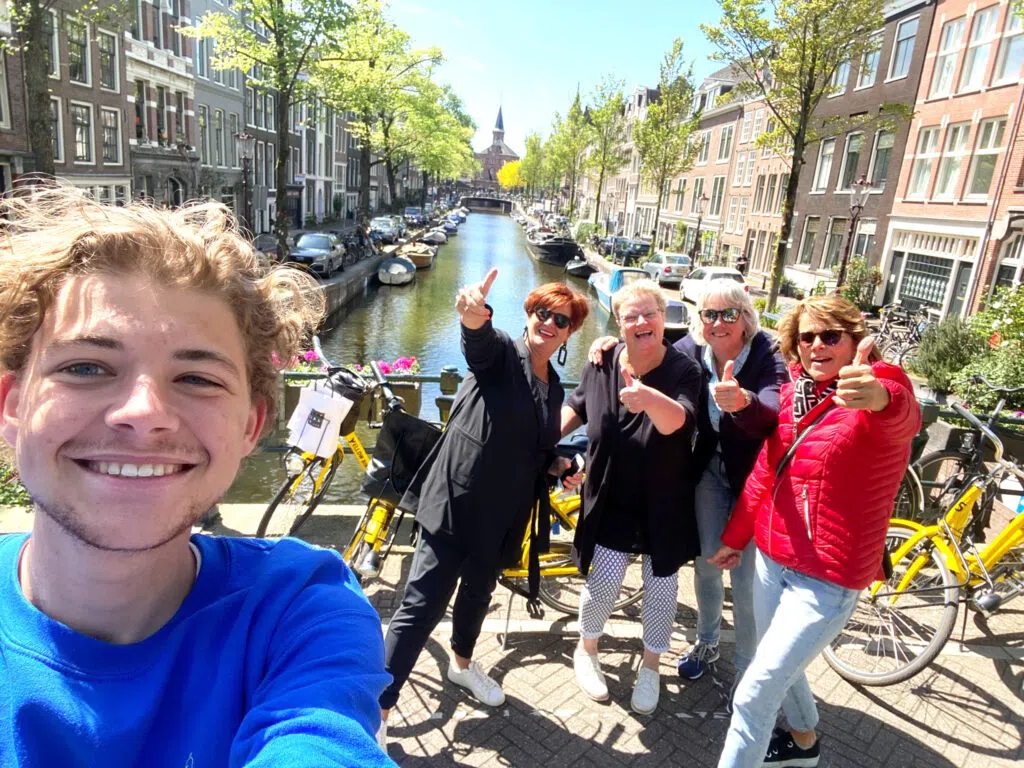
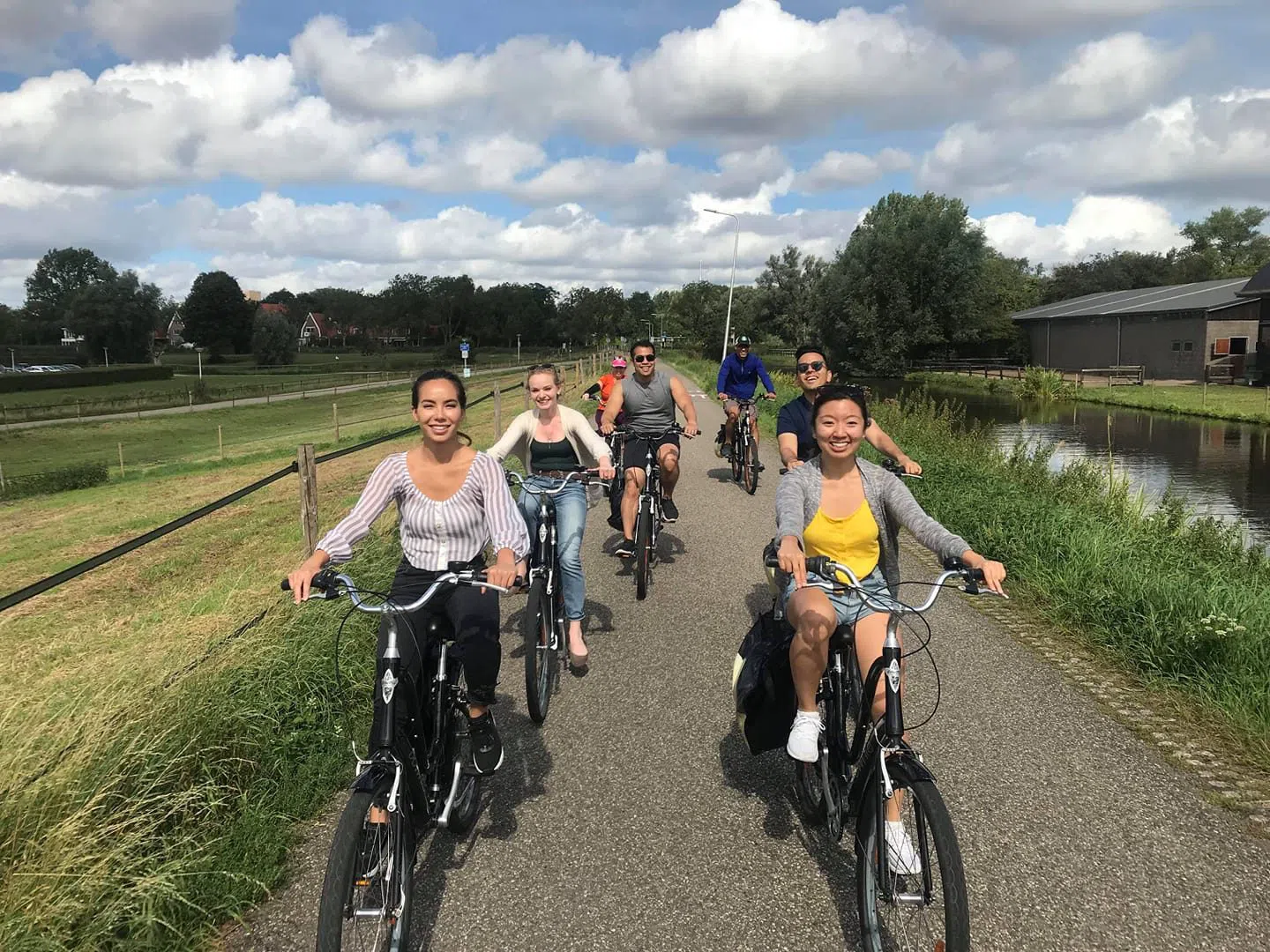
For travellers who want something closer to a private ride, We Bike Amsterdam (central) caps every group at 12 and usually runs fewer, pitching itself on the smallest groups in town. Its daily city and Waterland countryside tours (the countryside run is around €40) suit anyone who wants an unhurried pace and real conversation with the guide rather than shouting over a crowd. In the same warmer, more personal register, Joy Ride Tours (central) is a smaller operator praised for its storytelling guides; its countryside loop through the polder — cheese, windmills and clogs — runs about 3.5 hours and around €40, a friendlier alternative to the big brands.
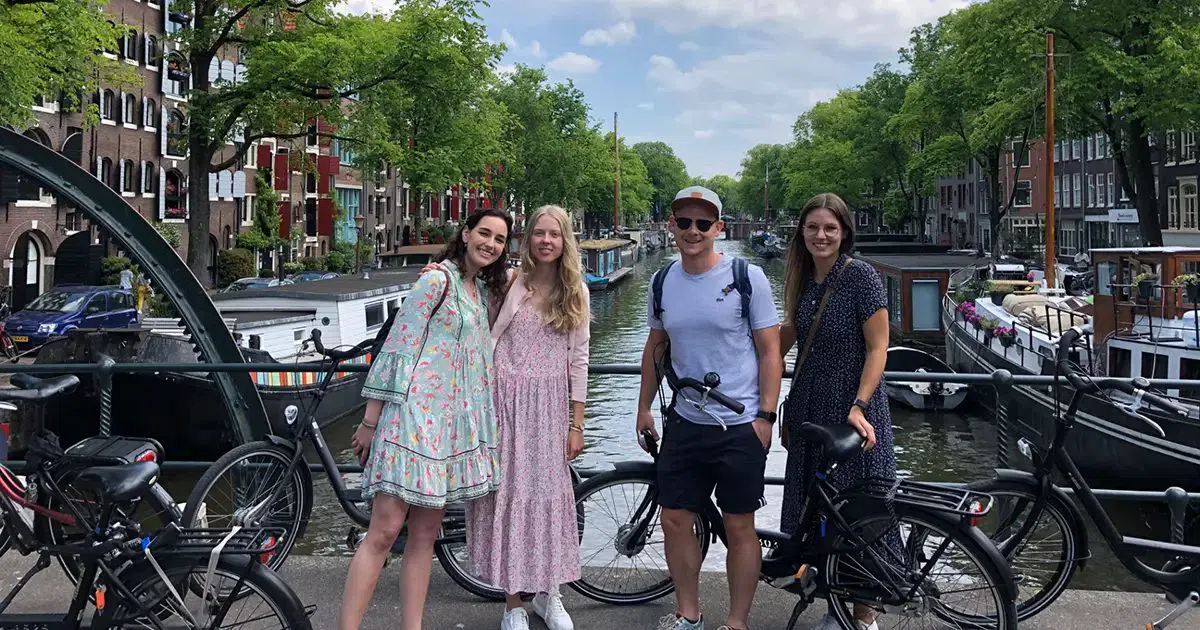
The countryside is where cycling here stops being about dodging trams and becomes about open sky. The most ambitious option is Mike's Bike Tours Amsterdam (central), whose 40 km countryside e-bike tour to Monnickendam runs April to October — cheese tasting, a clog demo and the villages of Waterland, at around €45. Be honest with yourself about fitness: even on an e-bike this is a genuine 25-mile day, so it rewards confident riders and fitter groups rather than anyone still finding their balance in Vondelpark that morning.
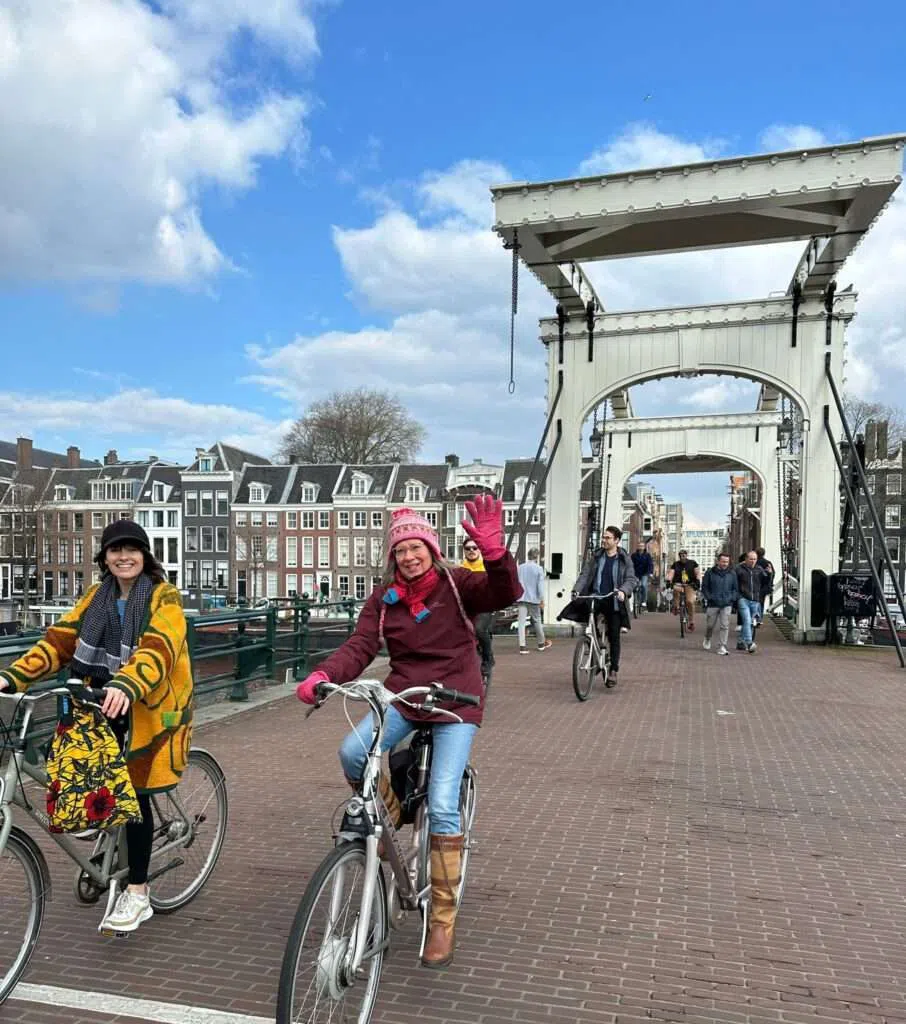
The practical bit
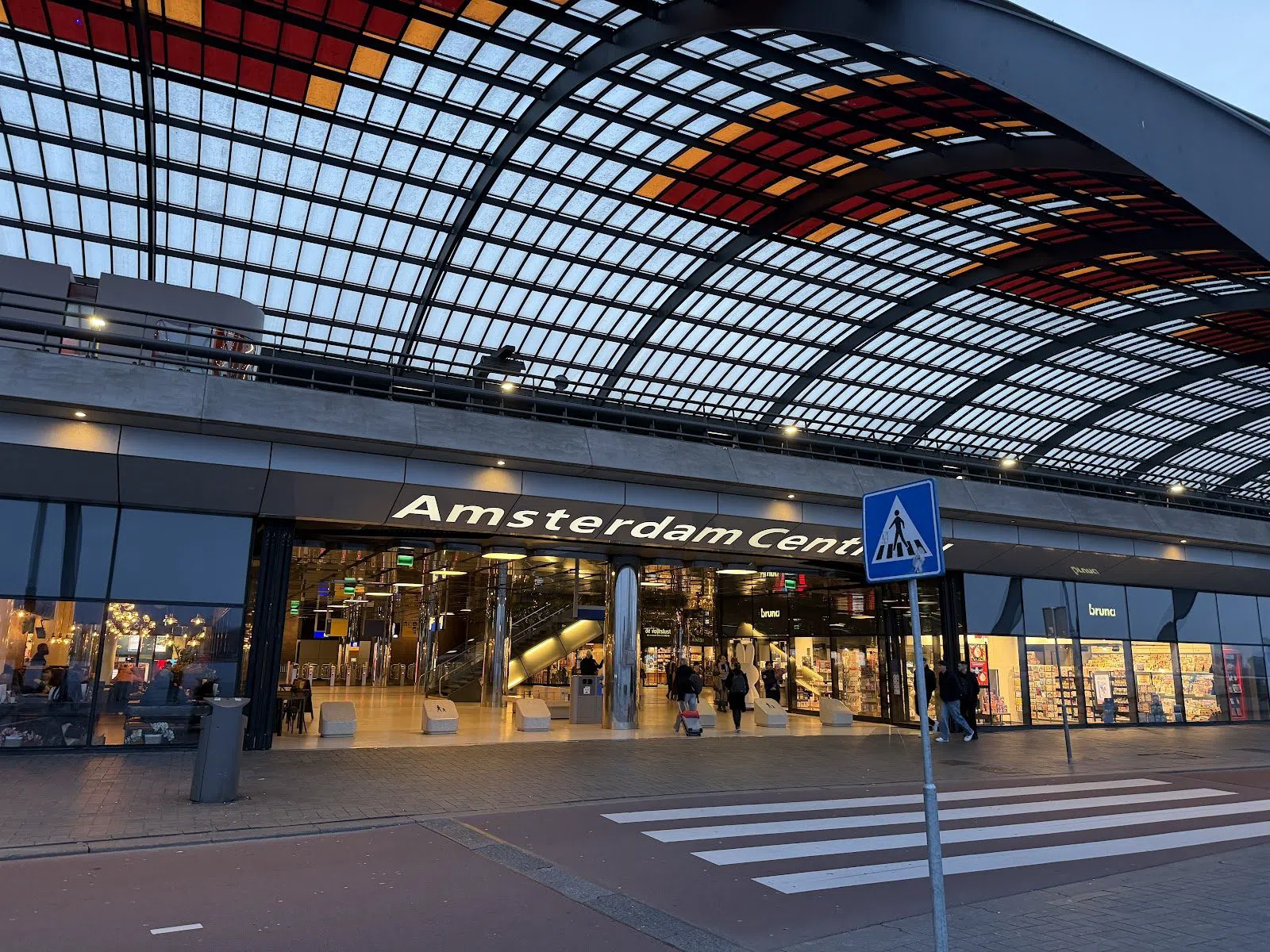
Getting to the bikes. The airport train reaches Centraal in about 15–20 minutes, and most rental branches and tour meeting points cluster within a short walk or ride of the station. Trams and the free Noord ferries fill any gaps; a single GVB transit ticket costs a few euros if you need one, but honestly, once you have a bike you'll rarely use it.
Cash and cards. Rental shops and tour operators take cards, and many Dutch businesses are card-only or prefer contactless — carry a little cash for a café or a market, but you won't need much. Budget roughly €12–18 a day for a city bike, €30–45 for a guided tour, and treat a deposit or ID hold as standard.
Timing. Ride the marquee stretches — the Rijksmuseum passage, the centre's canals — before about 10am or after the evening rush, when the lanes empty and the light is better. Weekday mornings are calmer than weekends. April to October is the sweet spot for the countryside tours; in winter the city rides fine but the polder loops thin out.
Locking up. Always lock the frame to something fixed, use the second lock most rentals provide, and never leave a bike overnight on a random rail. If it comes with lights, check them before dusk — riding unlit is both illegal and genuinely dangerous in the dark.
Where to sleep and read next. Base yourself near the centre or just west toward Vondelpark for the easiest starts; compare rooms with an Amsterdam hotel search, and for the rest of the trip — food, neighbourhoods, museums — see the full Amsterdam guide. Get the bike right and the city opens up; the rest is just remembering to keep right and let the bell go by.
Before you go
Do I need to book a bike rental in Amsterdam in advance?
For small numbers, no — chains like MacBike and Black Bikes don't require a reservation, and you can usually walk in and ride off. If you're moving a larger group or want e-bikes, cargo bikes or tandems, it's worth calling ahead, and guided tours (Yellow Bike, We Bike, Baja Bikes) should always be booked, especially the small-capacity ones.
How much does it cost to rent a bike in Amsterdam for a day?
A standard city bike runs roughly €12–18 a day. Cheaper local shops like Frédéric Rent a Bike start around €12.50 (about €22.50 for two days), while chains such as MacBike and Black Bikes sit at €13.50–18. Guided tours cost more, typically €30–45 depending on whether it's a city or countryside route.
Are the ferries to Amsterdam-Noord really free, and can I take a bike?
Yes. The GVB ferries behind Central Station cross the IJ to Noord free of charge, run around the clock, and carry bikes at no extra cost — you simply wheel on and ride off. It's the easiest way to escape the crowded centre, and operators like Orangebike are based in Noord specifically to put you on the quieter northern dikes and Waterland.
Is cycling in Amsterdam safe for nervous or first-time riders?
It is if you start gently. Find your balance on the car-free Vondelpark Cycling Loop first — A-Bike even has a branch right there — before taking on real traffic. If the idea of junctions still worries you, a small-group guided tour with Yellow Bike, We Bike or Baja Bikes lets someone else read the traffic while you follow.
What are the main bike-lane rules I should know as a visitor?
Keep right, overtake on the left and signal turns with your arm. A bell behind you means hold your line and let the rider pass, not stop. Never brake or photograph in the lane — pull onto the pavement first. Cross tram rails at a sharp angle, use your lights after dark (legally required), and always lock the frame, not just the wheel.