Rijsttafel was never really Indonesian, at least not in the way it first appeared. It was invented on Dutch-run plantations in the colonial Dutch East Indies as a piece of theatre — dozens of small dishes marched to the table in procession, designed to show a visiting official just how much abundance one household could command. When Indonesia won its independence in the late 1940s, the people who had actually cooked that food — Javanese, Sundanese, Moluccan and Indo-Dutch families — carried the tradition with them to Amsterdam, and quietly turned a colonial performance into an immigrant cuisine that fed itself and, eventually, a city. What survives here in 2026, from candlelit dining rooms to a shop with two chairs and a fridge of sambal, is the most honest record of that history you can actually sit down and eat.
A Feast With a Complicated Birth
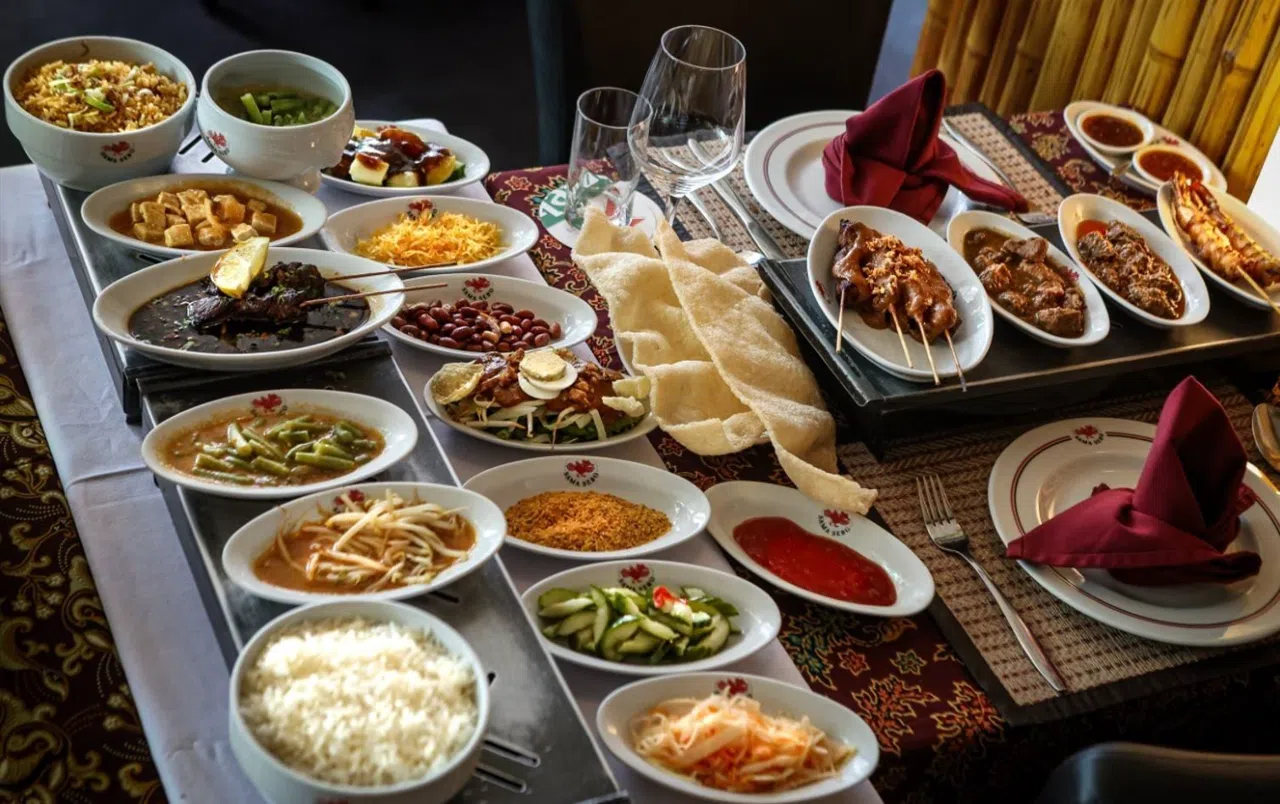
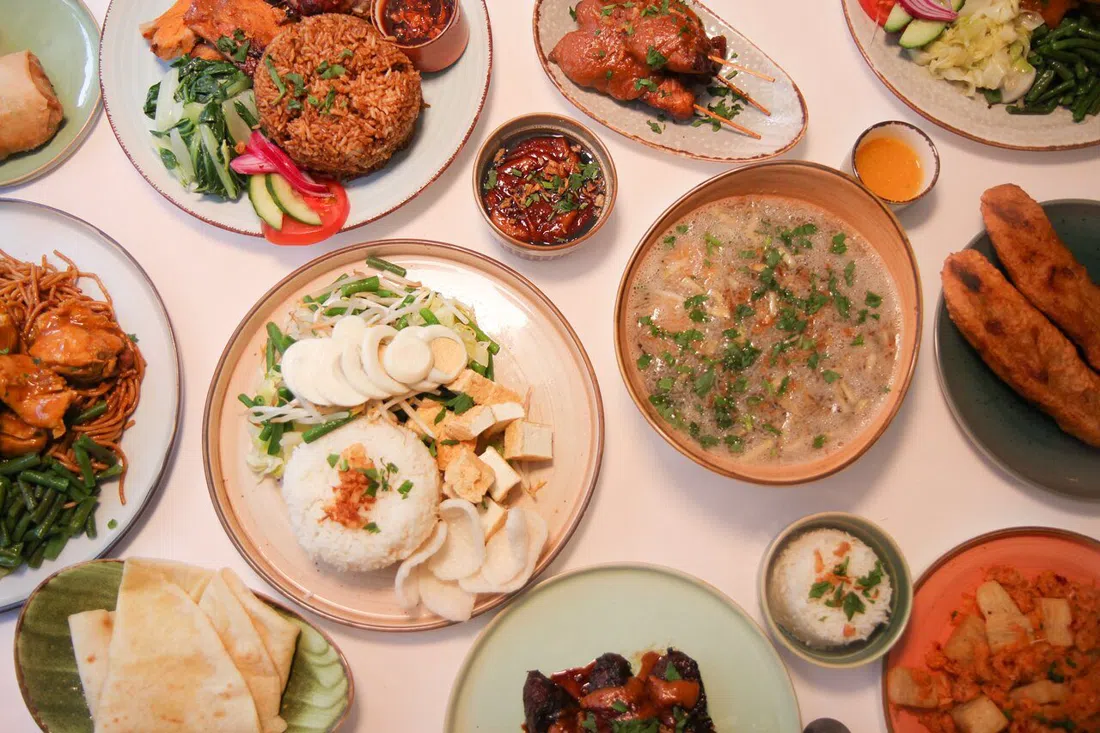
The rice table's original audience was Dutch, not Indonesian — colonial officials and planters who wanted a table groaning with rendang, satay, vegetable dishes, sambals and krupuk laid out at once, a display of the archipelago's abundance under Dutch management. The people who cooked it, mostly Javanese and Chinese-Indonesian domestic staff, were not the ones being impressed. After the Second World War and Indonesian independence, roughly 300,000 Dutch nationals and Indo-Europeans — many of whom had never set foot in the Netherlands — were repatriated, alongside Moluccan soldiers and their families who were effectively exiled rather than welcomed home to an independent Indonesia. Restaurants became one of the few ways to keep a culture, and a livelihood, intact in a cold and unfamiliar city. That's the reason so many of the restaurants below are still, two or three generations later, run by the same families. It's also why they don't all serve the same thing: some hold to the Javanese-Dutch template rijsttafel was built on, one serves the sharper, more citrus-driven cooking of North Sulawesi instead, and one on this list isn't Indonesian-Indonesian at all, but Indonesian food filtered through Suriname — a second, separate colonial displacement layered onto the first. None of this is tidy history, and the better restaurants don't pretend it is. For the rest of the city beyond the dining room, the Amsterdam guide covers it.
The Old Guard: Where the Tradition Still Runs the Room
Sama Sebo, the self-styled oldest Indonesian specialist in the country, is the benchmark against which everything else on this list gets measured — regulars call it Amsterdam's living room, and the description holds up: it's warm, slightly worn in the right places, and run like a household rather than a business. A full rijsttafel costs around €31.50 per person, which is the sharpest value on this list for the quality on offer, and the restaurant takes groups through a dedicated group-booking contact route. Walk in without a reservation on a Friday night and expect to wait; the room fills on reputation alone. It's closed Sundays, which catches out more visitors than it should.
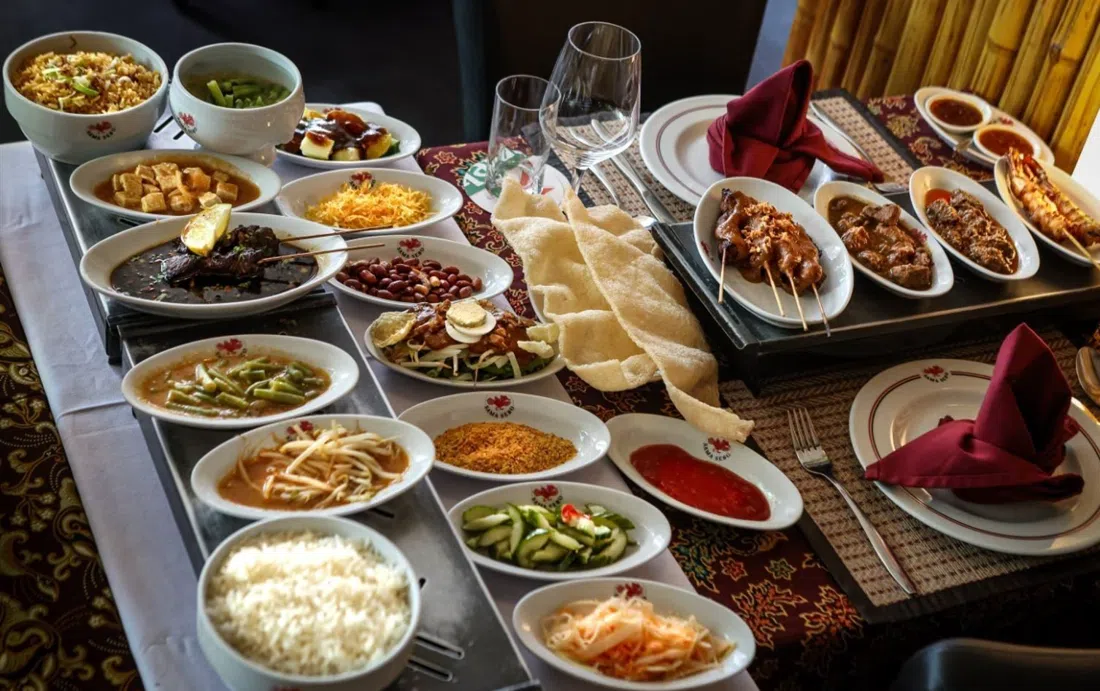
Restaurant Blauw is the other end of old-school Amsterdam rijsttafel, and it leans harder into the communal, family-style pitch than almost anywhere else in the city. Its signature is a 17-dish rice table that runs a genuine spectrum from mild to properly fiery, built explicitly for sharing rather than individual plates, and it has built a near-cult local following on the strength of it. Rijsttafel starts at roughly €35 per person. Larger parties need to book ahead — this isn't a restaurant that can absorb a big group walking in cold — but for a table of four to eight who want the classic multi-dish experience done with real conviction, it's one of the most reliable bookings in the city.
Michelin Heat and the Grand Dinner
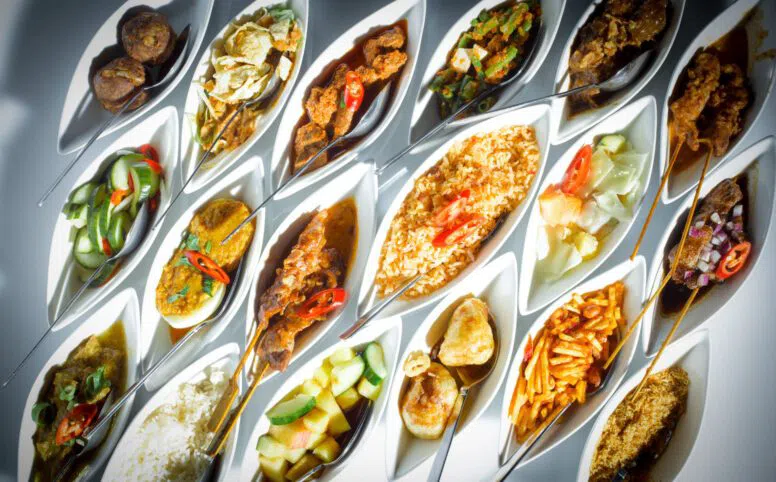
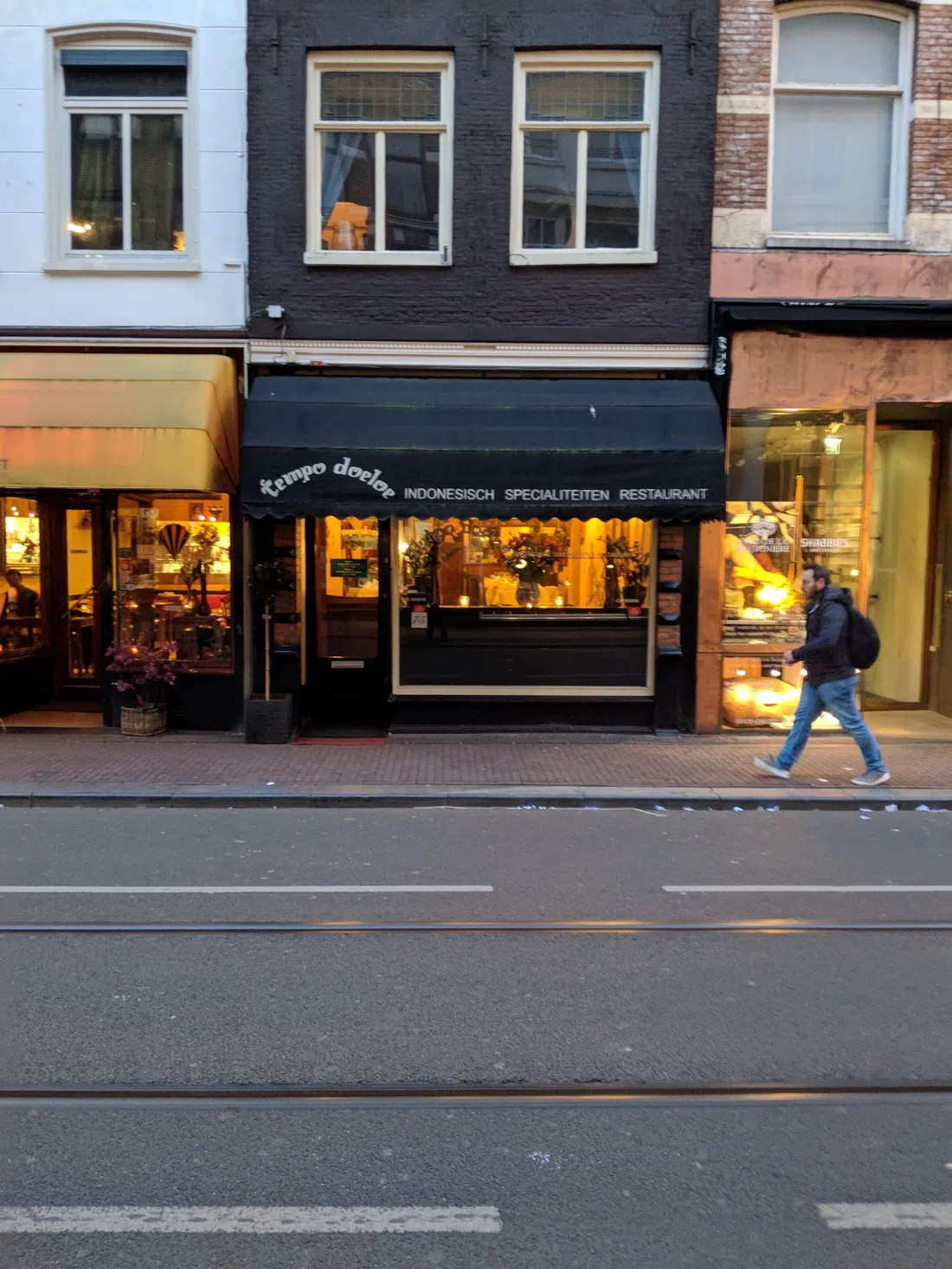
Tempo Doeloe holds a Michelin Bib Gourmand and earns it on spice, not polish — this is the rijsttafel to book if you want the heat to be genuine rather than diplomatically softened for tourists. Ask for it 'Indonesian hot' and the kitchen will actually oblige, which is rarer than it should be in this category. The Rijsttafel Istemewa runs to 25 dishes and sits at the €€€ end of the scale, and reservations are essential — this is not a walk-in restaurant. What sets it apart practically is that it's unusually accommodating of solo diners, with a proper one-person rijsttafel on the menu, alongside full group bookings for larger parties.
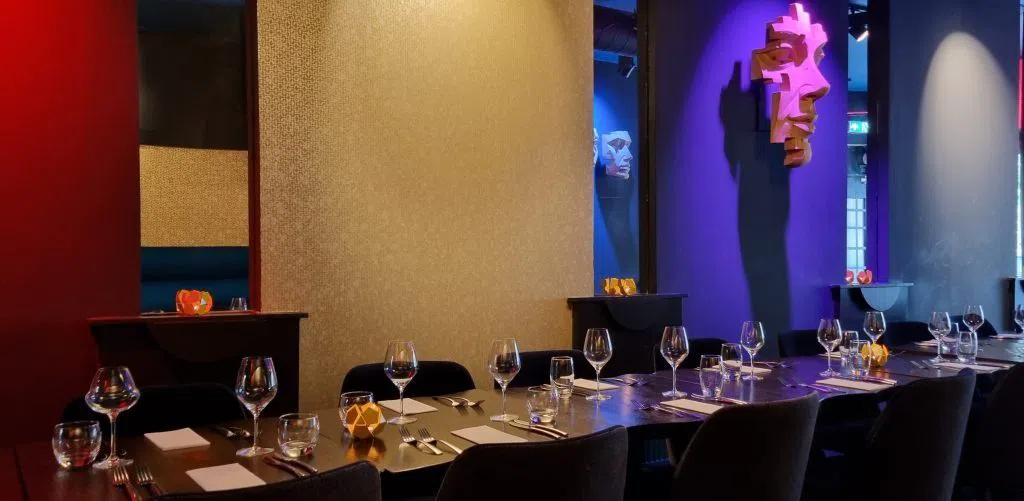
Blue Pepper is the fine-dining answer to everything above it: chef Sonja Pereira's West Javanese-accented tasting menu is wine-paired, candlelit, and priced accordingly at €90-plus per person. This is the restaurant to book for a celebration rather than a casual dinner — candlelit canal-cruise rijsttafel dinners run specifically for groups of eight or more, and private dining is available for events. It's the upscale counterpoint to the family-style rice tables elsewhere on this list, and it should be treated as an occasion booking, not a spontaneous one.
Built for the Group: Leidseplein to the Jordaan
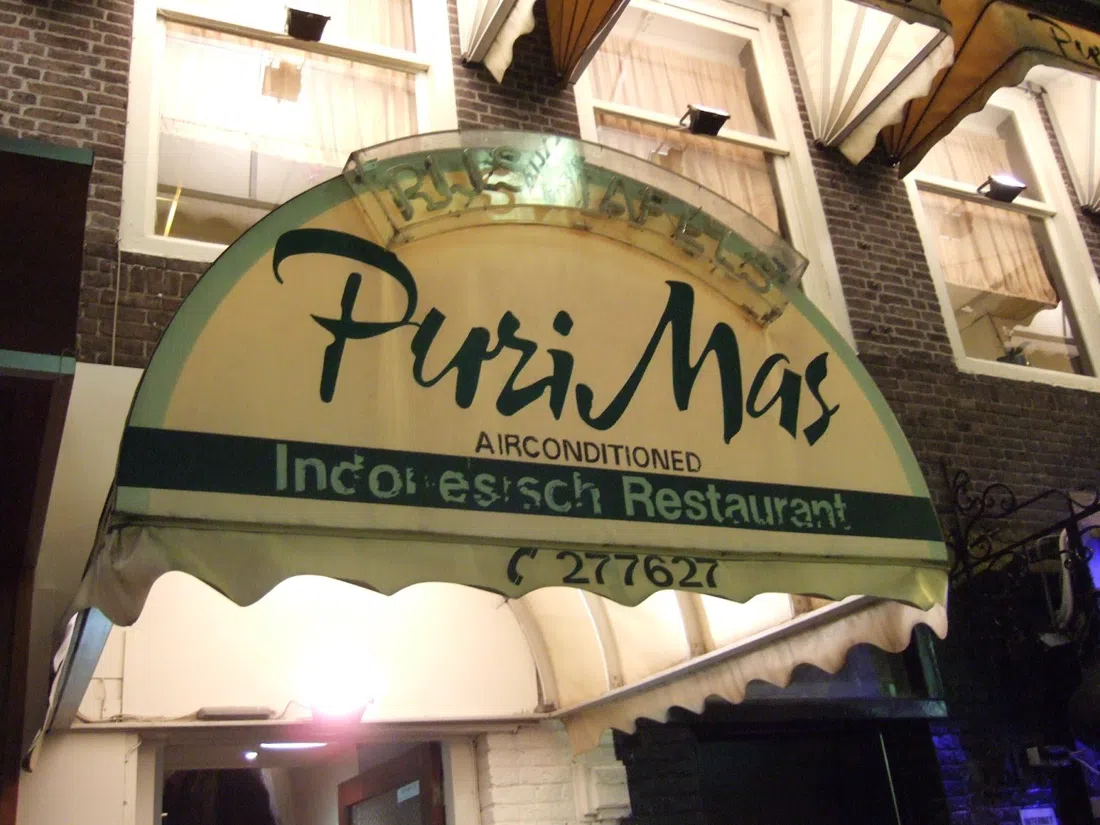
Puri Mas has been running since 1989 and is built, quite deliberately, for the visitor staying near Leidseplein — its location makes it one of the easiest rijsttafel restaurants in the city to fold into a group itinerary or a tour party, and it handles both comfortably. Portions are generous, service is batik-clad and unhurried, and a vegetarian rijsttafel is available alongside the standard one, which is a genuine convenience for mixed-diet groups. Expect to pay roughly €35-40 per person. It won't be anyone's most memorable meal in the city, but it's one of the most dependable.
Long Pura sits in the Jordaan and is a Bali-themed rijsttafel institution, open nightly from 17:30 and set up squarely for multi-person rice tables — it takes group reservations readily and is priced at €€€. It's popular enough that reviews flag tipping pressure as a recurring gripe, which is worth knowing before the bill arrives rather than after; go in expecting the service style and it won't sour the evening.
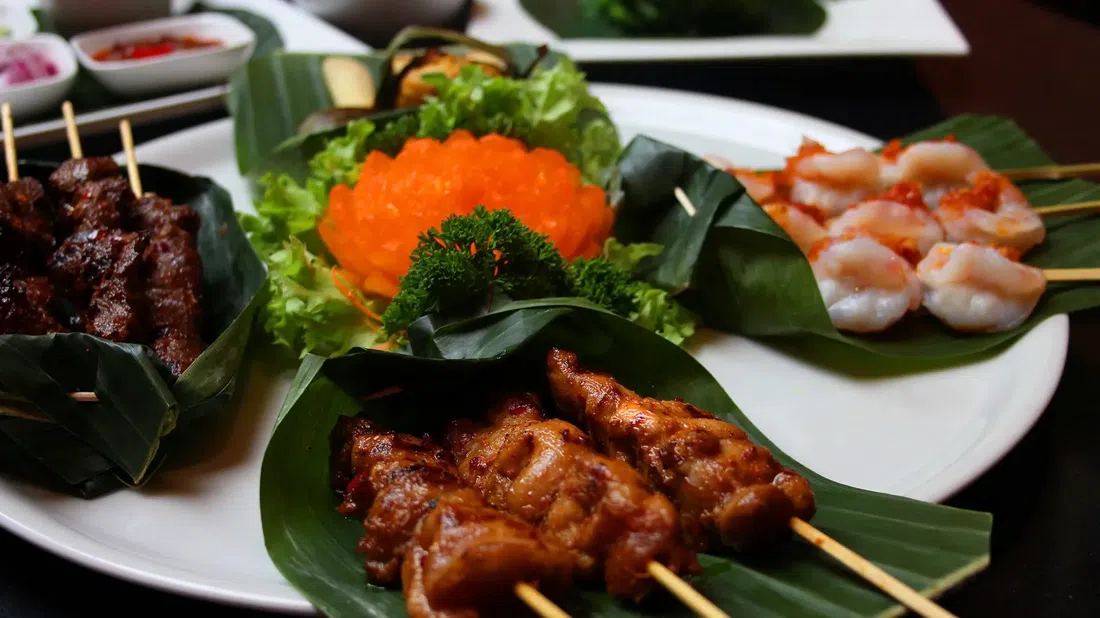
Mama Makan takes a different approach to the format entirely: instead of the crowded single tray most rijsttafel restaurants serve, it paces the rice table out as a five-course sequence, which suits travelers who want the tradition without the sensory overload of a dozen dishes landing at once. It's built for events — birthday and corporate group menus are arranged directly with the restaurant — and sits at the €€€ level. Worth calling ahead if you're planning a celebration rather than just showing up.
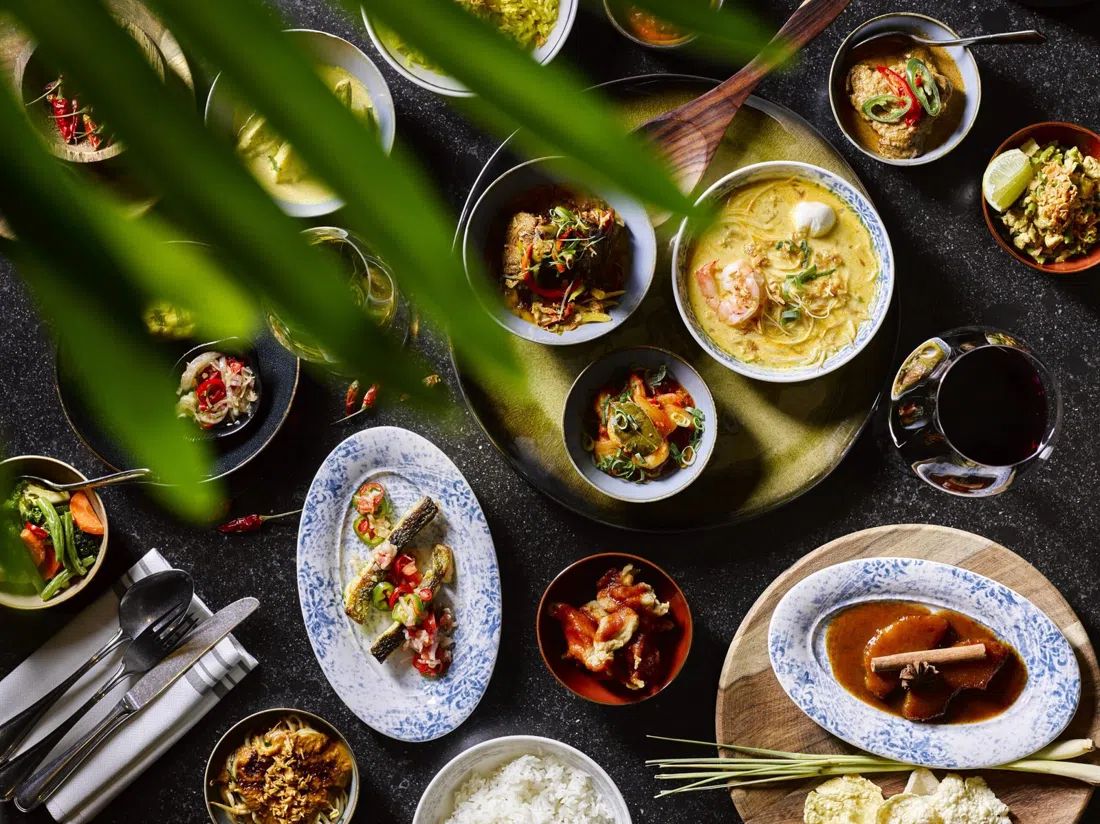
Beyond the Java Template
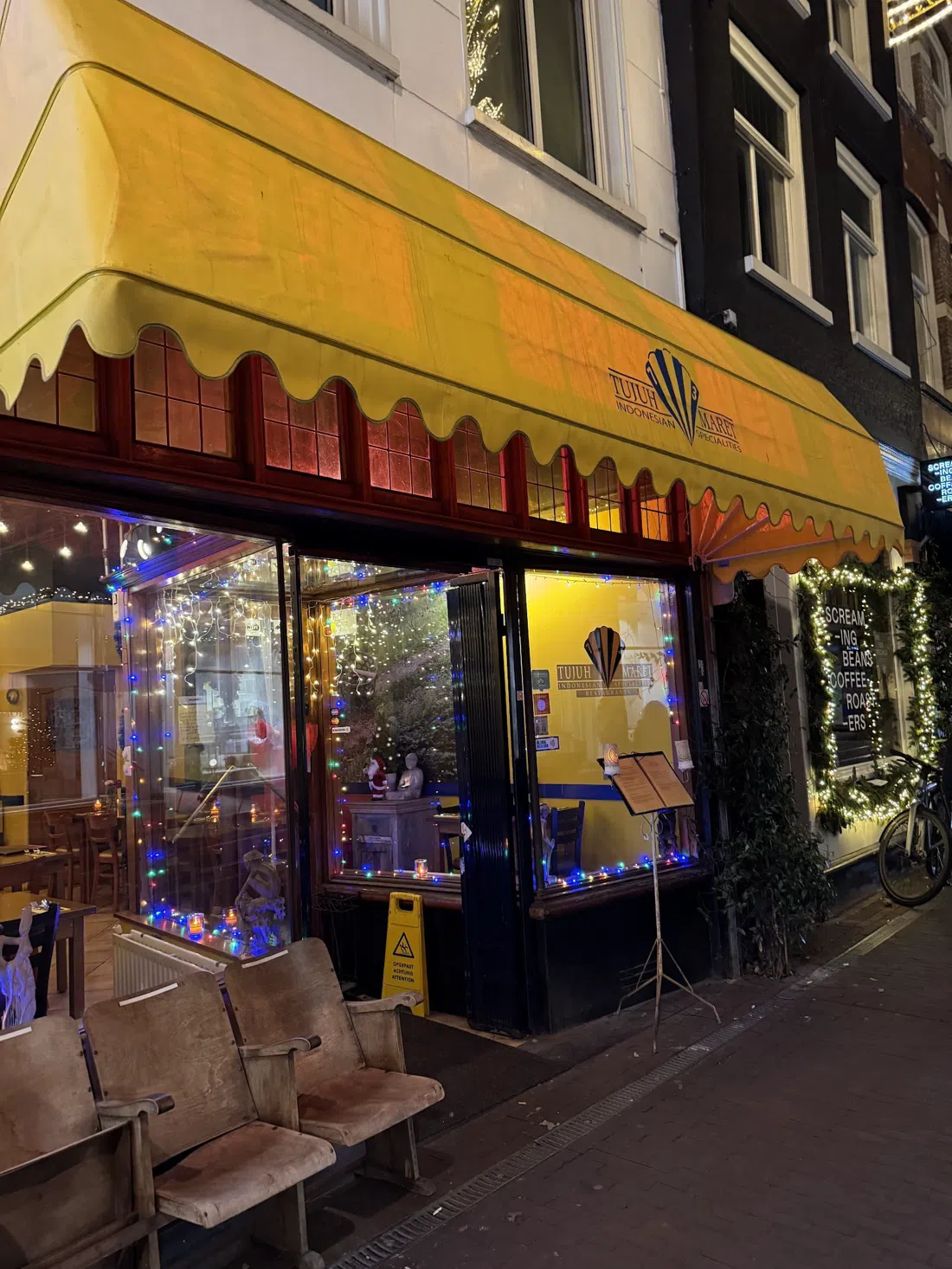
Tujuh Maret breaks from the Javanese style that defines most of this list and serves Manado (Minahasa) cooking from North Sulawesi instead — a sharper, more citrus-and-chile register that catches out visitors who assume they already know what rijsttafel tastes like. The Minahasa rijsttafel is €39.50 per person and is built for two or more diners; a separate vegetarian rice table at €35.50 makes it a genuinely good option for mixed groups where not everyone eats meat. If you've only had the softer Dutch-Javanese version elsewhere on this list, this is the one that reframes the whole tradition.
Purnama, on Javastraat in the Indische Buurt, is the newest name in this guide and it wears its location on its sleeve — the neighbourhood is literally named for the colonial-era Indies connection the entire tradition stems from. The format here is modern shared-plate rather than the classic tray-and-procession style, with meat, fish and vegetarian rijsttafels all available and built for groups. A rijsttafel runs around €52.50 per person, reflecting its more contemporary kitchen and bar concept rather than a strict recreation of the old-school template.
After Dark, Across the Ocean, Behind the Counter
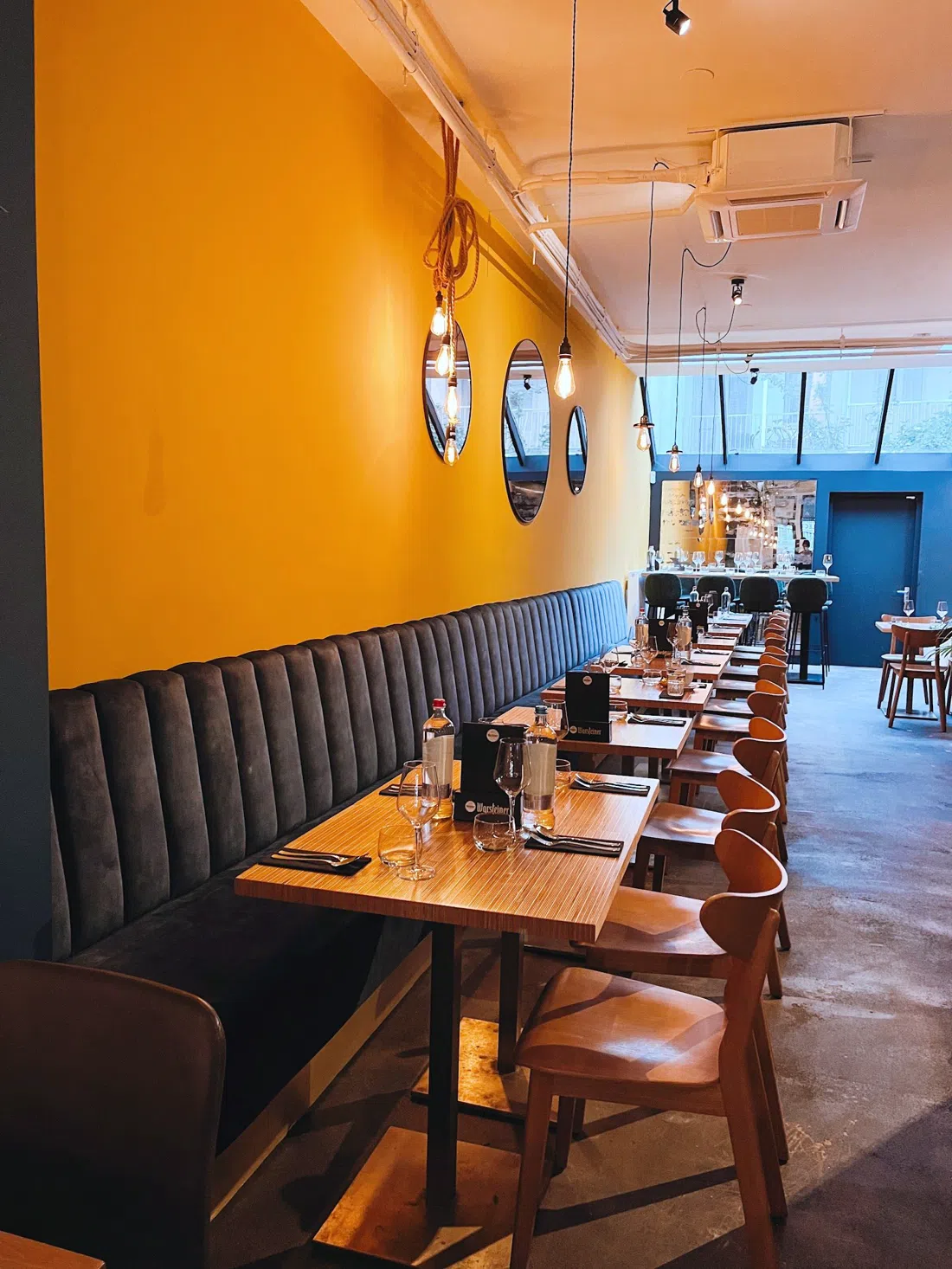
Bojo isn't trying to be anyone's fine-dining rijsttafel — it's a no-frills, 40-plus-year-old institution famous for staying open until 2am, with quick service built for turning tables late at night and no fuss about big walk-in groups. Most mains run €15-20, making it the cheapest hot meal on this list by some distance, and it's the natural landing spot after a late night out rather than a booked-ahead dinner destination.
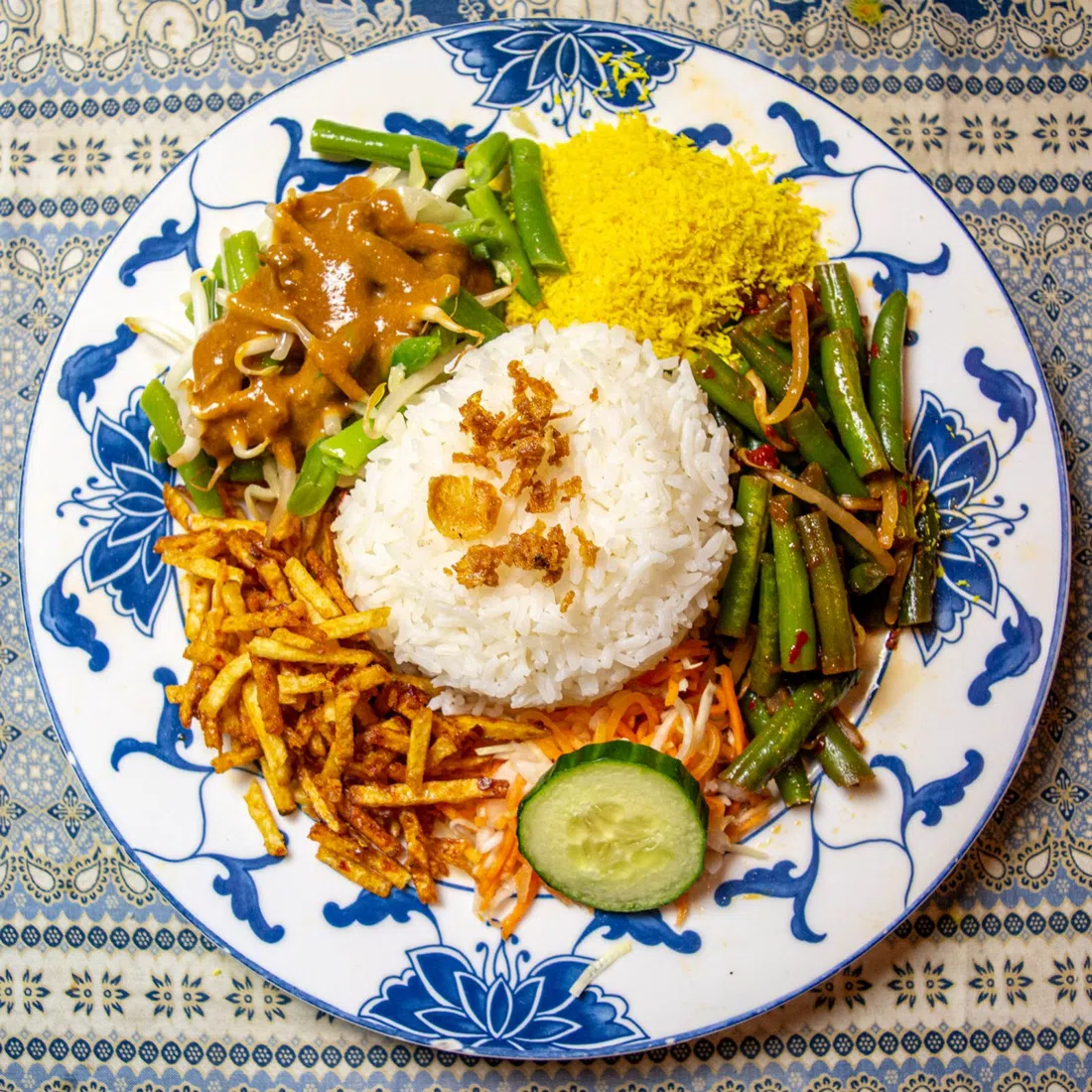
Warung Spang Makandra is the one restaurant here that isn't rijsttafel at all, and it earns its place precisely because it isn't: it serves Javanese dishes as they evolved through Suriname, a separate branch of the same displaced-cuisine tree, shaped by a different colonial migration of indentured Javanese labourers sent across the Atlantic rather than to the Netherlands directly. The room is tiny — about 20 seats — which makes it a strong choice for a pair or a small group but genuinely unworkable for a party of eight; reservations are recommended even for two. Most dishes run under €15. It's an Anthony Bourdain favourite for good reason, and worth the detour even for readers who've already eaten their way through the rest of this list.
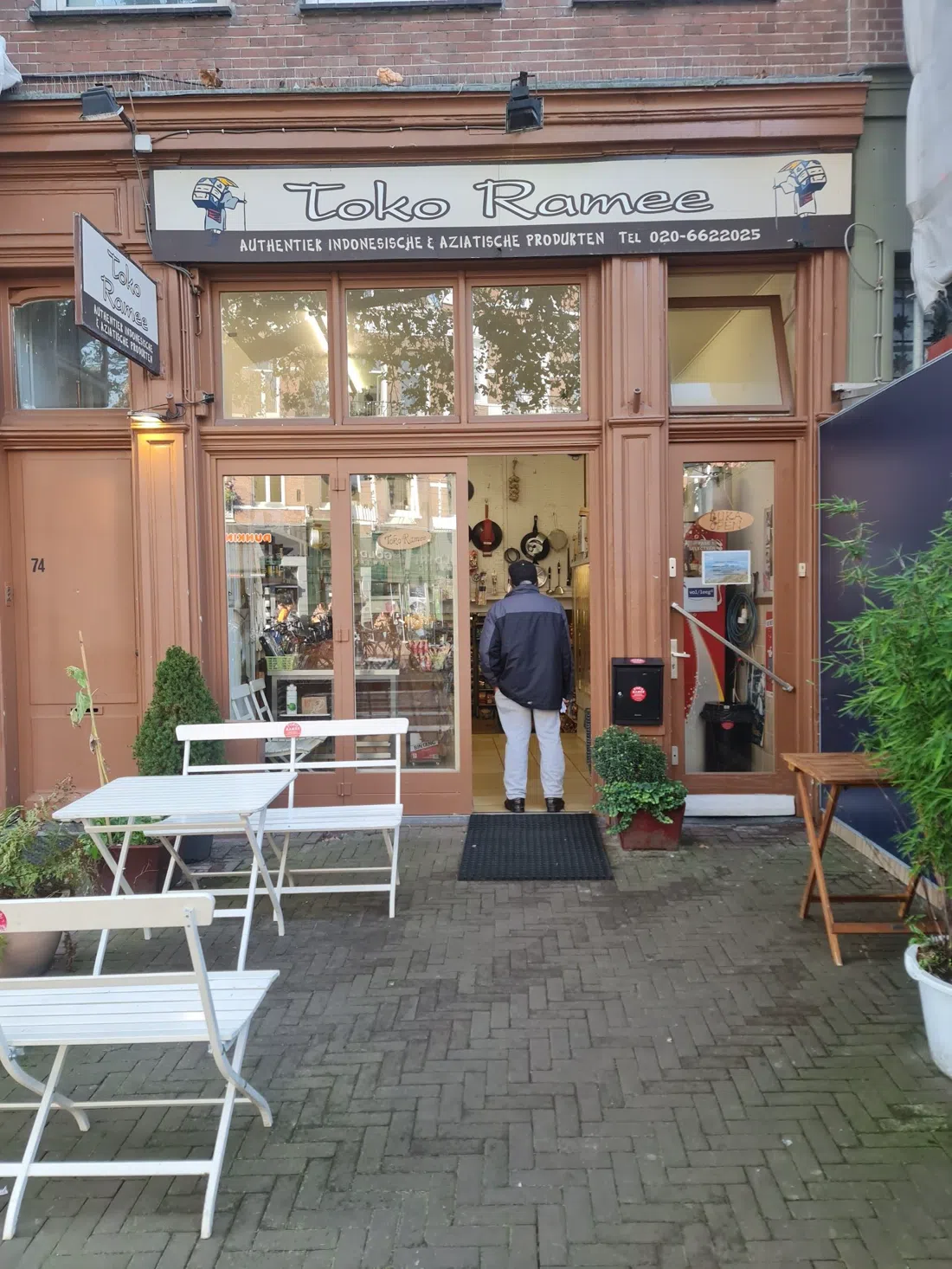
Toko Ramee is the closest thing on this list to a museum you can also shop and eat at: a 50-plus-year-old family-run toko with a single table and two chairs, built for a solo visit or a pair rather than any kind of group booking. This is where the rijsttafel tradition's other half lives — home cooking and pantry culture rather than restaurant theatre — and the real reason to go is to buy sambal and other pantry staples to take home, with a quick meal at the counter as a bonus rather than the main event. Takeaway dishes and sambal mostly run under €10.
Planning Your Rijsttafel: Transport, Cash, Timing and Budget
Most of these restaurants sit within easy reach of Amsterdam's tram network rather than the metro, and none of them require a car — if anything, driving is a liability given the city's parking. Book ahead wherever a restaurant says to; rijsttafel is a slow-cooked, multi-dish format that kitchens plan around covers, and several of these rooms (Sama Sebo, Tempo Doeloe, Restaurant Blauw for larger parties) genuinely cannot absorb a walk-in group without notice. Arrive hungry and early rather than late — a proper rijsttafel is a two-hour-plus commitment once the dishes start arriving, and rushing it defeats the point. Card payment is standard across all of these restaurants in 2026, but it's still worth carrying some cash for smaller places like Toko Ramee and Warung Spang Makandra, where a card minimum or a system hiccup is more likely to be a mild inconvenience than at the larger dining rooms. On budget, expect roughly €15-20 for a casual meal at Bojo or a takeaway plate from Toko Ramee, €30-40 per person for a full rice table at Sama Sebo, Restaurant Blauw, Puri Mas or Tujuh Maret, and €50-90-plus per person for the more elaborate spreads at Purnama, Long Pura, Mama Makan and Blue Pepper. If you're building a longer stay around this itinerary, the Amsterdam hotel search is the place to start — staying near Leidseplein or the canal ring puts most of this list within a short tram ride or a walkable evening.