The Amsterdam issue
A First-Timer's Unhurried October Weekend in Amsterdam
Three bookings need doing early: the museums, the boat and the small dining room. Everything else in Amsterdam gets easier once those are done.

By Robin HaasThe slow way through Amsterdam's canals, courtyards and back streets
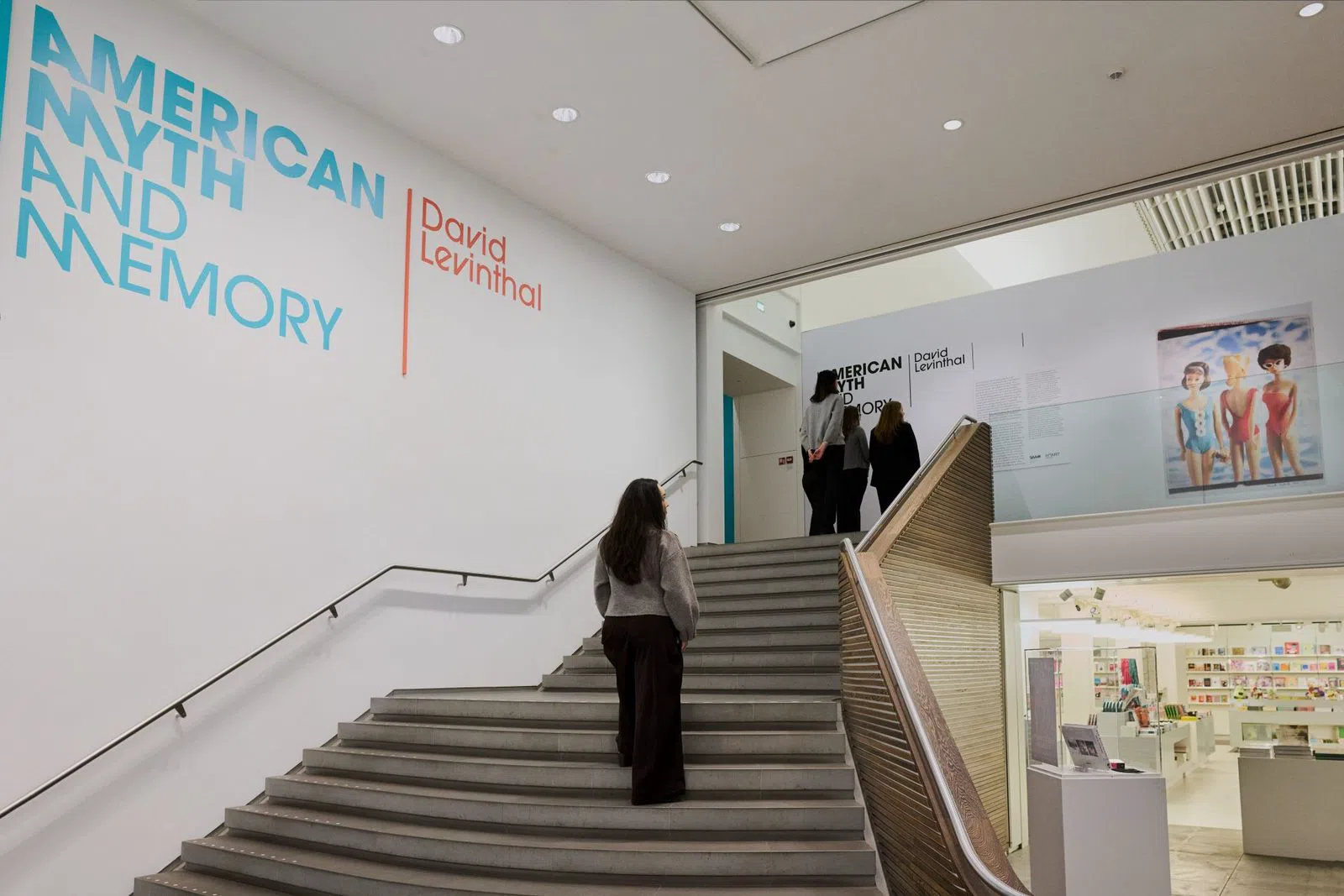
Before nine in the morning in October the canal water sits flat and dark, the bridges carry commuters rather than visitors, and the museum squares are empty enough to cross diagonally. From about ten until five the city fills, and after five it empties again in the same order it filled. A first weekend here works if you accept that rhythm rather than fight it: three things booked well in advance, everything else arranged around the quiet hours at either end of the day.
Three bookings that decide the weekend
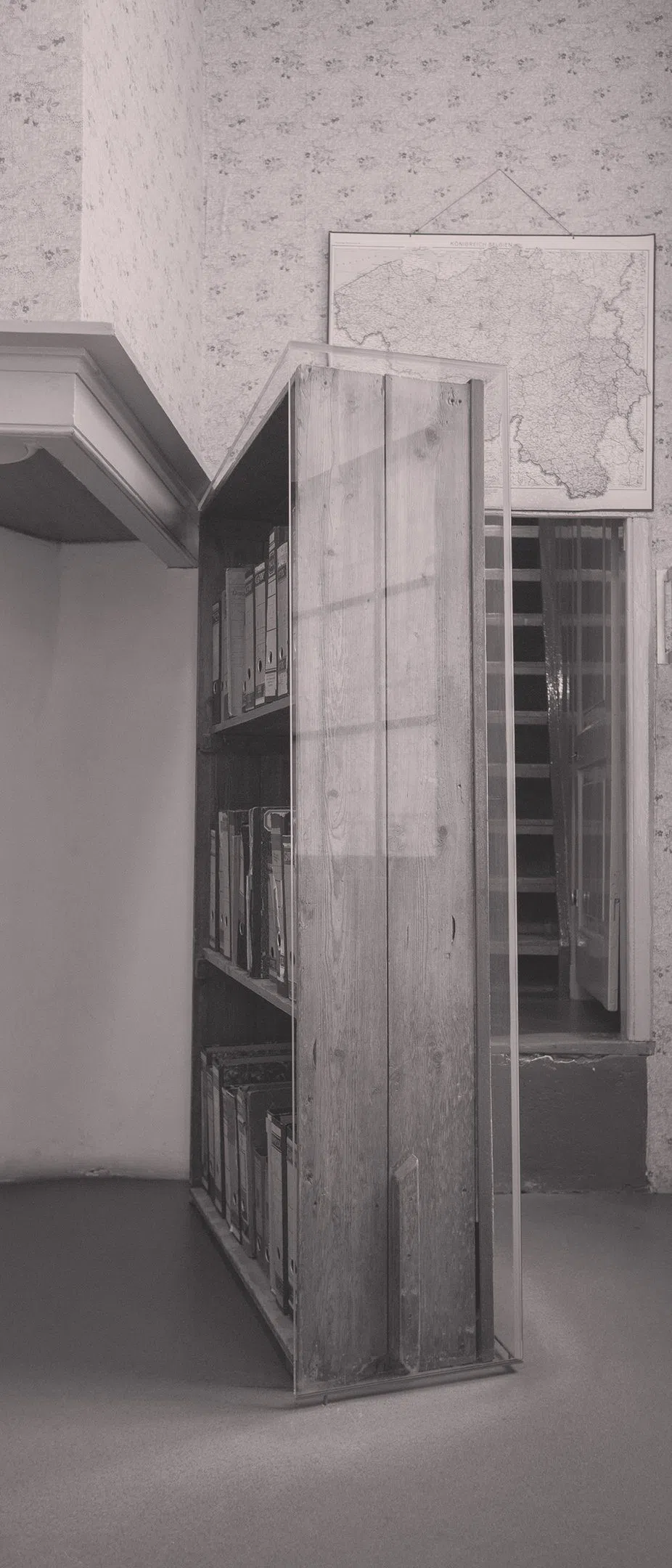
Start with the booking that ruins itineraries. Anne Frank House (Westermarkt, on the Jordaan edge of the canal ring) releases tickets online every Tuesday at 10am CEST for a date six weeks later, and sells nothing at the door, with no exceptions for early arrivals or rain. Set an alarm for that Tuesday before you book flights, because the flights are easier to move than the ticket. Adults are €16.50, ages 10–17 are €7, under 10s are €1, and the booking fee is already in those numbers. Everyone needs their own timed ticket, no bags are allowed inside, and the staircases are single file, so this is a place for couples, solo travellers and pairs of friends. A group of eight will not move through it as a group; they will move through it as eight people who happen to arrive together.
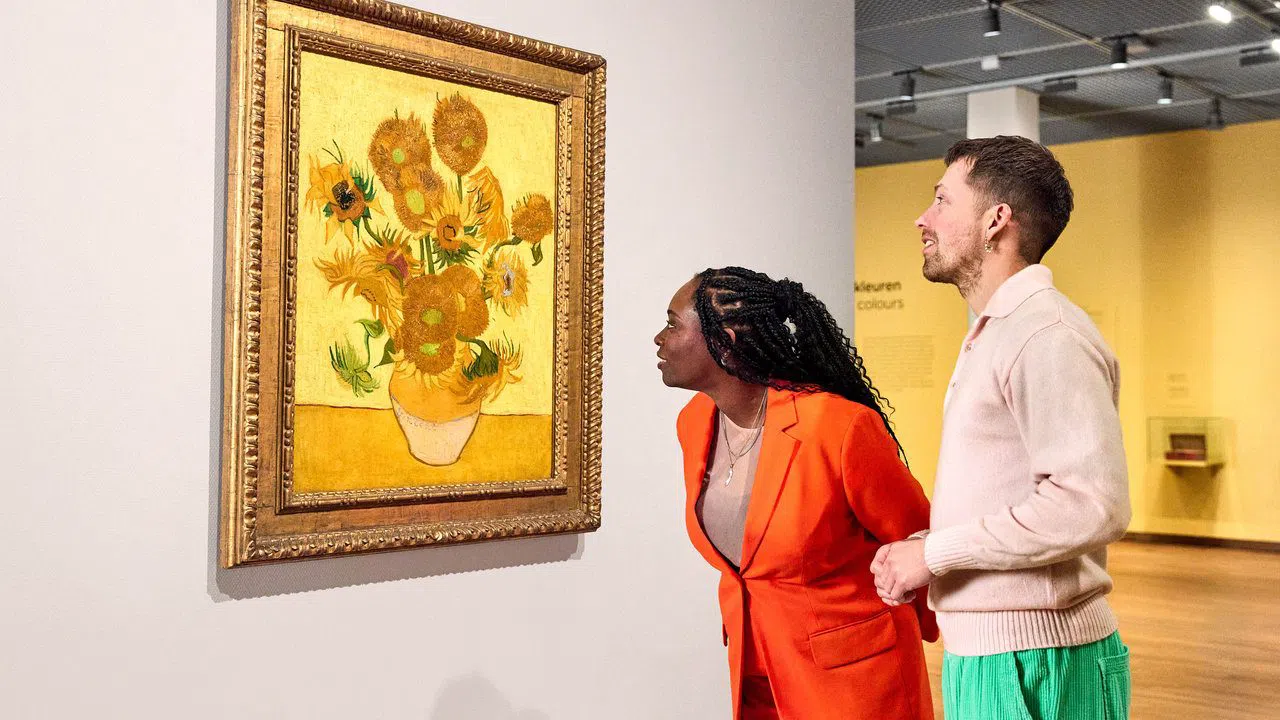
Second, Van Gogh Museum (Museumplein, in the museum quarter south of the centre). Strictly timed entry, nothing sold at the door, €25 for adults, under 18s free, audio guide €3.50. Book weeks ahead or you will stand outside reading the same sign as everyone else who assumed a Saturday slot would appear. October is the better half of the year for it: the shorter 9am–5pm winter hours only begin on 2 November, so an October weekend still gets the longer day, and Friday evenings run until 9pm year-round. A Friday night slot is the most civilised way to see it, because the school parties have gone and the light in the galleries is artificial anyway.
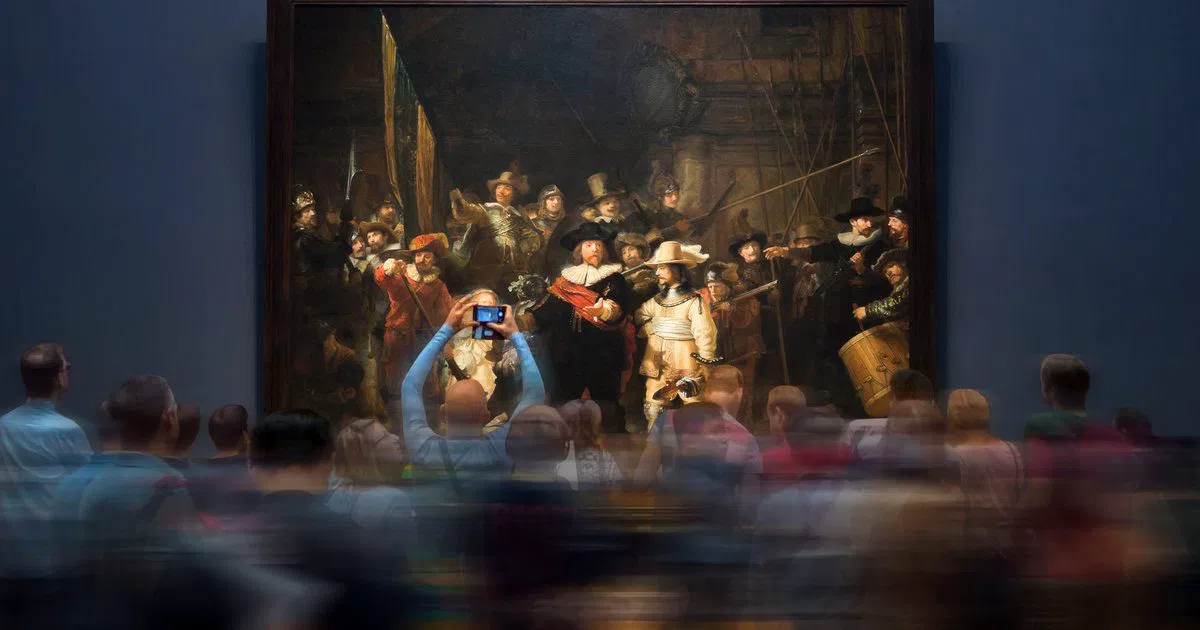
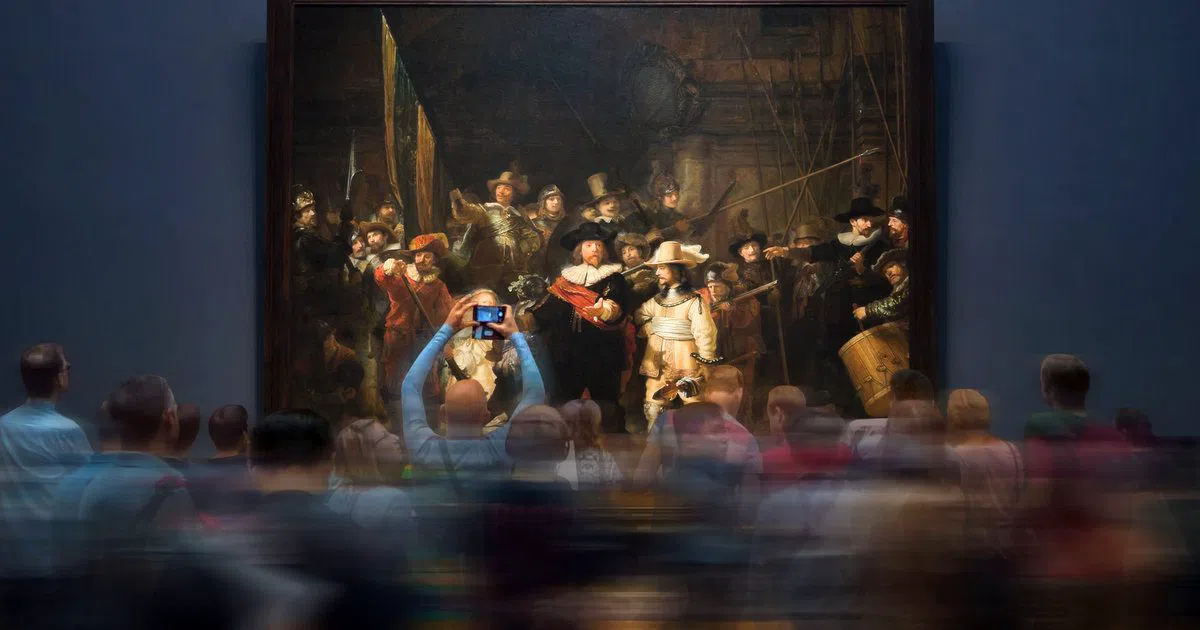
Third, Rijksmuseum (Museumplein, a few minutes' walk from the Van Gogh across the same square). Open daily 9am to 5pm, €25 for adults, under 18s free, timed entry required for everyone including children. The first hour, before 10am, is the only quiet slot in the building. After that the Gallery of Honour becomes a slow shuffle. If you are travelling with a group, book through the museum in advance; group bookings and guided tours are arranged that way rather than by turning up with twelve people and a plan. If you only have room for one large museum on a first visit, make it this one.
That is the whole of the compulsory admin. Do it in one sitting, weeks out, and the rest of the weekend can be decided over breakfast.
Plan your Amsterdam trip
Live prices from our booking partners.
Free cancellation on many rooms. We may earn a commission when you book.
Museums with room to breathe
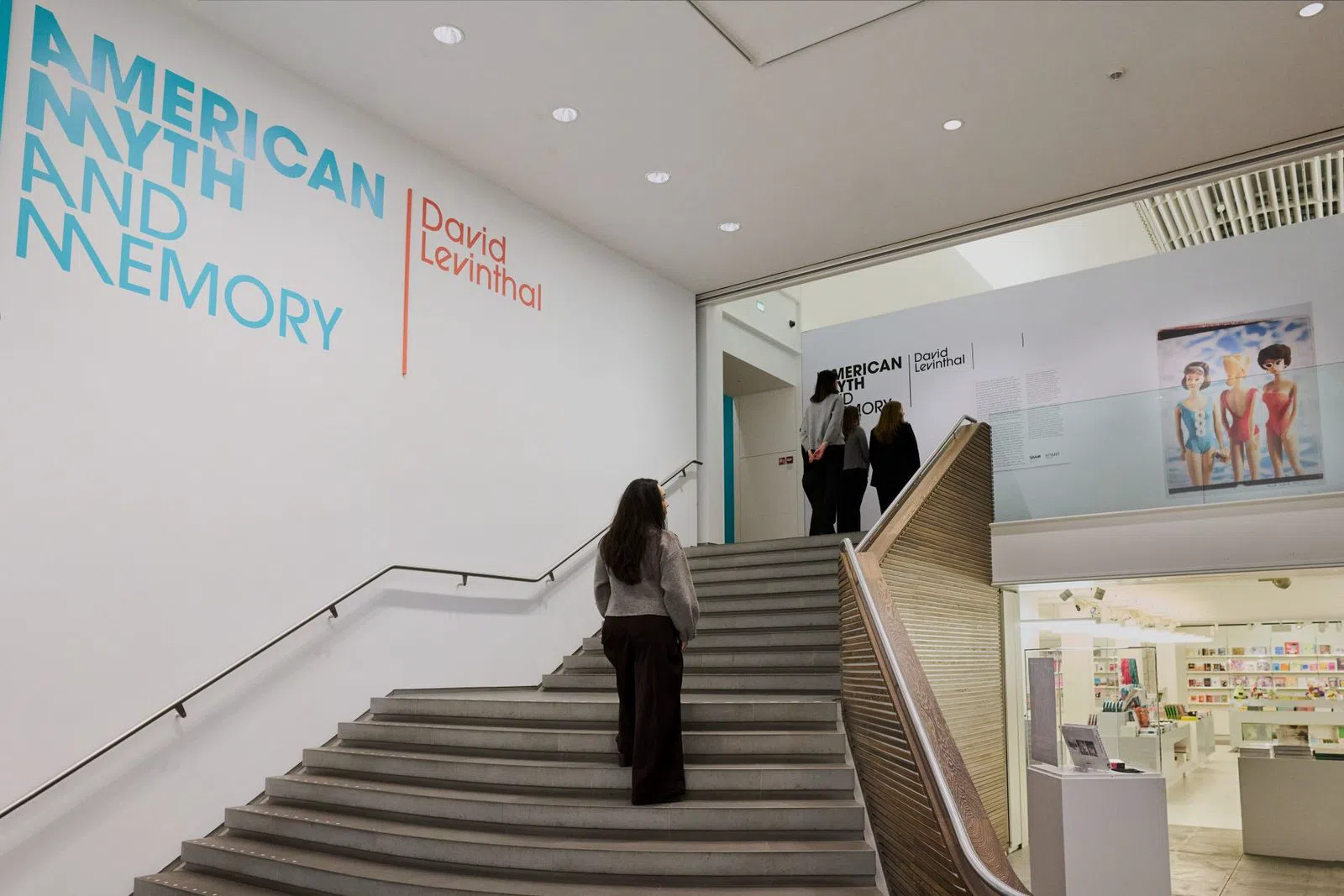
The Museumplein pair are not the only serious art in the city, and in October they are not the most comfortable. H'ART Museum (on the Amstel, at the Plantage end of the centre) has large-format galleries and enough elbow room that you can stand back from a painting without apologising to someone. It rebranded from Hermitage Amsterdam in 2023, so older guides and half the blog posts still send people looking for a name that no longer exists on the building. Tickets run roughly €20–25 depending on the exhibition. 'Chez Matisse', made with the Centre Pompidou, opens on 3 October 2026, which makes this the strongest show in town for an October weekend and the one I would book if the Van Gogh slots have gone. Groups are handled comfortably here and guided tours are bookable.
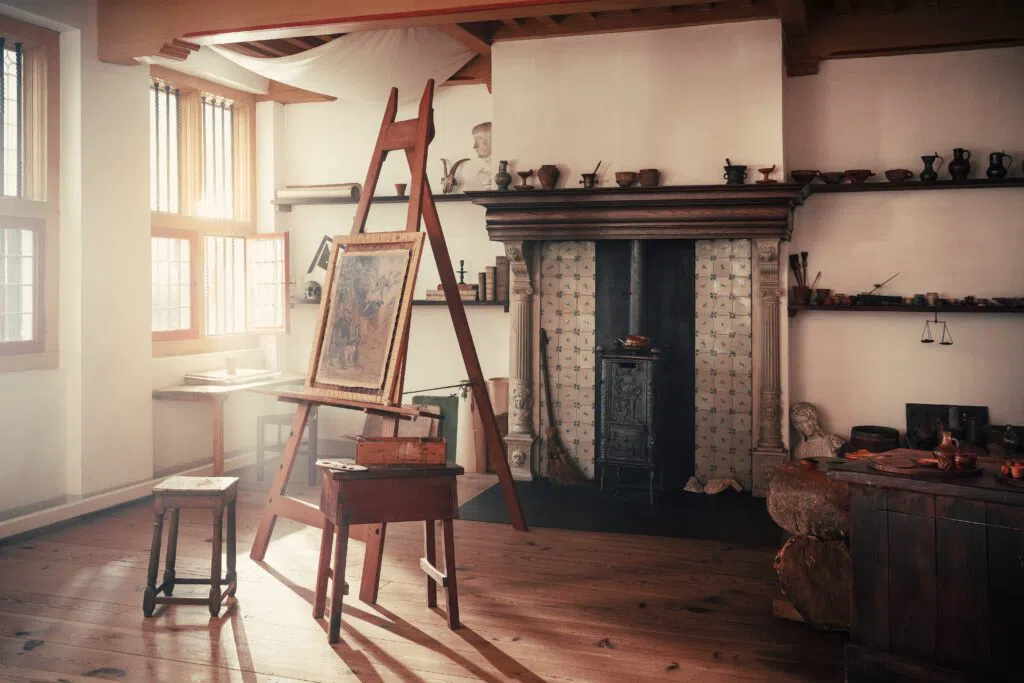
Museum Het Rembrandthuis (Jodenbreestraat, by Waterlooplein) reopened in 2023 with roughly a third more space after a four-year rebuild, and it earns its ticket, around €20, through the demonstrations rather than the rooms. Etching and pigment-grinding run through the day, which is the difference between a house you walk through and a workshop you watch. The 'Experimentation' exhibition runs from 25 September 2026 to 3 January 2027, so it is on for the whole of October. Small groups do well here; the demonstration bench holds a handful of people at a time.
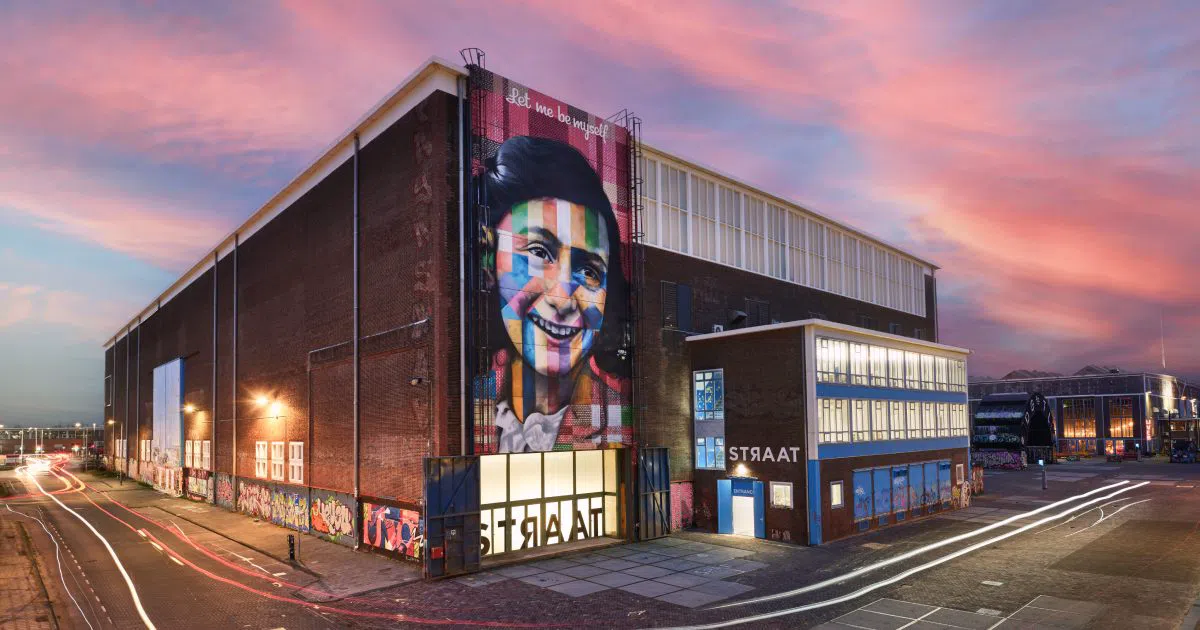
Across the water, STRAAT Museum (NDSM, in the north) is the easiest museum in the city to walk into. It has a huge floorplate, no queues inside, and group tickets and guided tours if you want them. Adults are €21.50, students €13.50, ages 13–18 €11.50, under 13s free. The free F4 ferry from behind Centraal takes about fifteen minutes and runs regardless of weather. One catch: tickets are date-stamped and each day sells out, so book the day rather than trusting the size of the building.
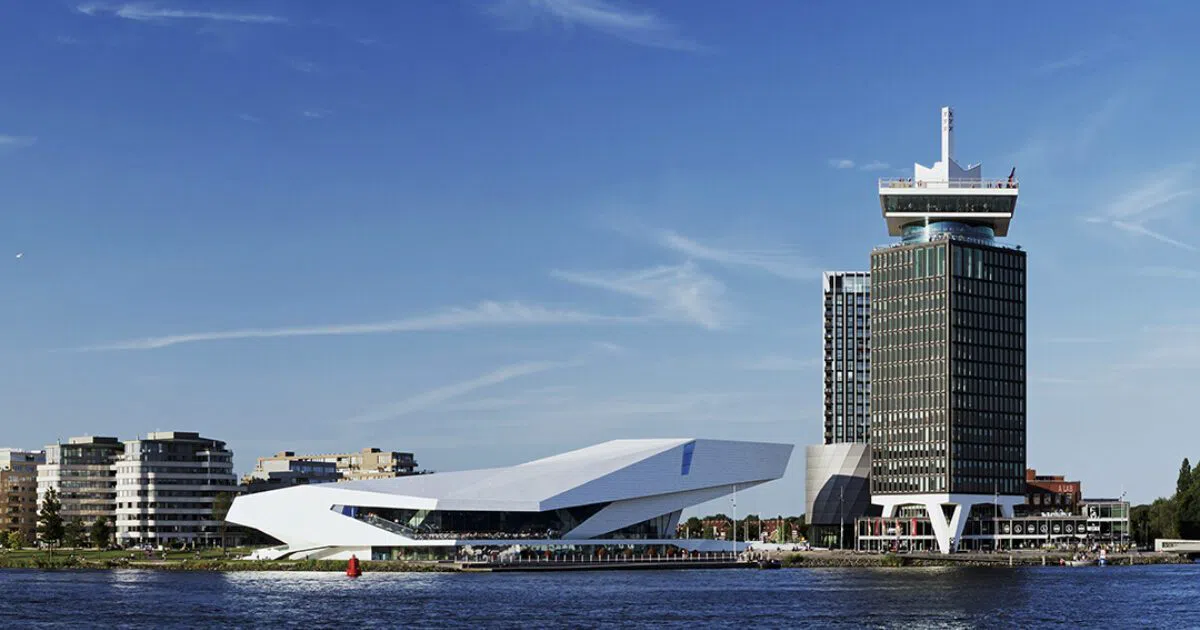
Eye Filmmuseum (Overhoeks, three minutes from the ferry pier in the north) is the best-value wet afternoon in Amsterdam, because you can sit in it for nothing. The building, the café and the terrace are free to enter; only the exhibitions charge, at roughly €12–15, and screenings take numbers. It is open daily from 10am to 7pm and the free F3 Buiksloterweg ferry runs 24 hours a day, so there is no closing time to plan around on the return. The café-restaurant seats large tables, which makes it one of the few places in this article where a group of ten can sit down without a phone call in advance.
Two markets, two very different clocks
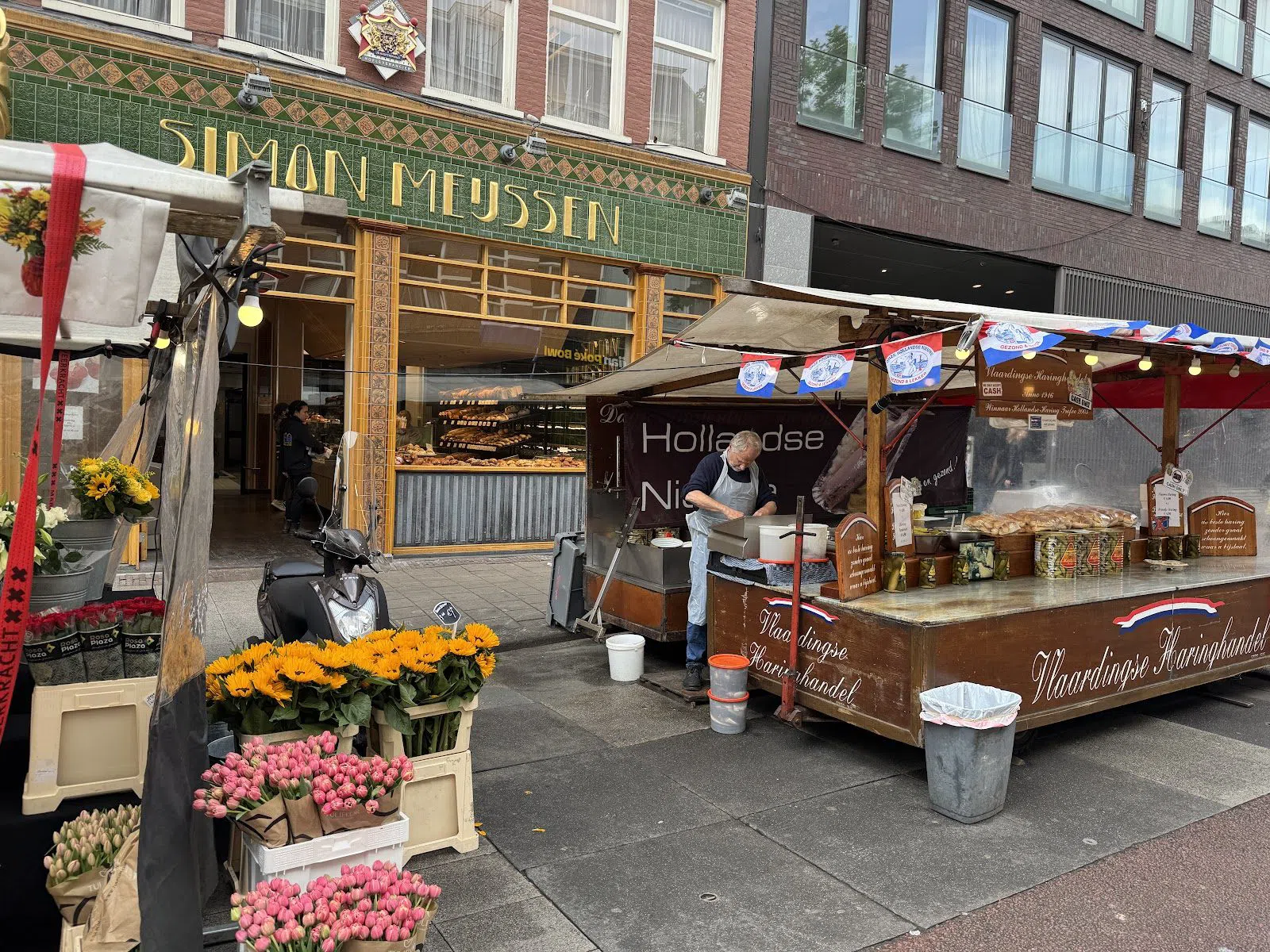
Albert Cuypmarkt (De Pijp) is a street market with no booking, no door policy and no group limit: you walk it, free, with snacks at €2–8. The clock matters more than the map here. It runs Monday to Saturday, roughly 9am to 5pm, and is closed on Sunday, which catches out weekend visitors who assume a market is a weekend thing. Stalls start packing down from 5pm, so late afternoon is thin. Go early, before the aisle becomes a shuffle.
Biologische Noordermarkt (Jordaan, on the square by the Noorderkerk) is the Saturday organic farmers' market, roughly 9am to 3pm, free to browse, with market food at €3–10. On Monday mornings the same square turns into antiques and flea stalls until about 1pm. The aisles between stalls are tight mid-morning, so a group of six should expect to travel in single file and regroup at the edge. It is genuinely local in a way the Bloemenmarkt is not: the last real florist there shut in 2019, and what remains is a souvenir row. Skip it and spend the hour here instead.
The canals from water level
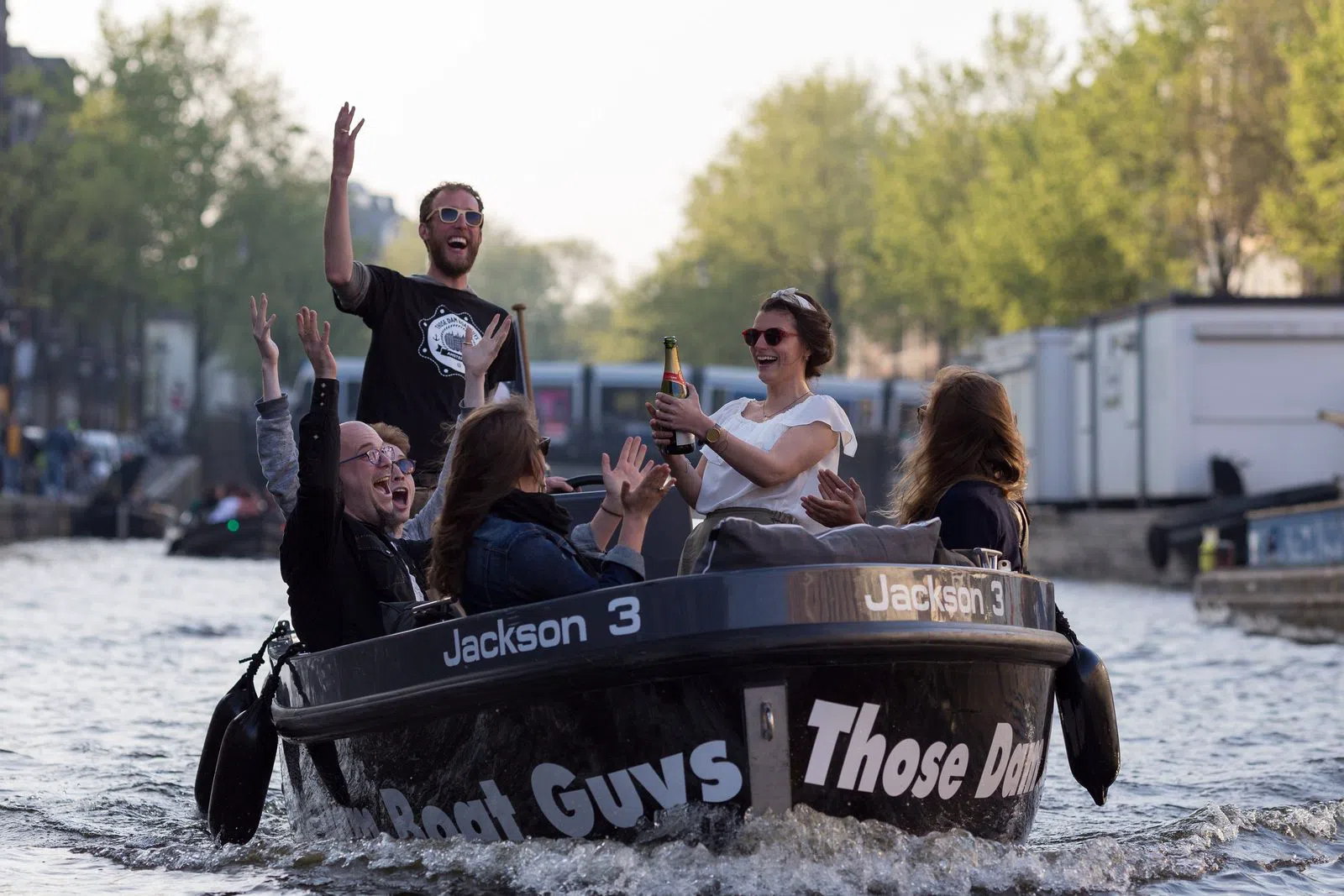
One boat trip is worth it on a first visit, and the size of the boat decides whether it is worth it. Those Dam Boat Guys (departing near the Anne Frank House) run roughly twelve seats per boat for a 90-minute public tour at about €30–35 a head, and take private charters if your group wants the whole boat. Twelve seats in an open boat beats eighty seats under a glass roof for actually seeing the canal houses, the bridges and the water, and glass roofs fog in October. It books out days ahead, so put it in the same booking session as the museums. If you are a group of ten or twelve, the charter is the sensible call rather than trying to get consecutive seats on a public departure. Look at the Amsterdam hotel search for somewhere in the western canals or the Jordaan and you can walk to the departure point rather than budgeting a transfer.
Eating when nobody in the group will commit
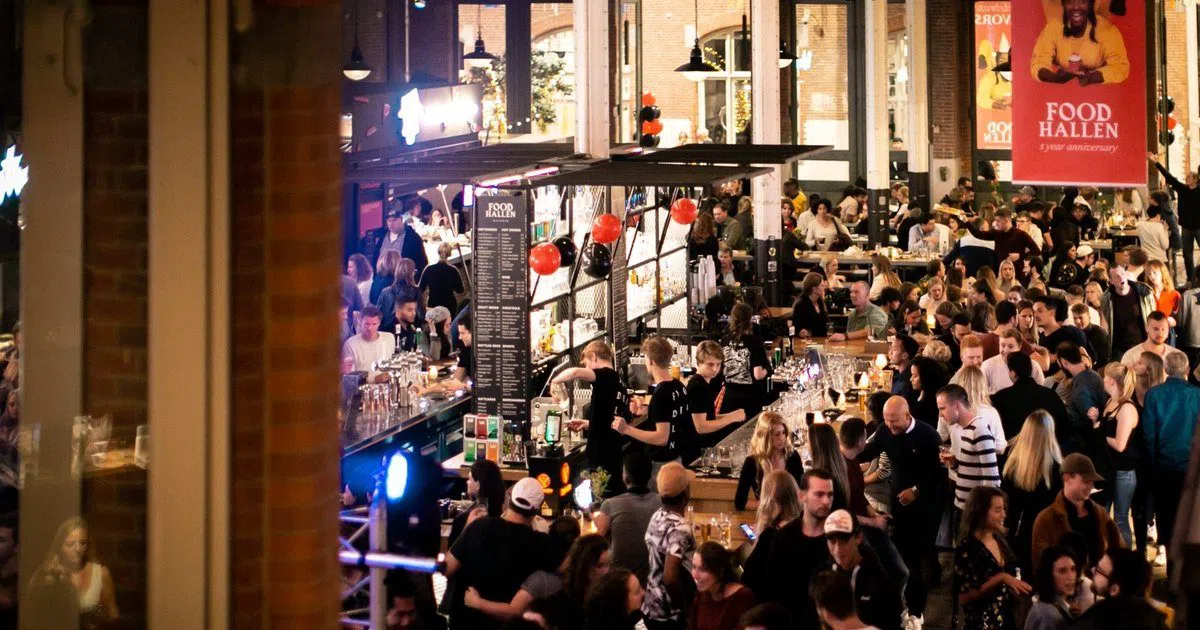
Foodhallen (Oud-West, inside the De Hallen complex) exists for exactly this problem: nineteen stalls and three bars, open daily from noon to 11pm and closed only on Christmas Day. Plates run €10–20 and drinks €5–8. There are no reservations, for any group size, so the only tactic that works is to send one person ahead to hold a table while the rest order. Arrive before 6pm on a Friday or Saturday or you will eat standing up with a plate balanced on a ledge, which is fine at 25 and less fine with luggage.
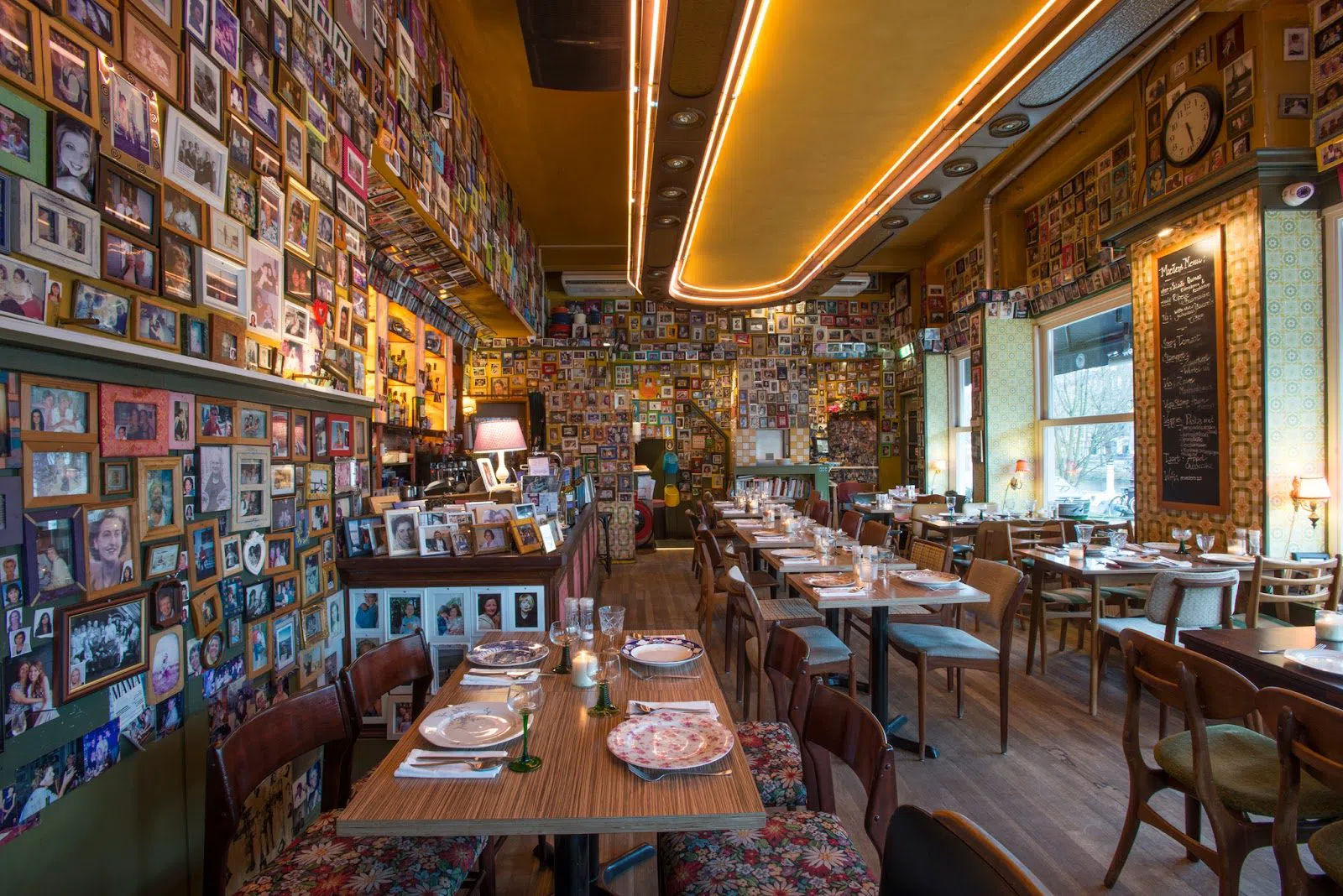
Restaurant Moeders (Jordaan) is the opposite proposition: 36 seats, traditional Dutch cooking, mains €20–30, open evenings from 5pm with the kitchen closing at 10pm. Standard reservations cap at six or seven people, and anything larger has to be arranged directly with the restaurant in advance as a group menu. Book it the week before at the latest. A room this small is the first thing to fill on an October weekend, and there is no bar to wait at.
Two rooms worth drinking in
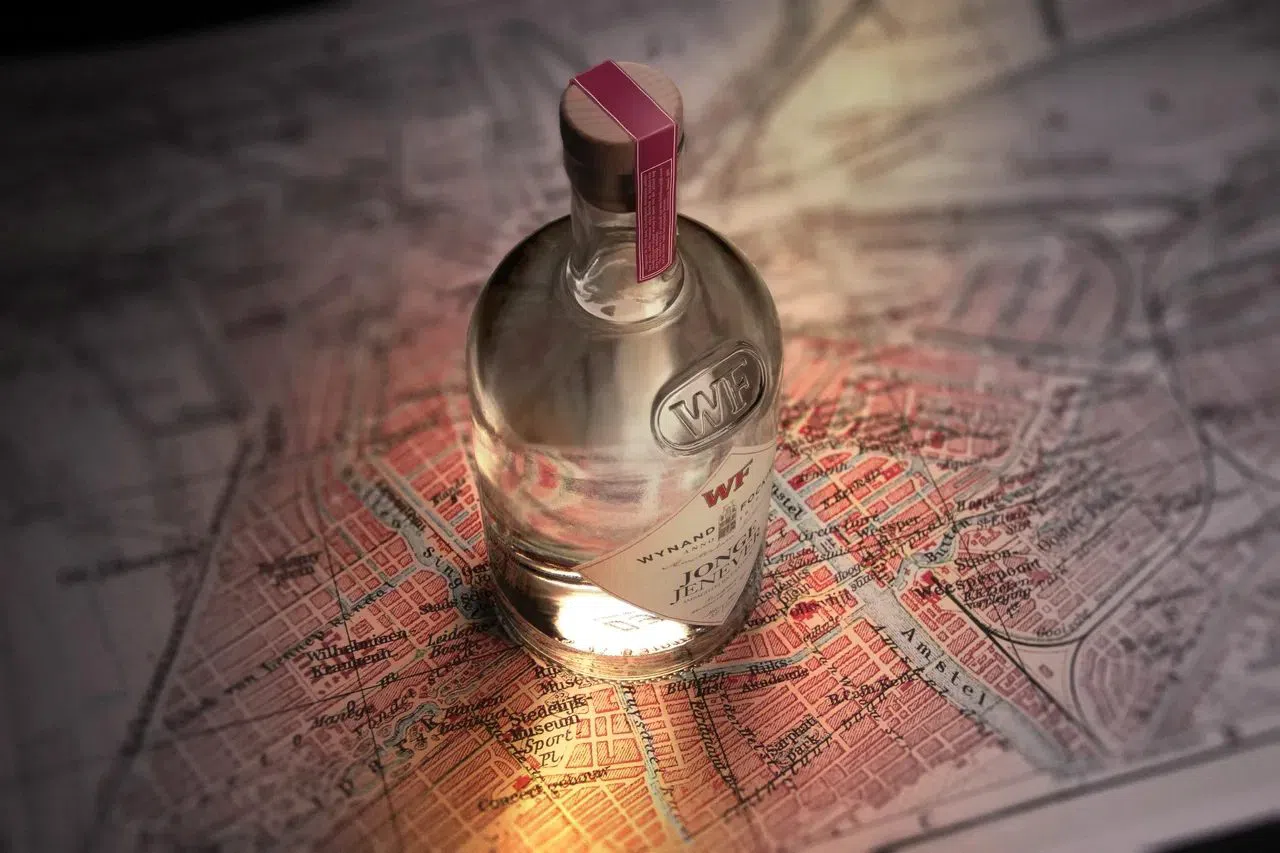
Proeflokaal Wynand Fockink (in the centre, tucked behind the Dam) is a jenever tasting room, open daily 2pm to 9pm with last orders at 8.45pm. Glasses are €6–9 and a three-pour flight is around €17.50 at weekends. It is standing room only and takes no reservations for the tasting room, so expect a short queue after 6pm; distillery visits are bookable separately, and parties of eight or more must reserve well ahead. The glasses are filled to the brim, which is why you bow to the first one and drink the top off it before lifting it. That is the whole ritual, it takes ten seconds, and nobody minds if you get it slightly wrong.
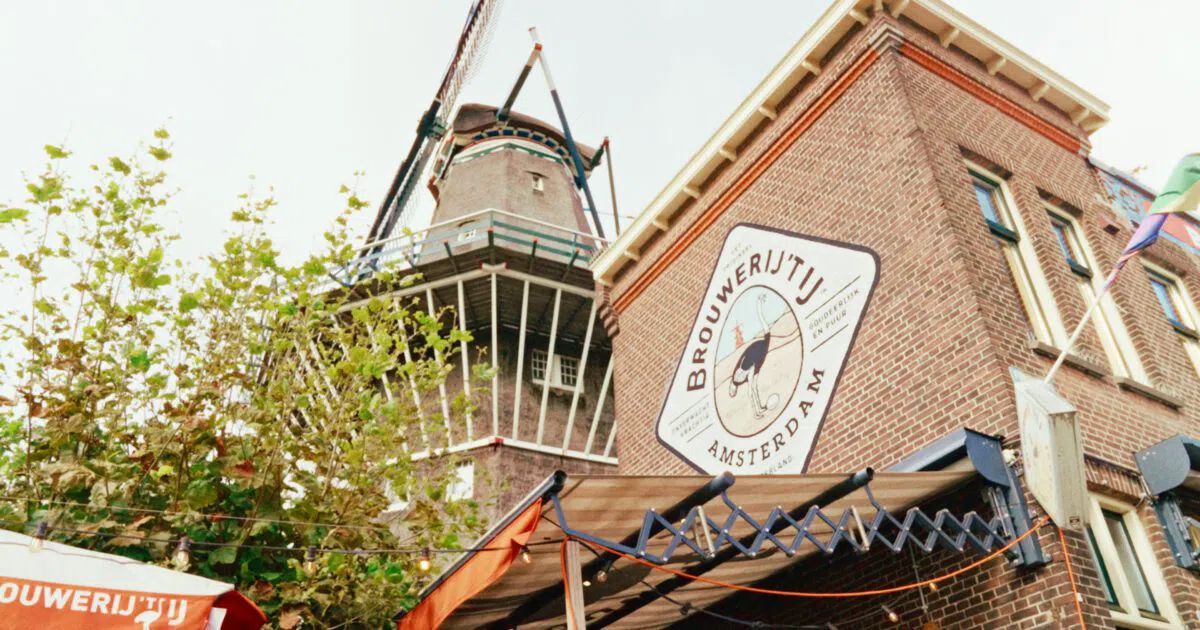
Brouwerij 't IJ (Oost, beside the De Gooyer windmill) opens its tap room from 2pm, with beers at €4–6 and tasting flights around €12–18. Tables are bookable online and group tastings and brewery tours can be arranged in advance, which makes it the easiest place in this article for eight people to sit down together. Two honest notes: the opening hours have shifted around more than once, so confirm the day before you travel rather than trusting a printed guide, and the windmill is not open to the public. You drink beside it, not inside it.
One morning out of the city
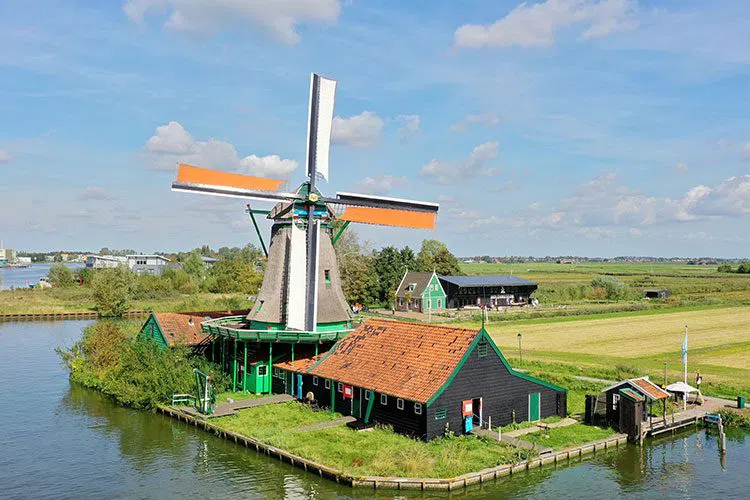
If the weekend has a spare morning, Zaanse Schans (a working windmill village north of the city, reachable by train) rewards an early start more than almost anywhere else on this list. It is an open-air village with no gate and no group limit, free to walk into; only the individual mills and museums charge, at roughly €5–15 each. The proposed €17.50 entry charge was dropped after a legal challenge, so it remains free to walk in during 2026, and you can ignore anything that tells you otherwise. Arrive before 10am and the dyke is close to empty; arrive at noon and you are photographing other people photographing windmills.
The alternative, and my preference on a wet day, is Teylers Museum (sixteen minutes by train from Centraal, with roughly 148 direct services a day). It is the oldest museum in the Netherlands, lit by daylight alone, which means the rooms change character with the weather and the late afternoon in October is a real consideration. Entry is around €18, and both the Museumkaart and the I amsterdam City Card are accepted. Guided tours are bookable, but the Oval Room is small enough that a large group fills it entirely, so go as a pair or a four. It closes on Mondays most weeks, so check before you commit a morning to it.
Fitting it into two and a bit days
A workable shape: Friday afternoon for the markets and the Jordaan, then the Van Gogh's Friday evening slot, then dinner at Moeders booked the week before. Saturday starts with the Rijksmuseum at nine, breaks for the boat late morning, and gives the afternoon to H'ART or the Rembrandthuis, with Wynand Fockink before 6pm and Foodhallen after. Sunday takes the ferry north for Eye and STRAAT, which need no early start and are indifferent to rain, or the early train to Zaanse Schans if the forecast is kind. Anne Frank House drops into whichever slot the Tuesday release gave you: it dictates the day, not the other way round.
Transport, cash and what it costs
The F3 and F4 ferries behind Centraal are free and need no ticket at all; F3 runs 24 hours. Trams and metro take contactless bank cards directly, so tap in and tap out, and check that you tapped out. Cards work almost everywhere, but carry €20–30 in cash for market stalls and small snack counters, and be aware that a handful of Dutch places are card-only in the other direction. Budget roughly €90–100 a person for the three big museum tickets plus the boat, €25–45 a day on food if you mix market stalls with one sit-down dinner, and nothing at all for the ferries, the markets, the Eye terrace and Zaanse Schans itself. October brings rain in bands rather than all day, so plan an indoor option for each afternoon and let the mornings decide themselves. For neighbourhood-by-neighbourhood detail beyond a first weekend, the Amsterdam guide goes deeper than this itinerary needs to.
Before you go
When do Anne Frank House tickets go on sale?
Tickets go online every Tuesday at 10am CEST for a date exactly six weeks later, and there are none at the door. Every visitor needs their own timed ticket, children included, and you cannot take bags inside. Adults pay €16.50, ages 10 to 17 pay €7 and under 10s pay €1, booking fee included. Set an alarm for the relevant Tuesday before you book anything else.
Can I get into the Van Gogh Museum without booking ahead?
No. Entry is timed and there are no tickets at the door, so you cannot walk up at any hour. Book weeks ahead: €25 for adults, under 18s free, audio guide €3.50. The Friday evening opening runs until 9pm year-round and is usually the calmest slot; the shorter winter hours, 9am to 5pm, start on 2 November.
Which museums are quietest on an October weekend?
H'ART Museum has far more elbow room than the Museumplein pair, and its 'Chez Matisse' show with the Centre Pompidou opens on 3 October 2026. STRAAT Museum is big enough that you never queue inside, though its date-stamped tickets sell out day by day. Entry to the Eye Filmmuseum building, café and terrace costs nothing, which makes it a cheap place to sit out the rain. At the Rijksmuseum, the hour before 10am is the only quiet one.
Is Zaanse Schans still free to visit in 2026?
Yes. A legal challenge saw off the proposed €17.50 entry charge, so the village is still free to walk into during 2026. Only the individual windmills and museums charge, roughly €5 to €15 each. Arrive before 10am and the dyke is close to empty.
Do I need to book restaurants for an October weekend?
For Restaurant Moeders, yes: book the week before. It has 36 seats, standard reservations cap at six or seven people, and you arrange larger group menus with the restaurant directly. Foodhallen takes no reservations, so send one person ahead to hold a table and arrive before 6pm on a Friday or Saturday. Brouwerij 't IJ takes online table bookings and can arrange group tastings in advance.