The Amsterdam issue
Amsterdam by Tram When You Don't Want a Bike
Fifteen tram lines run in Amsterdam. Make one fare decision, learn a handful of stops, and you can reach the door of most things you came to see.

By Robin HaasThe slow way through Amsterdam's canals, courtyards and back streets
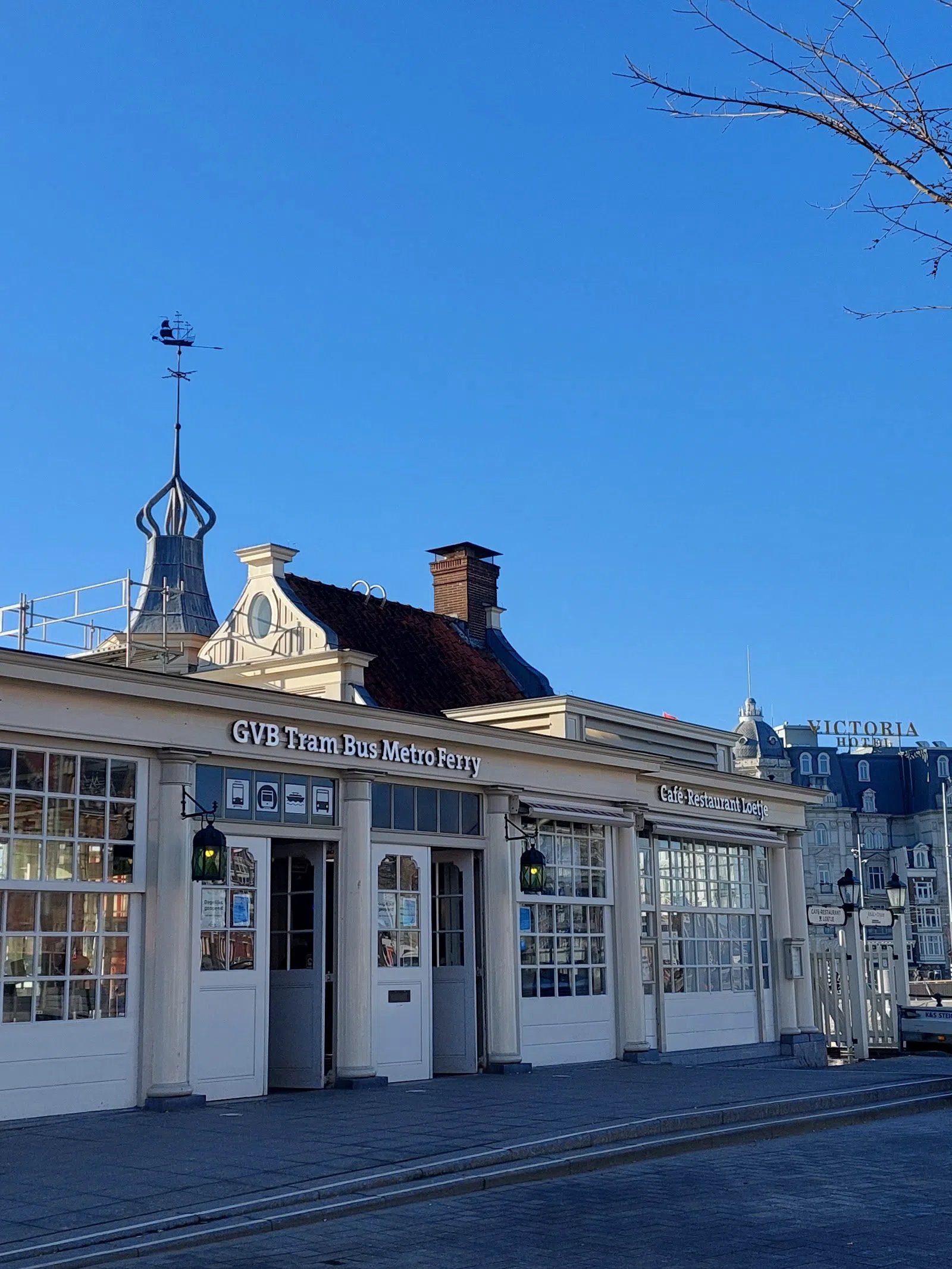
Fifteen tram lines cross Amsterdam, and every one of them will take you somewhere useful without asking you to merge into a junction on two wheels beside people who have been doing it since they were four. In drizzle, with a suitcase, or with a party of six who have never ridden in city traffic, the tram is the better tool rather than the compromise. What follows is how the network actually behaves in 2026: which line reaches which door, where it stops short, and what the whole thing costs.
Sort the fare out once, then stop thinking about it
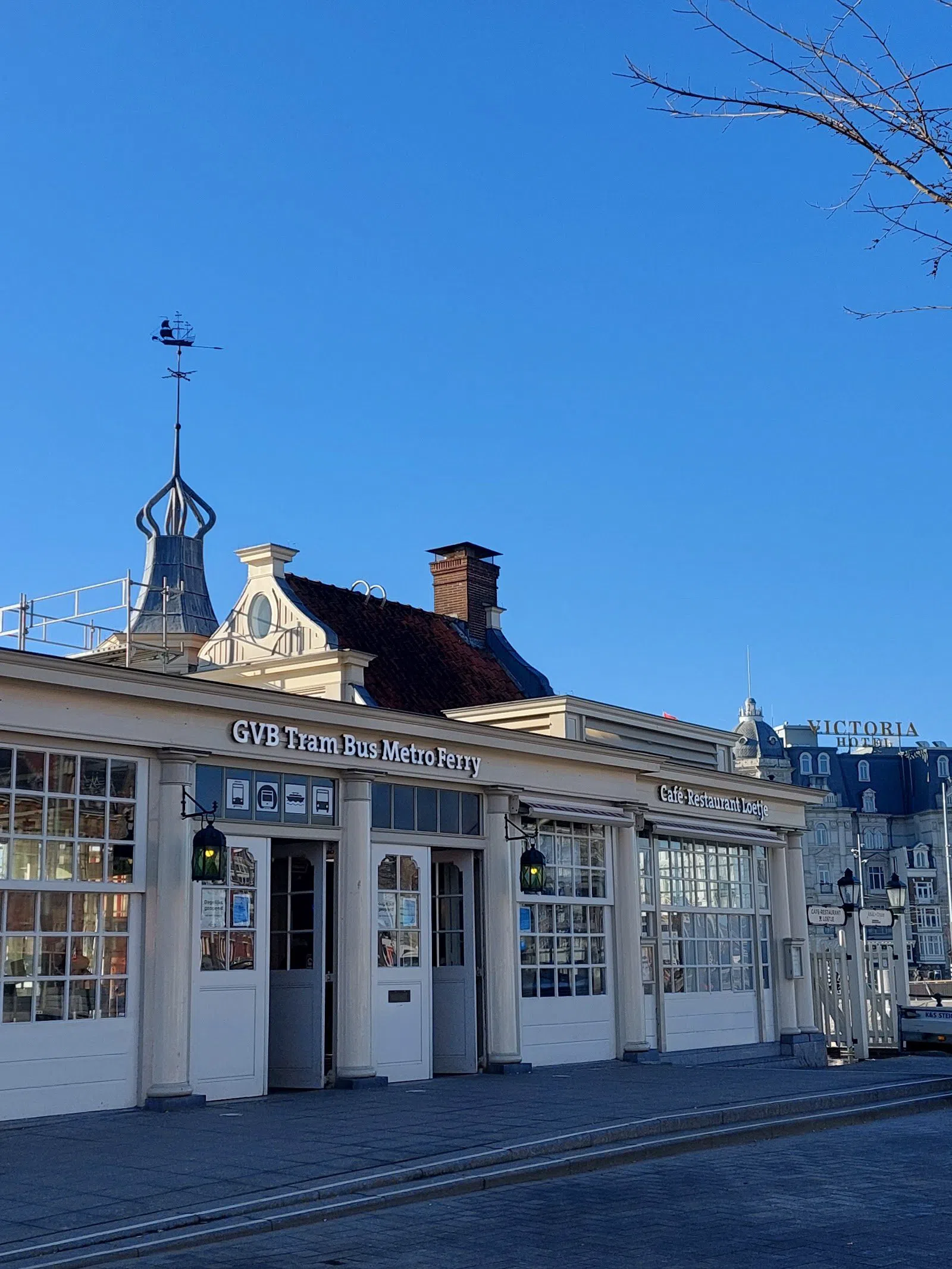
GVB (the city transport operator, service point on Stationsplein in Centrum) runs all fifteen tram lines, the metro and the free IJ ferries, so a single decision about fares covers nearly every move you will make. Every door of every tram carries an OVpay reader. Tap a contactless bank card or a phone on the way in, tap the same card on the way out, and you are charged a base fare plus distance, with GVB capping the day at €10.50. Against that, a 24-hour ticket is €10 and a 48-hour ticket is €16, and they run from your first tap rather than from midnight, which is worth knowing if your first ride is in the afternoon.
The maths is closer than the marketing suggests. Four or more rides in a day and the €10 day ticket edges out the €10.50 contactless cap, with the added benefit that you stop worrying about tapping out at all. Two rides and a lot of walking, and the bank card is simpler: you pay for what you use and nothing more. The one thing that does not work is sharing. A group of six taps six separate cards, one per person, and there is no party fare hiding on a single card. Forget that and the last two people through the door are travelling without a valid fare. For groups, buying hourly or day tickets in bulk over the counter is the honest answer.
That counter is the GVB service point at Stationsplein 10, open daily 08:30-19:00, taking cash, PIN or contactless. It is the one place to fix tickets face to face before anyone's first ride, and it is worth the five minutes on arrival day if there are more than three of you or if anybody is travelling without a contactless card. And tap out, every time. A missed tap-out is charged at the maximum fare, and it is the single most common way visitors overpay on a network that is otherwise cheap.
Plan your Amsterdam trip
Live prices from our booking partners.
Free cancellation on many rooms. We may earn a commission when you book.
Everything radiates from the islands at Centraal
Amsterdam Centraal (Centrum) is not really one tram stop. The platforms on Stationsplein are lettered islands, A to E, and seven lines (2, 4, 12, 14, 17, 24 and 26) start there. The islands are free to walk onto; you pay only when you tap onto a tram. That makes the station the most useful single piece of infrastructure for a visitor, because almost every district in this guide is reachable from here without changing.
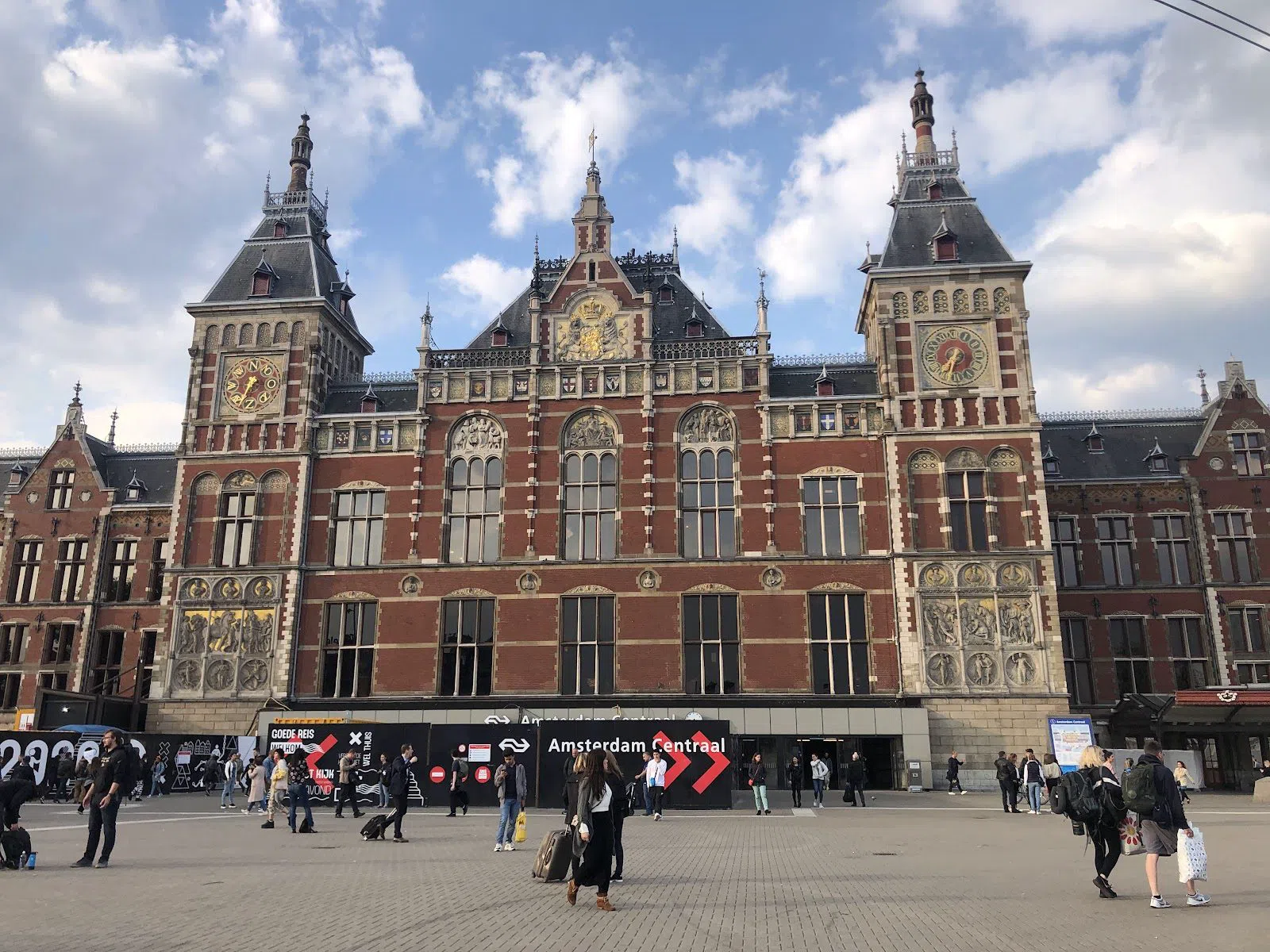
It is also the sanest place to manage a group. Wide open platforms absorb a large party, and the lettered islands mean you can send four people to island B and three to island D without anybody getting lost, since they can still see each other across the square. If you are arriving by train with luggage, resist the instinct to walk into the centre; the tram will have you at your door before you have finished negotiating the first canal bridge with a suitcase. Where you stay changes how much of this you use, and anything within two stops of a line running through Centraal is functionally central, worth filtering for in an Amsterdam hotel search before you commit.
Two lines carry the museums
Trams 2 and 12 do most of the cultural heavy lifting, and they do it with a directness that a bike cannot match, because you cannot lock a bike at a museum door and you can step off a tram at one.
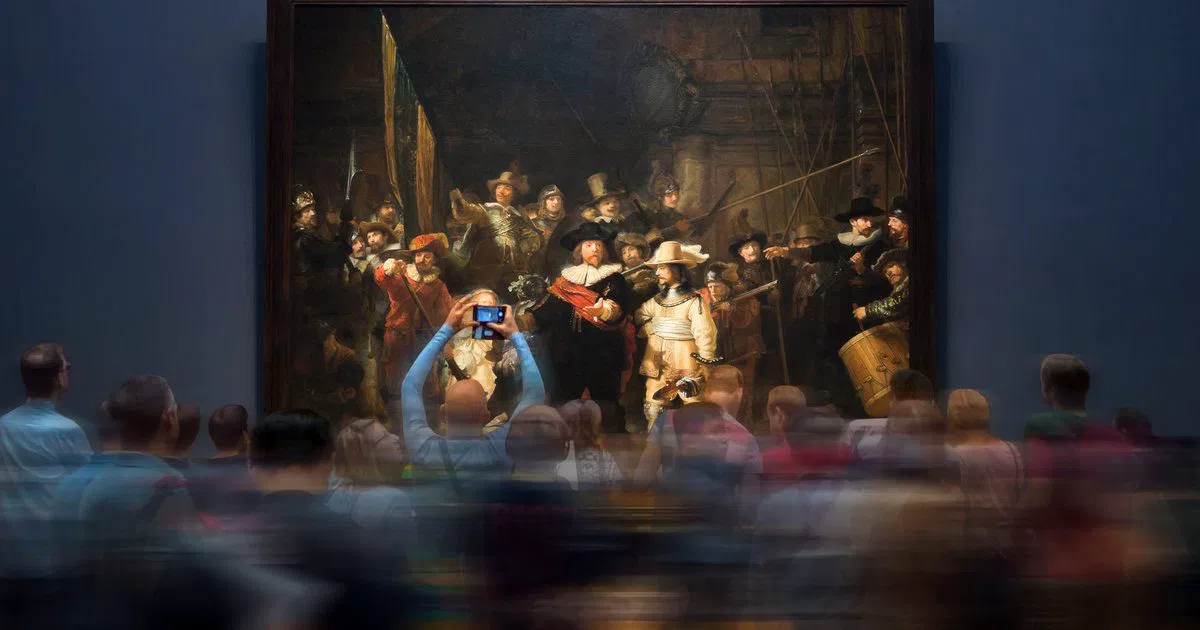
Rijksmuseum (Museumkwartier) has a tram halt literally named after it, which puts the entrance about ninety seconds' walk from the rails. That is the clearest single argument for the tram in this city. Admission is roughly €25 for adults and free for under-18s, and every visitor books a timed slot, including cardholders, which surprises people every day of the week. A group needs its slots reserved together and reserved early; six people turning up hoping to be squeezed in will be standing outside looking at their phones.
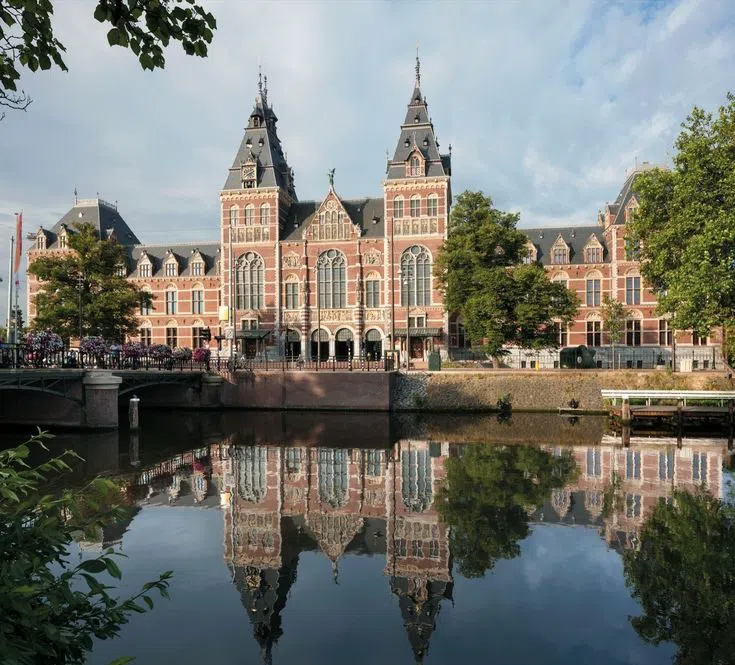
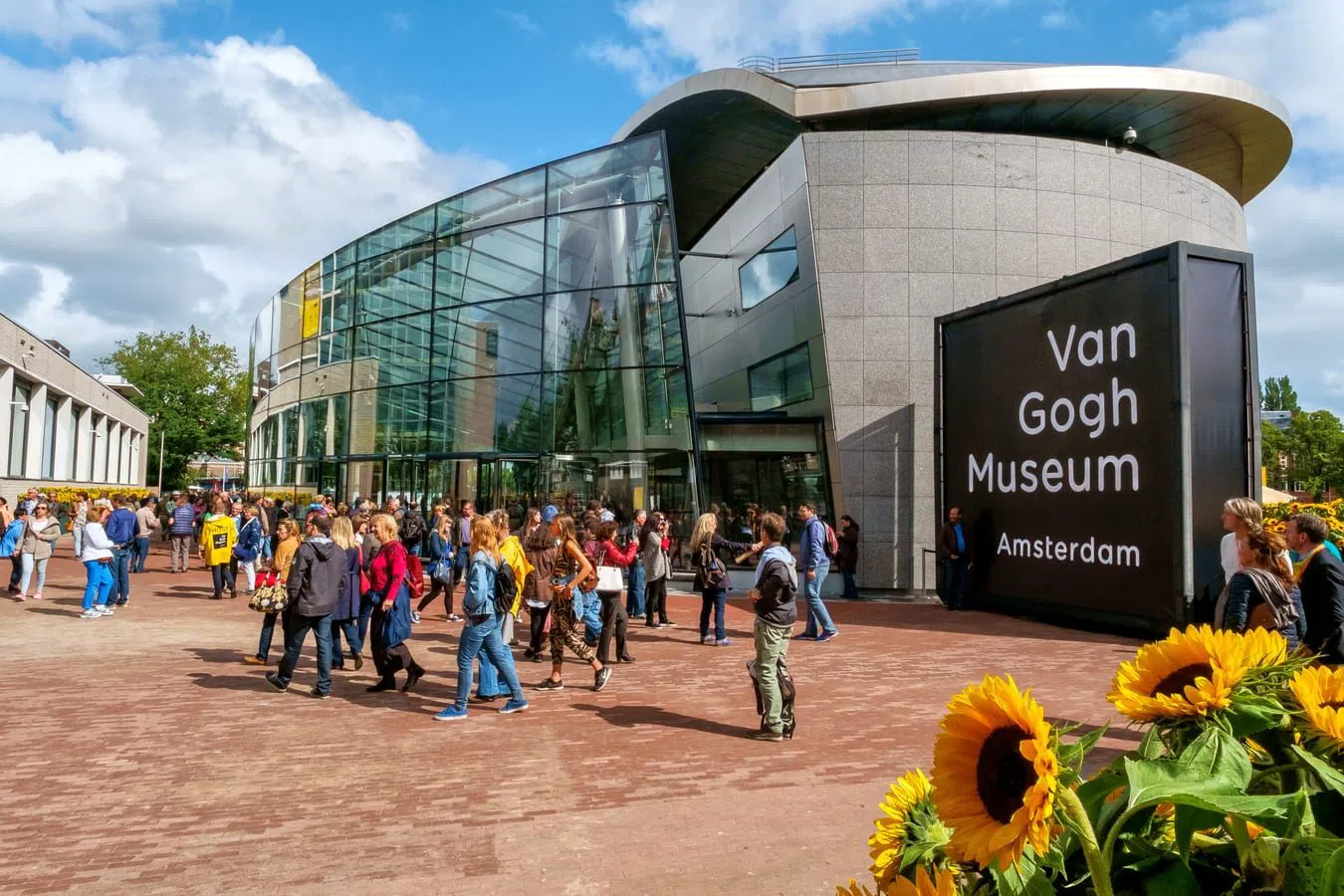
Van Gogh Museum (Museumkwartier) is one stop further along the same 2 or 12 ride, at Museumplein, and costs around €24 for adults, again free for under-18s. It sells nothing at the door: no reduced allocation, no queue. Walk-up parties are turned away, so book in advance or leave it off the list. The upside of the geography is that the two big collections are a single tram errand rather than two separate trips, and a morning slot at one with an afternoon slot at the other needs no transport planning beyond walking between two stops.
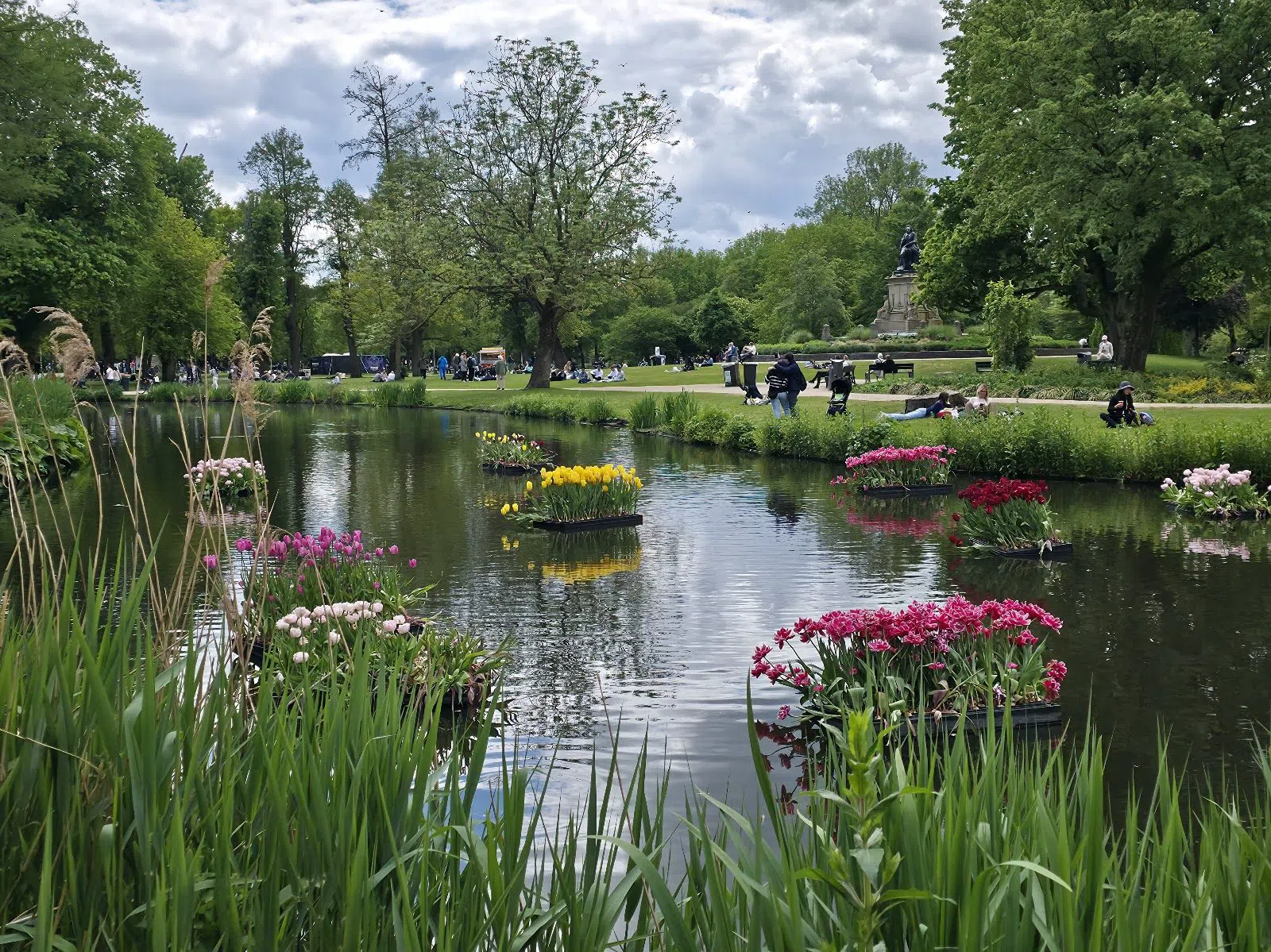
Vondelpark (between Museumkwartier and Oud-West) is the free, unrestricted third act, and one of very few central spaces where a large group can genuinely spread out without irritating anybody. The pragmatic tram move is to ride line 2 or 12 to Rijksmuseum, walk in at the eastern gate, and walk out at the far end onto a different line. The park works as a shortcut between two tram corridors, which is a better use of it than doubling back on yourself.
De Pijp and Oud-West, on lines 4, 24 and 17
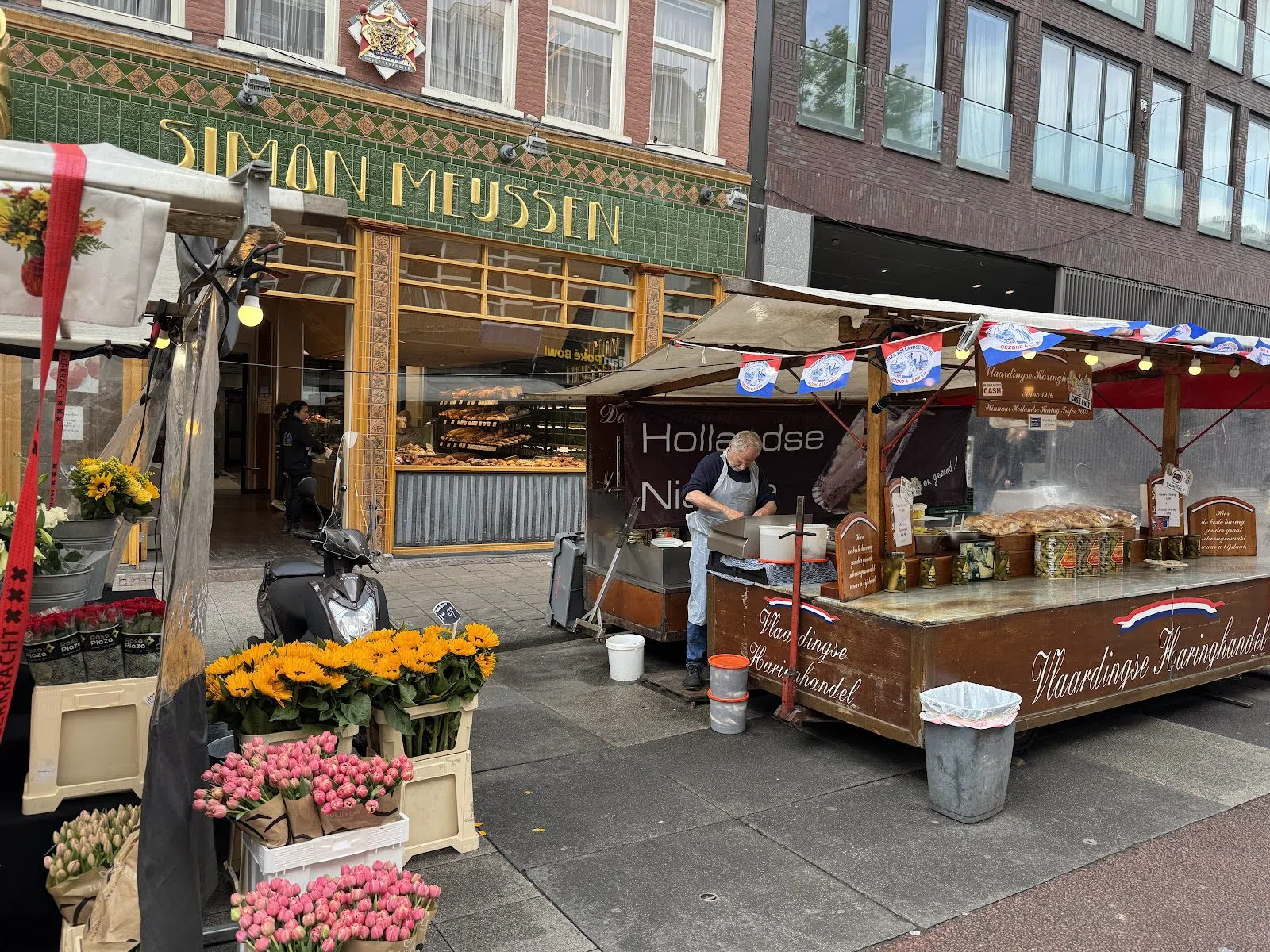
Albert Cuypmarkt (De Pijp) runs Monday to Saturday, 10:00-17:00, and is closed on Sundays, a detail that catches out anyone building a lazy weekend around it. Tram 4 stops at Albert Cuypstraat and tram 24 at Stadhouderskade, both a minute from the stalls. Browsing is free and snacks run €2-8, so it is the cheapest hour in this article. It is also an open street with no door policy and no capacity limit, which means Saturday lunchtime is a slow crush where a group of six will become two groups of three within fifty metres. Either name a stall as the rally point before you go in, or come on a Tuesday morning when you can actually see what you are buying.
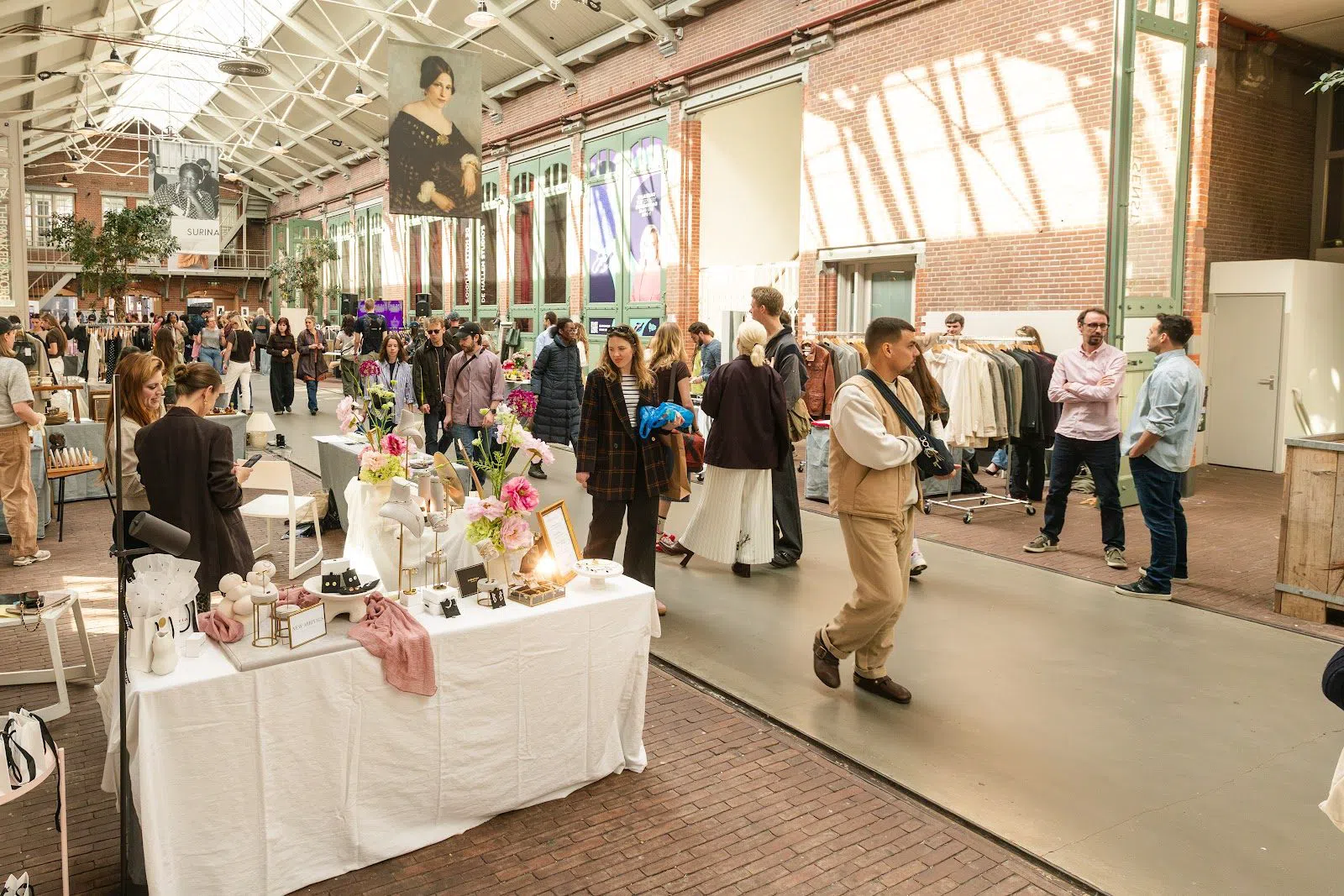
De Hallen Amsterdam (Oud-West) is, fittingly for this subject, a former tram depot. Tram 17 stops at Ten Katestraat around the corner; the hall runs daily 12:00-23:00 with the counters closing around 22:00, and plates cost €8-18. There are no reservations for the food hall, which is exactly right for a group that wants six different dinners, and exactly wrong at weekend peak, when the seating is a scrum and you will eat standing up. Couples do better either at 12:30 or after 21:00, when the tables free up and the room stops shouting.
Line 5 from a gasworks to an art museum
Westergas (Westerpark) is the clearest recent improvement to the network for visitors. Since the March 2026 timetable change, tram 5 terminates at Westergasfabriek, so the site has a direct tram from Leidseplein and Museumplein instead of the bus connection it used to require. The park is free to enter, with bars, a cinema and event halls that take bookings and price themselves individually. It is group-friendly by design: open ground, several places to drink, and no single door for fourteen people to fail at.
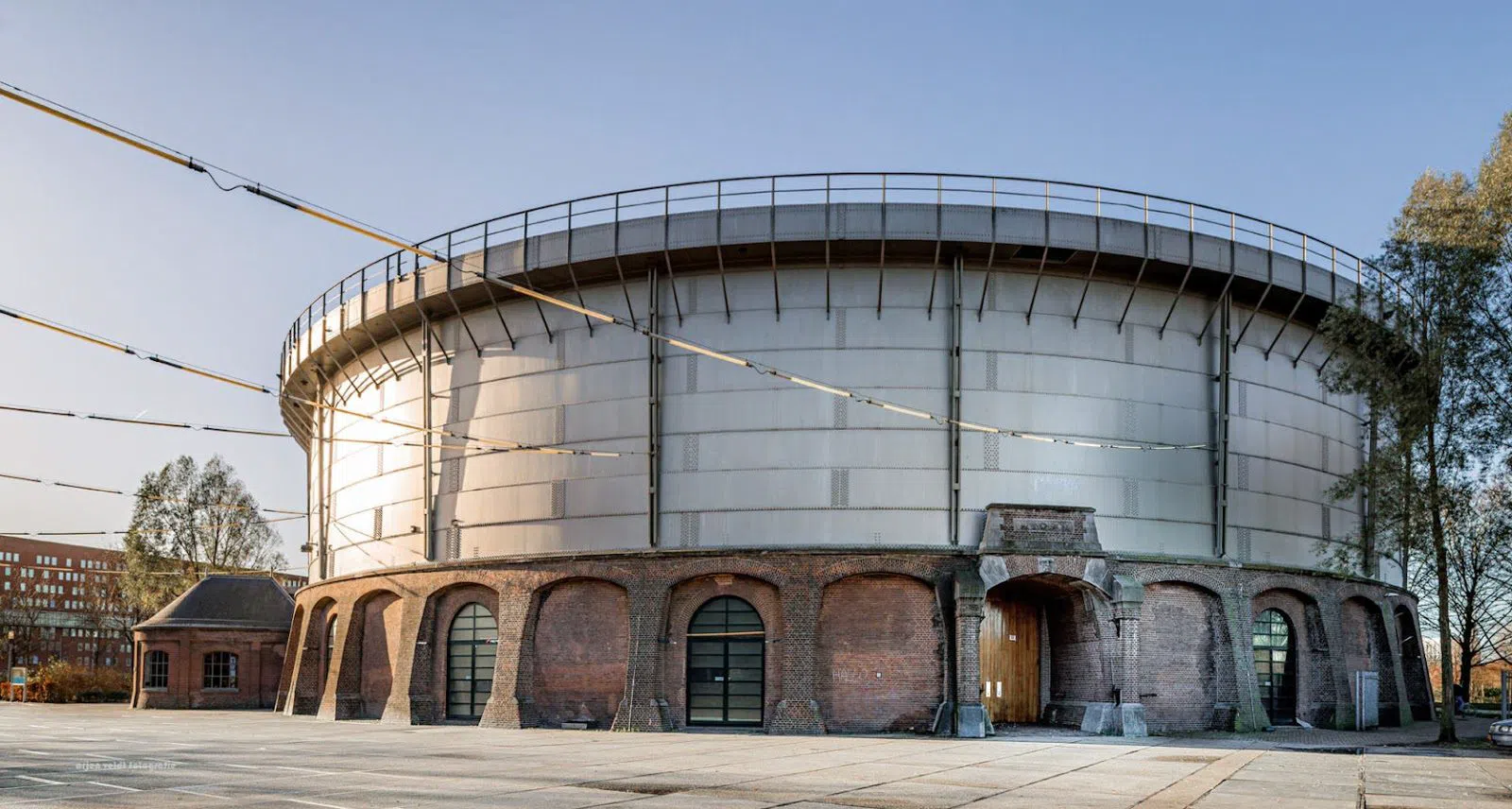
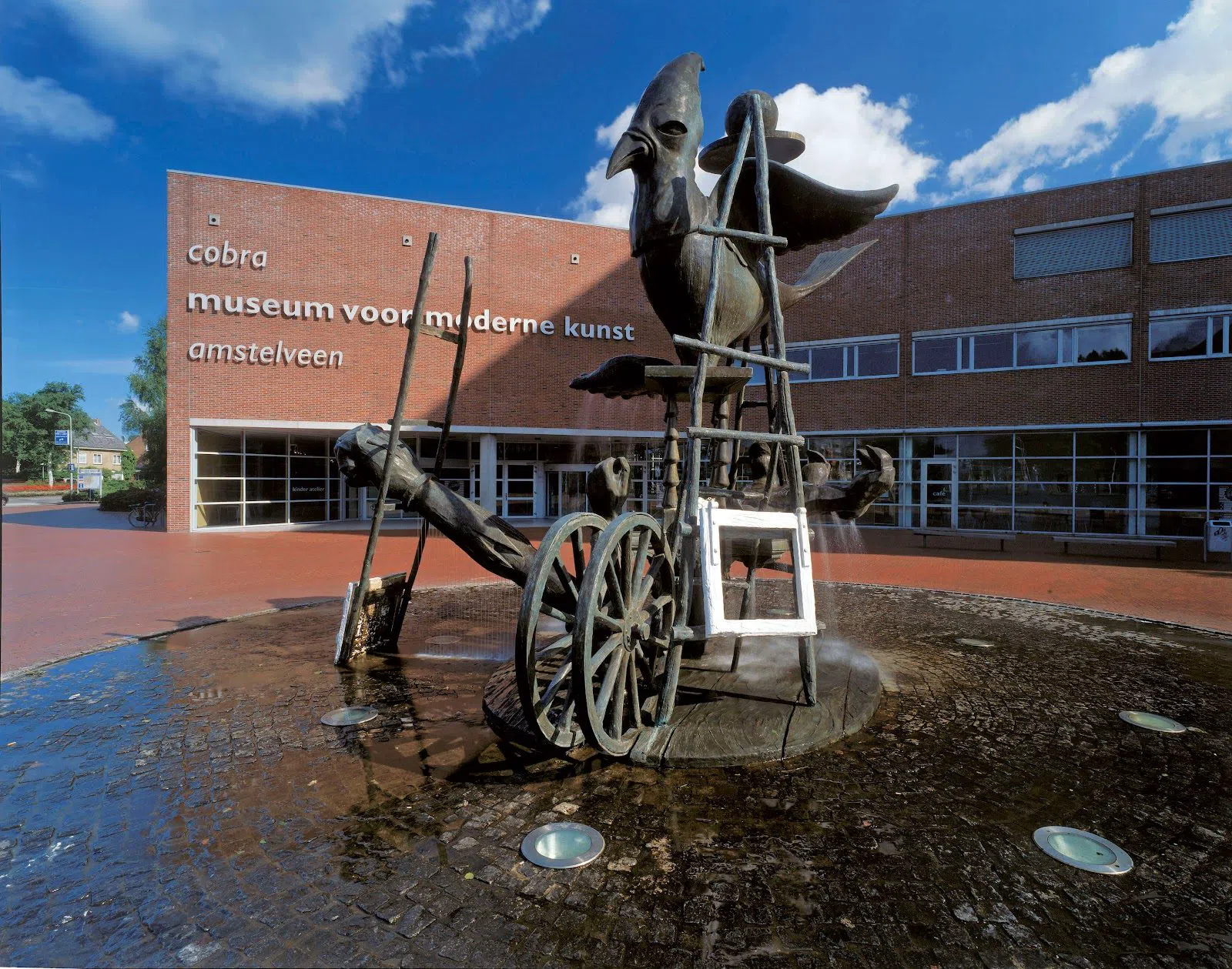
Ride the same line 5 to its other end and you reach Museum Cobra (Amstelveen Stadshart), about ten minutes' walk from the terminus. It was rebranded from Cobra Museum, so older signage and older guides disagree with each other. Entry is roughly €15, it opens Tuesday to Sunday 10:00-17:00 and until 20:00 on Thursdays and Fridays, and midweek it is quiet enough that a group is not a problem. The point, beyond the collection, is what a single tram line does here: one vehicle, no changes, from a former gasworks in the west through the middle of the city to a modern art museum at the southern end. That is a range no bike is going to give you comfortably in the rain.
East on 14 and 19
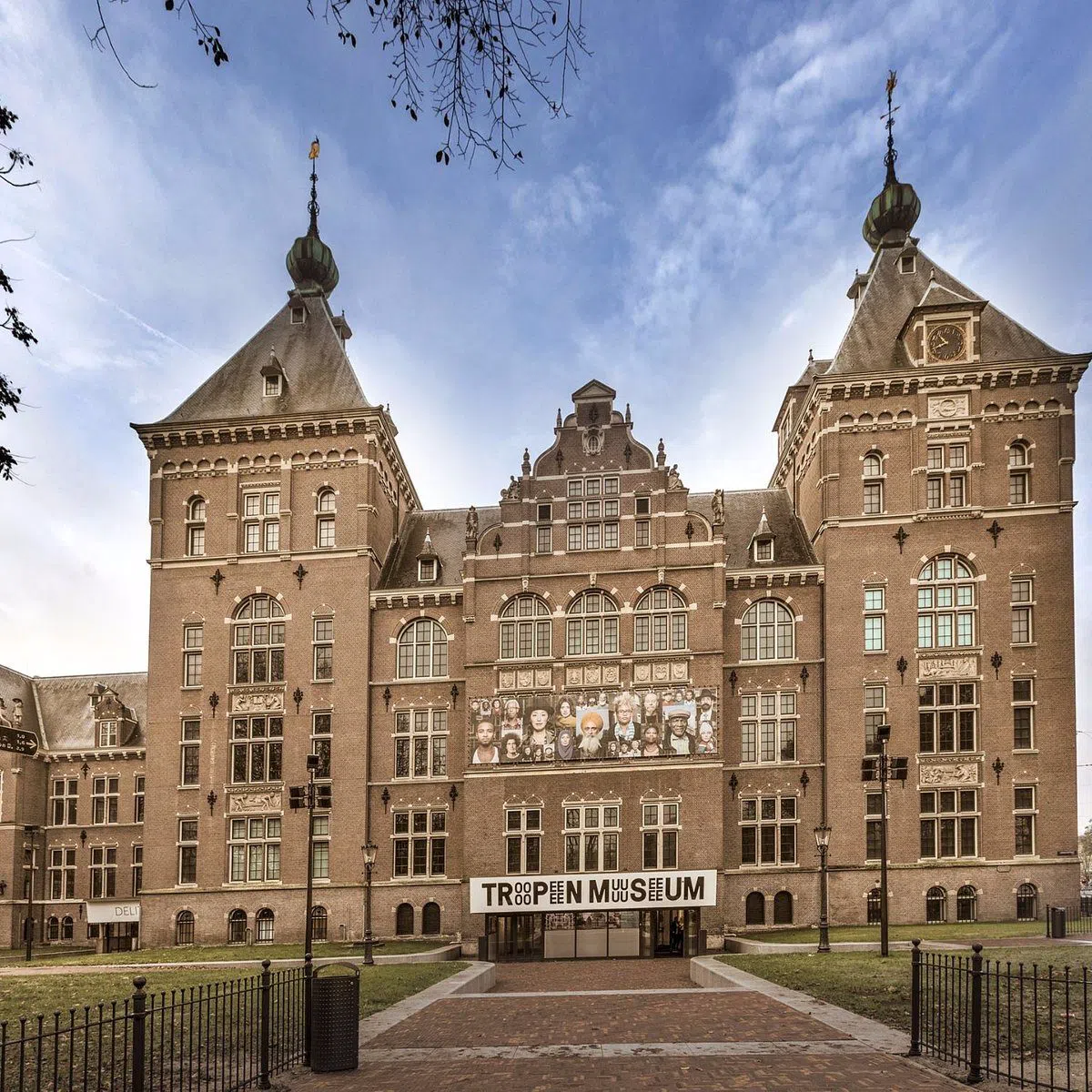
Wereldmuseum Amsterdam (Oost) sits at Linnaeusstraat 2, beside the Alexanderplein tram stop served by lines 1, 14 and 19. Admission is roughly €18, and it opens Tuesday to Sunday, 10:00-17:00. It was the Tropenmuseum until 2023 and is still signposted that way in plenty of printed guides, so search under both names. Group visits and guided tours are bookable and the main hall absorbs a large party comfortably. Roadworks around the square occasionally divert lines, so read the stop board rather than assuming yesterday's routing holds.
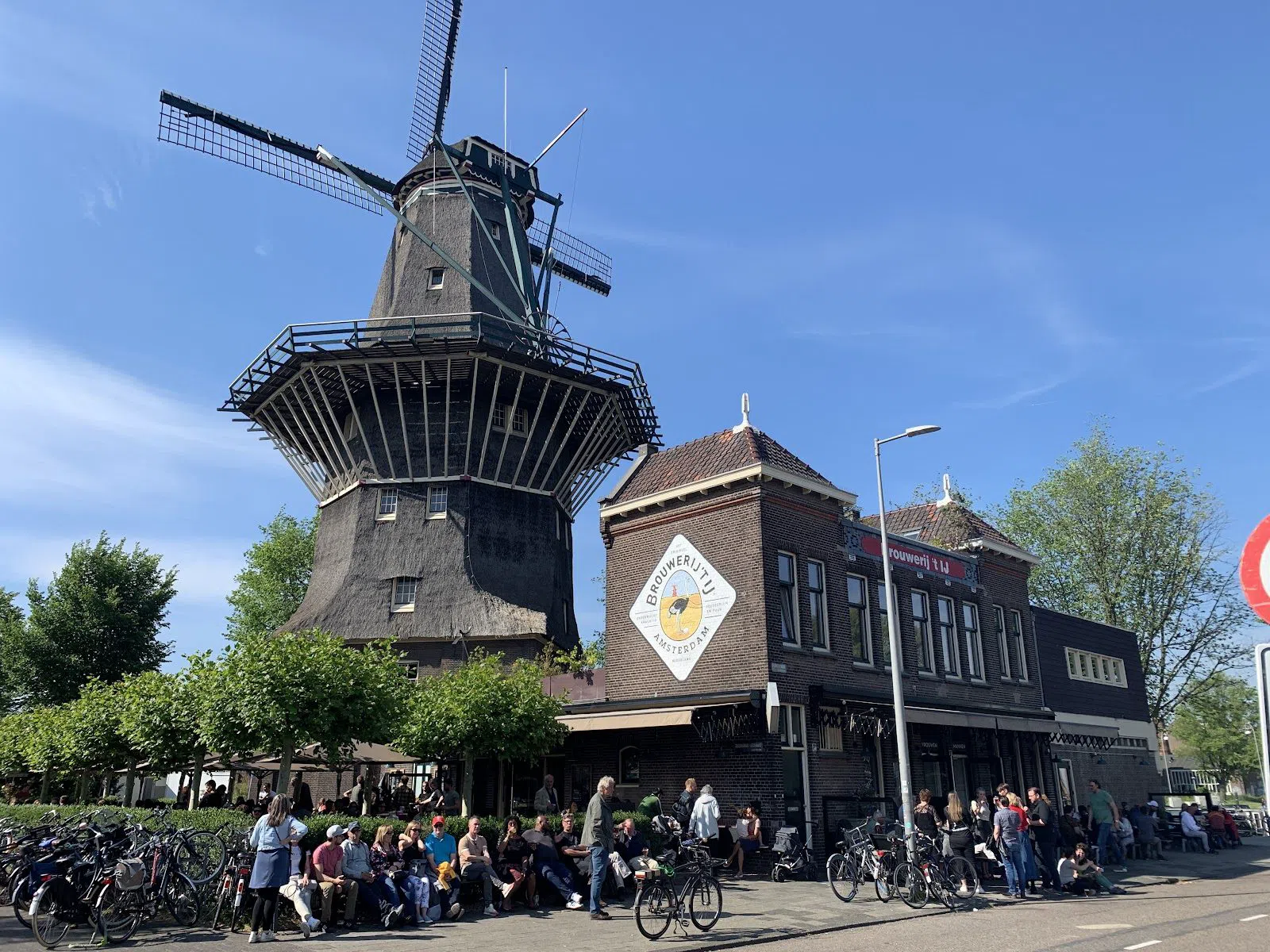
Brouwerij 't IJ (Oost, on the tram 14 run out to Javaplein) is impossible to miss from the tram window: look for the windmill. It opens Monday to Thursday 14:00-22:00 and Friday to Sunday 12:00-22:00, beers are €5-7, and the atmosphere tolerates groups without much ceremony. The free brewery tours run Friday to Sunday at 15:30 in English and fill fast, so a large party that wants a place on one should arrive early rather than on time. Pair it with the Wereldmuseum and you have an eastern afternoon that needs one tram and no planning.
Line 26 now ends at the sand
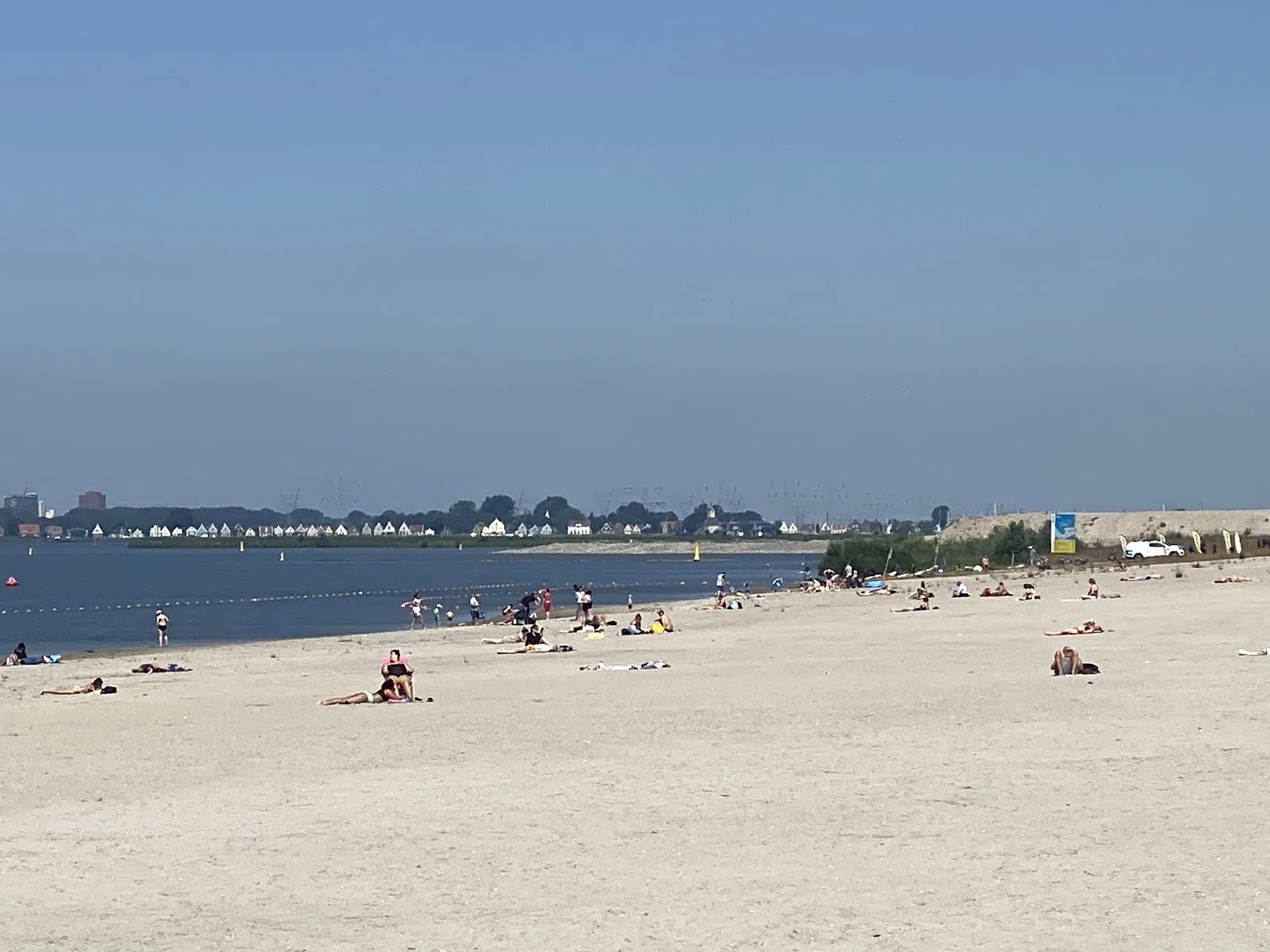
Strand IJburg (IJburg) became a genuinely easy trip on 31 August 2026, when the extended tram 26 began running past Theo van Goghpark to Centrumeiland and Strandeiland. It is under 25 minutes from Centraal, which makes a city beach a plausible half-day rather than an expedition. The sand is wide open with no door policy, the pavilion food and drink are seasonal, and it is free. This is a late-spring-to-early-autumn destination and fairly bleak outside that window. The old Blijburg aan Zee beach bar also closed for good after 2018, though plenty of guides still send people to it: head for the municipal beach and its seasonal pavilion instead.
Where the tram stops short
Anne Frank House (Centrum, by Westermarkt) is the one major sight the tram cannot currently deliver you to. The Westermarkt stop is out of service for the Oranje Loper bridge works, and trams 13 and 17 do not run between Dam and Rozengracht until 2027. Ride any tram to Dam and walk ten minutes from there; anything else involves a change and a longer walk at the other end.
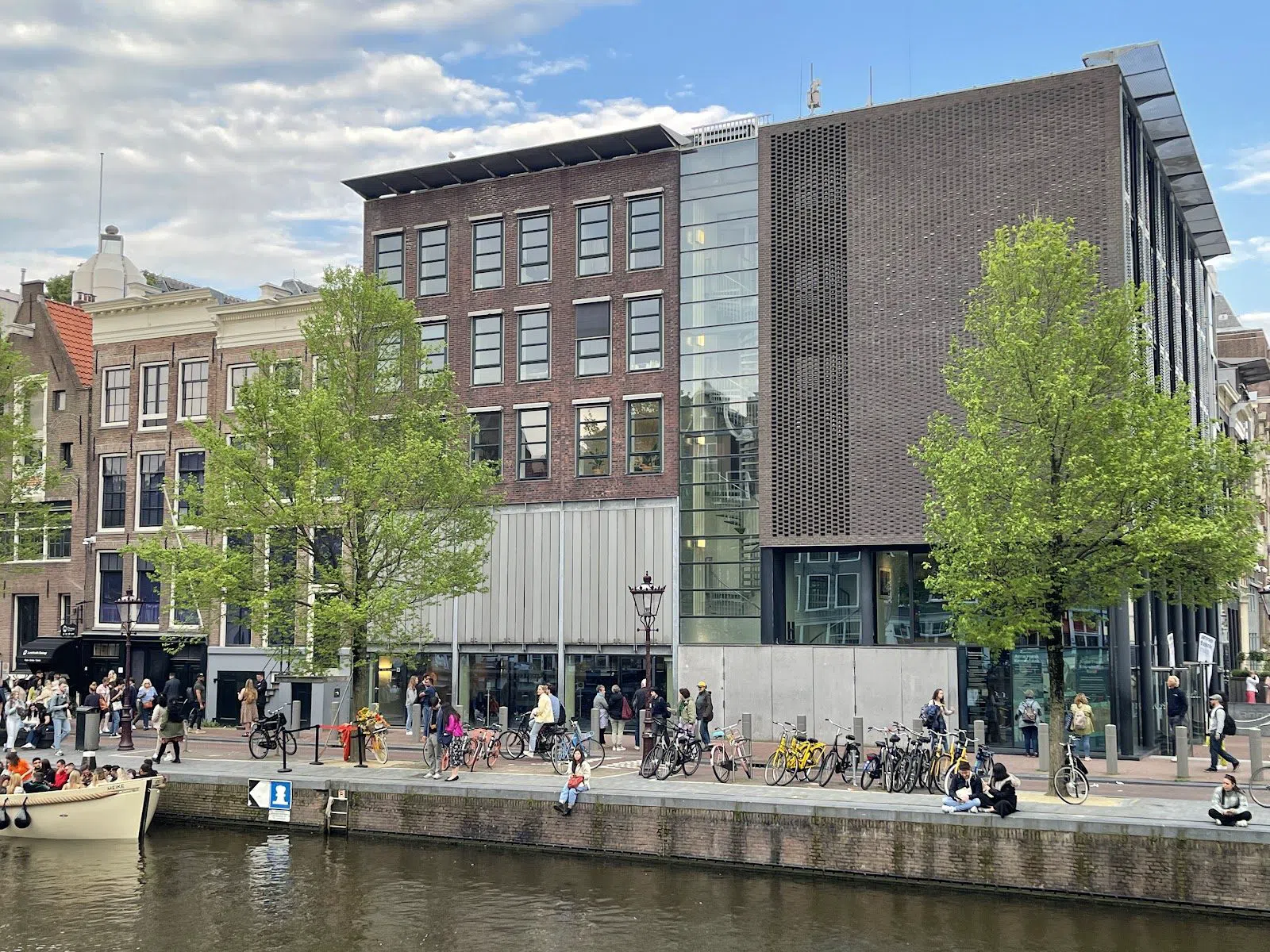
Tickets are timed and released online in advance, at around €16, and there are no door sales. Large groups will not get in on the day, whatever they try at the door. Book it first, then build the day around the slot you got, which is the reverse of how most people plan a visit here.
A Sunday tram that is the outing
Electrische Museumtramlijn Amsterdam (Zuid, at Haarlemmermeerstation) is a separate, volunteer-run operator, not GVB, and your day ticket does not cover it. Line 30 runs on Sundays from April to the end of October, out from Haarlemmermeerstation through the Amsterdamse Bos. A standard return is €7.50, reduced €5, and conductors sell tickets on board by cash or contactless, so no advance booking is needed even for a party. Groups are welcome and charters are possible.
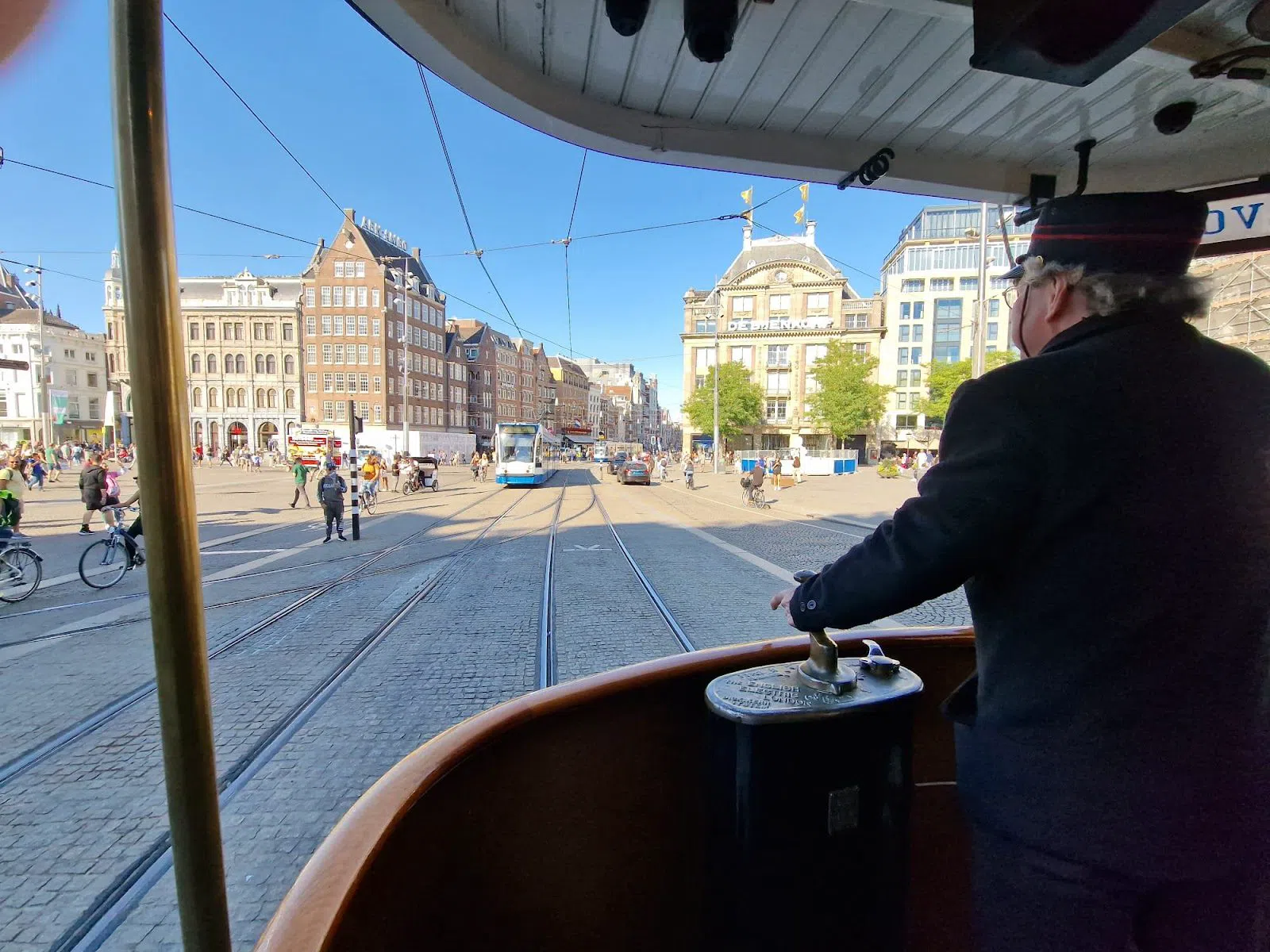
Part of the route has at times been covered by a temporary shuttle bus, so check before travelling rather than turning up with children and expecting a full run on historic stock. Treated as a ride rather than transport, it is the most charming ninety minutes on this list.
Practical notes
On transport, buy a 24-hour (€10) or 48-hour (€16) GVB ticket if you are making four or more rides a day; otherwise tap a contactless card and let the €10.50 daily cap protect you. One card per person, always. Tap out every time. Trams 2 and 12 cover the museums, 4 and 24 cover De Pijp, 17 covers Oud-West, 14 and 19 cover the east, 5 runs west to south, and 26 runs to the water.
You barely need cash. The GVB service point takes cash, PIN or contactless, market stalls and the heritage line take cash happily, and everything else is card-first. Carry €20 in notes for the market and stop thinking about it.
On timing, museums want timed slots booked days ahead, and the Van Gogh Museum and the Anne Frank House will not sell you anything at the door. Albert Cuypmarkt is closed Sundays and worst on Saturday lunchtime. De Hallen is calmest at 12:30 or after 21:00. Brewery tours are Friday to Sunday at 15:30 and go early. Museum Cobra is a midweek pleasure and shut on Mondays, as is the Wereldmuseum.
For budget, a realistic tram-based day runs €10 transport, €16-25 for one major museum, €8-18 for a meal at a food hall and €5-7 a beer. Two days of unlimited travel costs €16, which is less than a single taxi across the centre and considerably less than the bike hire you decided against. For the rest of the city (where to eat, where to stay, what is worth the queue), start with the Amsterdam guide and let the lines do the routing.
Before you go
Do I buy a tram ticket before boarding in Amsterdam?
Not necessarily. Every door of every GVB tram has an OVpay reader, so you can tap a contactless bank card or phone in and out and be charged automatically. GVB caps daily spend at €10.50. If you prefer a fixed ticket, buy a 24-hour (€10) or 48-hour (€16) one at the GVB service point at Stationsplein 10, open daily 08:30 to 19:00.
Is the GVB day ticket cheaper than tapping a bank card?
Marginally, if you ride a lot. The 24-hour ticket is €10 against a €10.50 daily contactless cap, so from about four rides in a day the ticket wins and you also stop worrying about tapping out. For two rides and a lot of walking, the bank card is simpler and you pay only for what you use.
Which tram goes to the Rijksmuseum and the Van Gogh Museum?
Trams 2 and 12 serve both. The Rijksmuseum has a halt named after it, about ninety seconds' walk from the entrance, and the Van Gogh Museum is one stop further at Museumplein. Both need timed slots booked in advance, and the Van Gogh Museum sells no tickets at the door.
How do I reach the Anne Frank House while Westermarkt is closed?
Ride any tram to Dam and walk about ten minutes. The Westermarkt stop is out of service for the Oranje Loper bridge works, and trams 13 and 17 do not run between Dam and Rozengracht until 2027. Tickets are timed and sold online in advance at around €16. There are no door sales, so book before you travel.
Can a group of six travel on one card?
No. Each person taps their own card at the reader, so six people means six cards. For groups, buy hourly or day tickets in bulk over the counter at the GVB service point on Stationsplein before the first ride. The counter takes cash, PIN or contactless.