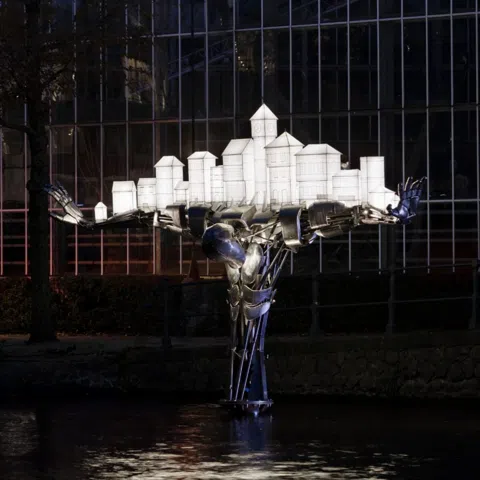
The Amsterdam issue
The Water That Built Amsterdam: Inside the Grachtengordel
A calm, practical guide to seeing Amsterdam's canal ring the way it was meant to be seen — from the water, from a brown café terrace, and from inside the houses the canals paid for.

By Robin HaasThe slow way through Amsterdam's canals, courtyards and back streets
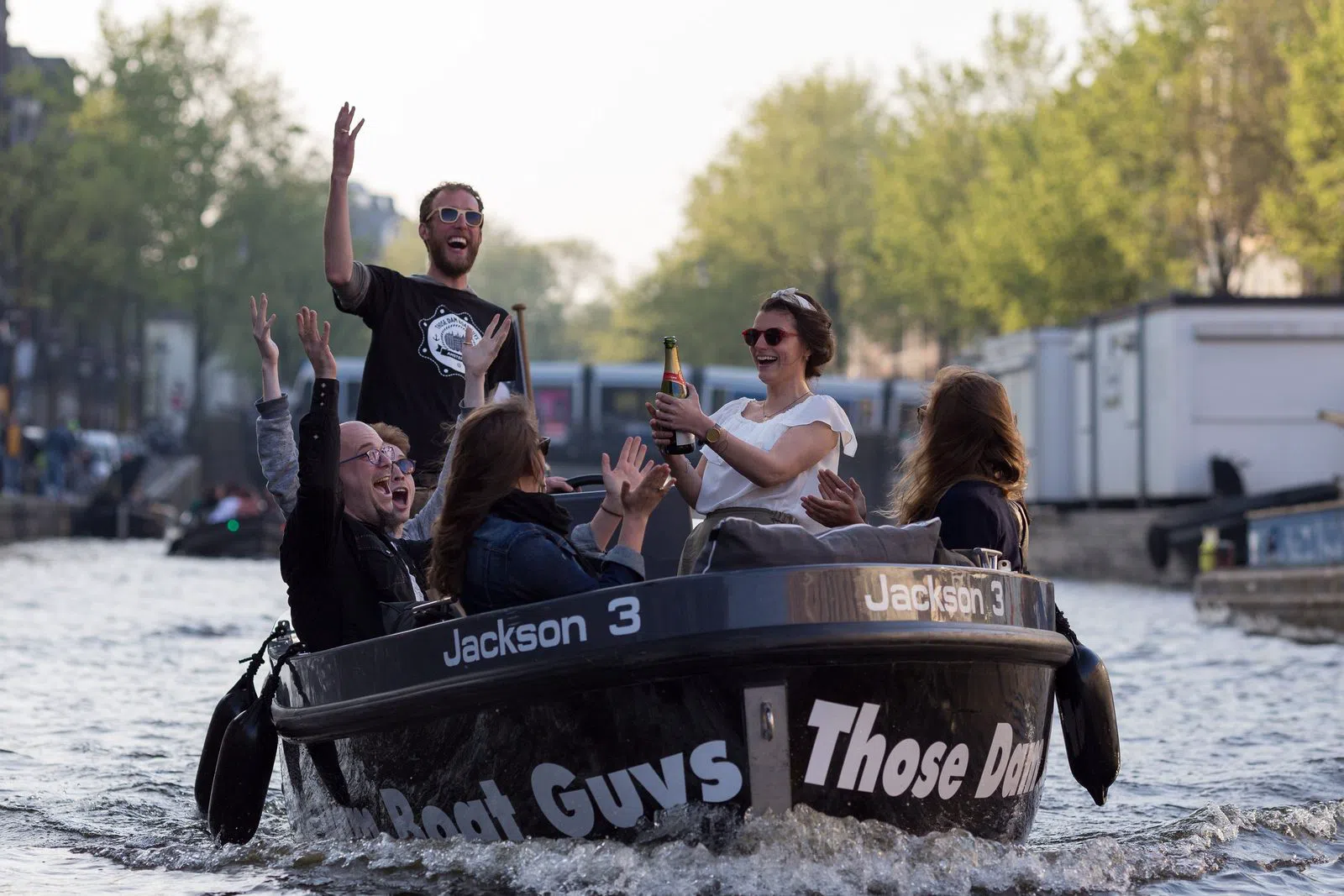
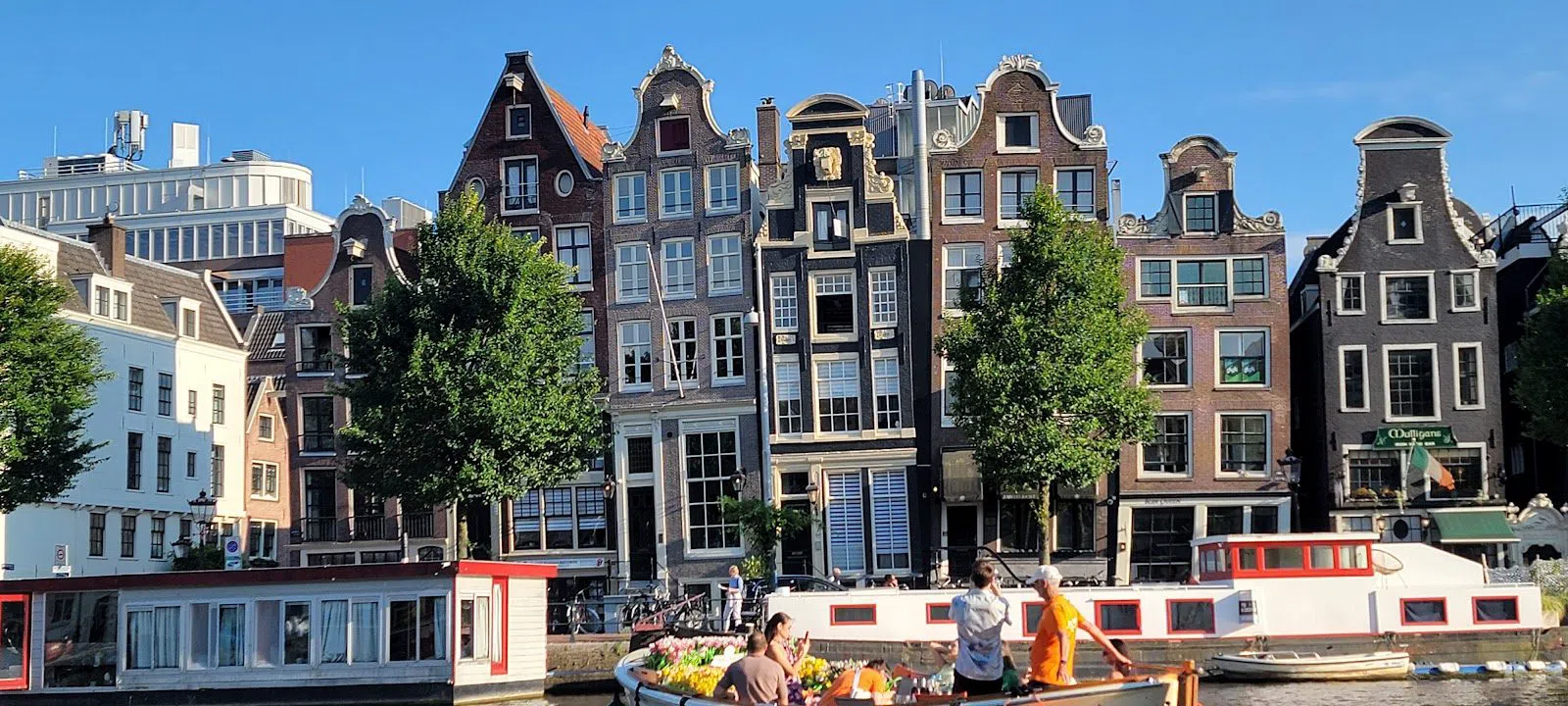
Amsterdam is a city held together by water and stubbornness. In the early 1600s, merchants dug three great semicircular canals — Herengracht, Keizersgracht and Prinsengracht — not for the postcards but for warehousing, drainage and prestige, and the ring they made, the Grachtengordel, is still the quiet spine of the city four centuries on. Come in the off-season and you feel it plainly: the water goes flat and pewter-coloured, the gabled houses lean at their genial angles, and a low winter sun turns the whole thing gold for about twenty minutes before the light gives up.
This is a guide to reading that ring the way it was built to be read — from a boat, from a terrace at the waterline, and from inside the houses the trade paid for. I've grouped things by how you'd actually plan a day, and I've been honest about what suits a couple, what suits a group, and where the door or the ticket window will trip you up.
Get on the water first
Amsterdam makes far more sense from a metre above the waterline than from the pavement, so if you do one thing, do this — ideally on your first morning, before the day boats thicken up the narrow stretches.
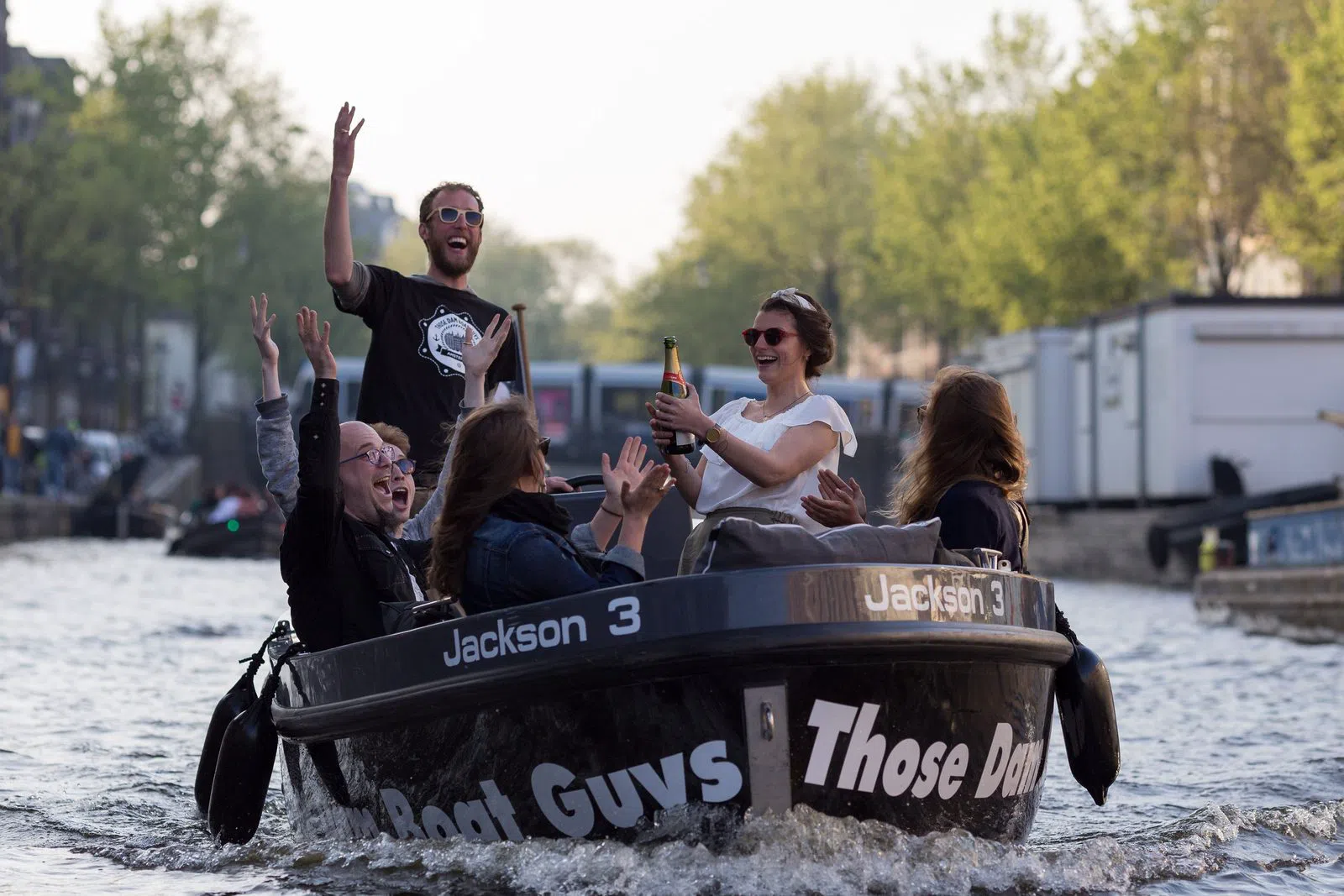
For a sociable group, Those Dam Boat Guys (departing from the Jordaan side of the ring) is the anti-tour-bus option: small open boats capping at around twelve people, no script, and an English-speaking guide who tailors the route to whoever's aboard. It's bring-your-own-drinks, so pick up beer beforehand, and you can book the whole boat for a private run. Reckon on about €30 per person for 90 minutes. It's genuinely fun and a little irreverent — which is the point — but it's not the cruise for anyone wanting polish or a quiet, contemplative float.
If you'd rather have the drinks and the talking sorted for you, Captain Jack runs an all-inclusive small-group cruise taking parties up to about twenty, with unlimited drinks and live commentary — the obvious choice for a birthday or a celebration where you don't want to organise anything. It's the pricier, more polished end at roughly €35–50 per person, and its thousands of near-perfect reviews are earned.
For something with more depth, Rederij Lampedusa (a social enterprise operating from the central canals) tells the city through migrant life-stories, aboard boats that once crossed the Mediterranean. It's an intimate deck, around €27.50 per person for 90 minutes, and to my mind the most meaningful hour on the water in the whole city — a good fit for a small, engaged group rather than a rowdy one. Group and private charters are both available.
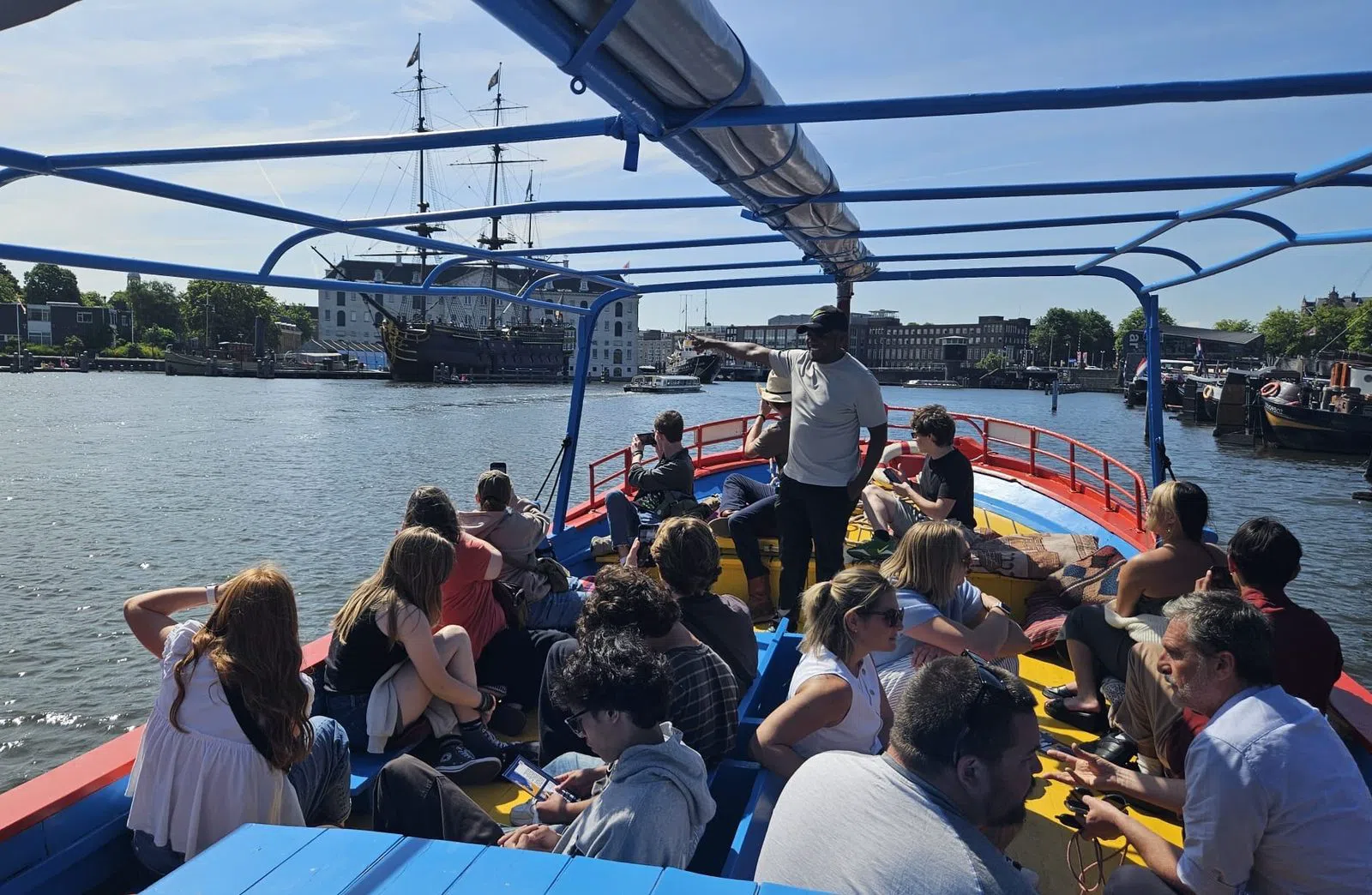
When you've got a big or mixed-ability party and simply want zero fuss, Stromma is the dependable mainstream operator, with a multilingual audio guide, frequent departures and easy central piers near Centraal Station and the Rijksmuseum. The 100 Highlights and the open-boat tours run from about €18–29 per person. It's not intimate and it never pretends to be, but for a large group with a tight schedule it's the sensible call.
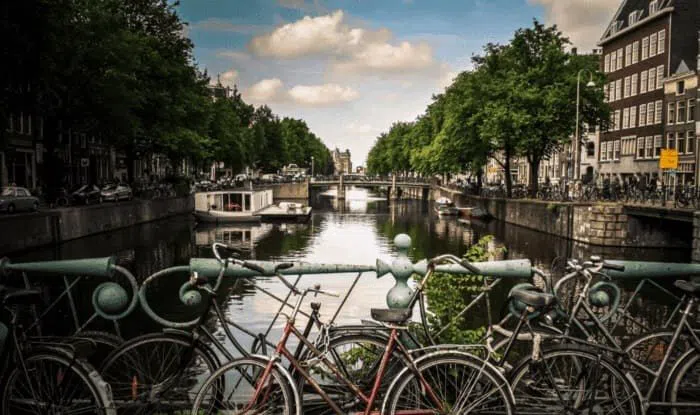
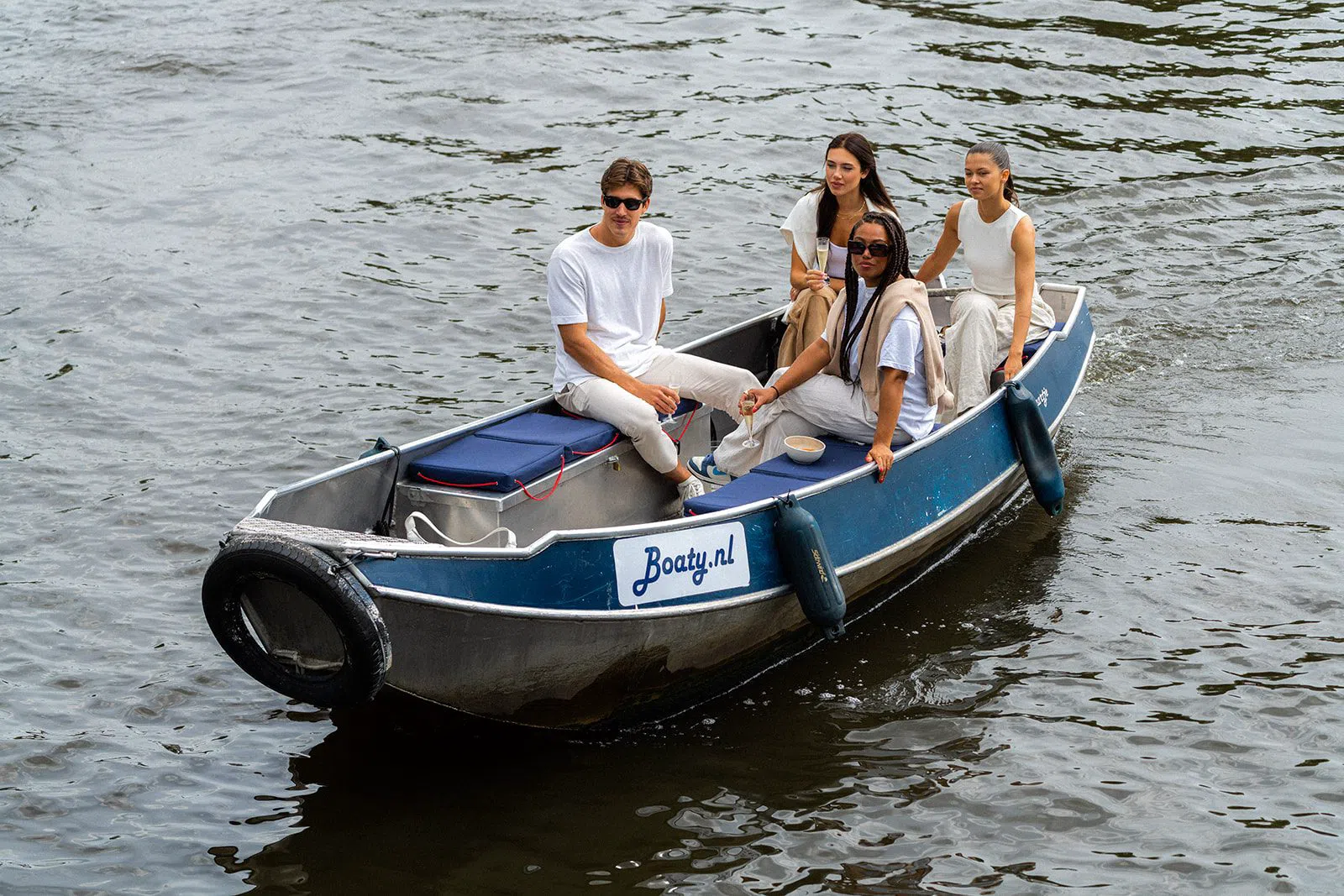
And if your group would rather drive than be driven, Boaty Boat Rental hires out self-drive electric boats seating six or seven, no licence needed — from around €89 for three hours per boat. Bring a picnic, nominate a sober driver (this is non-negotiable and enforced), and set your own pace through the smaller, prettier side canals the big tours skip. It's the best value for a group of six and the most freeing way to spend an afternoon, provided nobody minds a bit of gentle reversing into a bridge arch.
A word on timing: the ring is busiest between about 11am and 4pm. An early departure or the last light of the day is calmer, cheaper on some open-boat tours, and far better for photographs. Off-season, most operators keep running but on thinner timetables — check the day before rather than assuming an hourly departure.
Plan your Amsterdam trip
Live prices from our booking partners.
Free cancellation on many rooms. We may earn a commission when you book.
Drink at the waterline
The canals are best appreciated with a glass in hand and your feet almost in the water, and Amsterdam's brown cafés and waterside bars are built for exactly that.
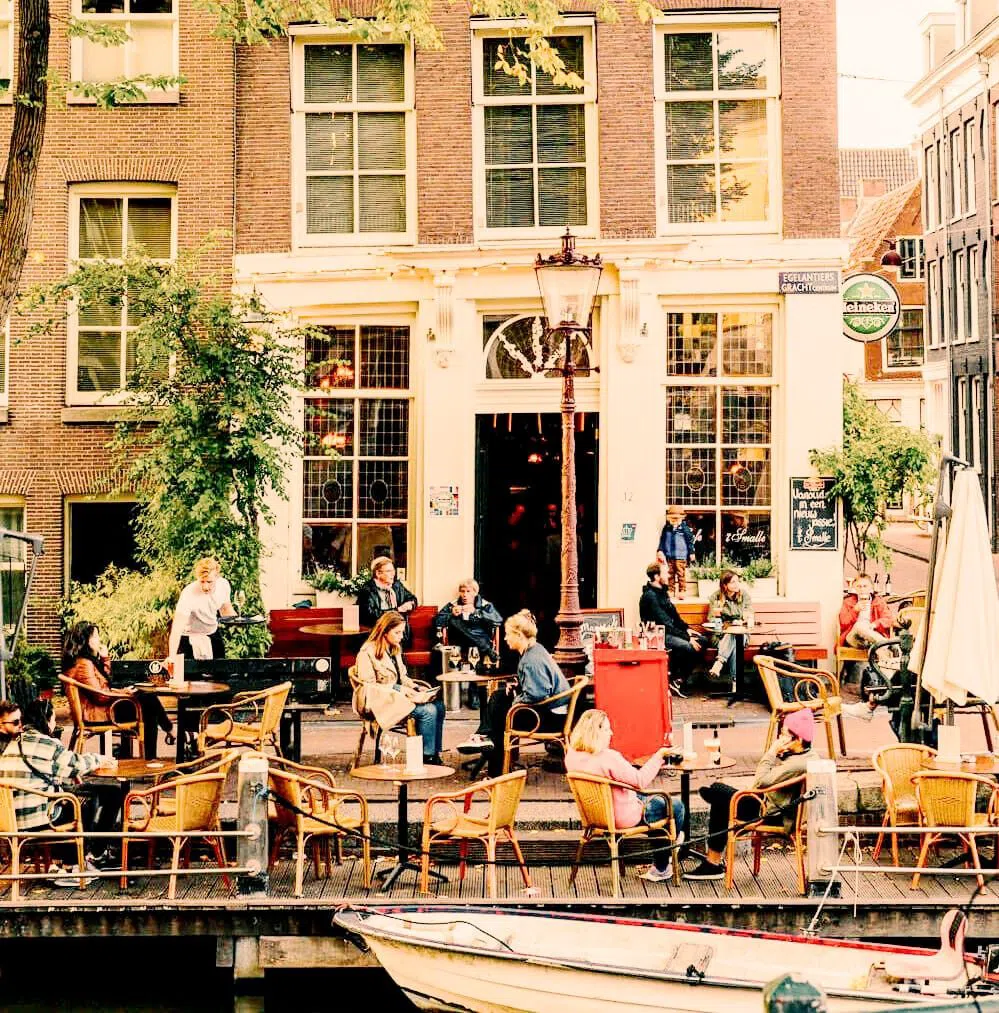
Café 't Smalle, on the Egelantiersgracht in the Jordaan, has been pouring since 1780 and owns one of the most photographed canal terraces in the city — a tiny floating deck that seats barely a dozen. It's walk-in only, so a couple or a pair will slip in far more easily than a group of six; in sun it fills within minutes of the terrace opening. Order bitterballen and a Belgian beer, expect to pay €5–12, and treat a table on the water as luck rather than a plan.
For something louder and more group-friendly, Waterkant sits under the Marnixstraat, a short walk from Leidseplein, and serves Surinamese roti and rum to a young, sociable crowd. It's Amsterdam's liveliest waterside terrace on a warm afternoon and runs year-round thanks to heated winter tents — but large parties should reserve, because turning up ten-handed on a Saturday and hoping is a losing game. Drinks run €4–8, roti and street food €8–14.
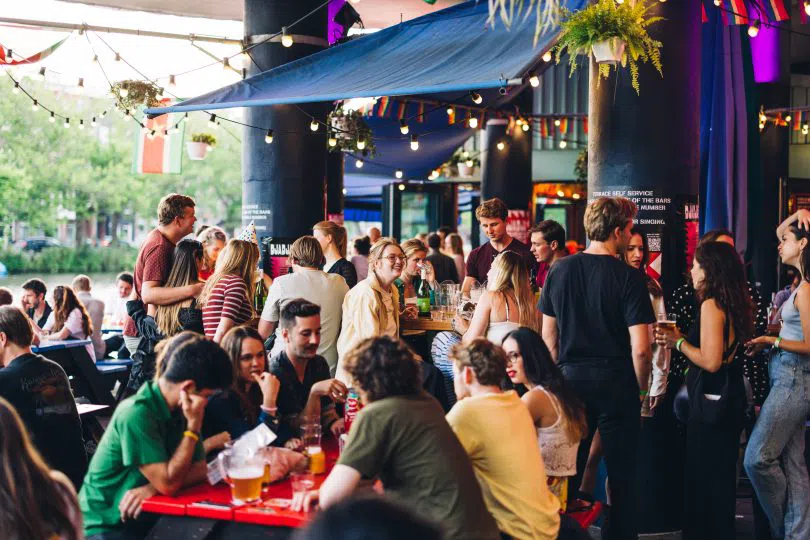
Out towards the eastern islands, Hannekes Boom is a laid-back canalside hangout near Centraal that stays open late and genuinely welcomes groups. The real trick here is the attached boat, Hannekes Boot, which hosts private parties of 40 to 200 — so if you're organising something big, this is one of the few places on the water that can actually hold you. Drinks are €4–8, plates €10–18, and the mood is relaxed rather than polished.
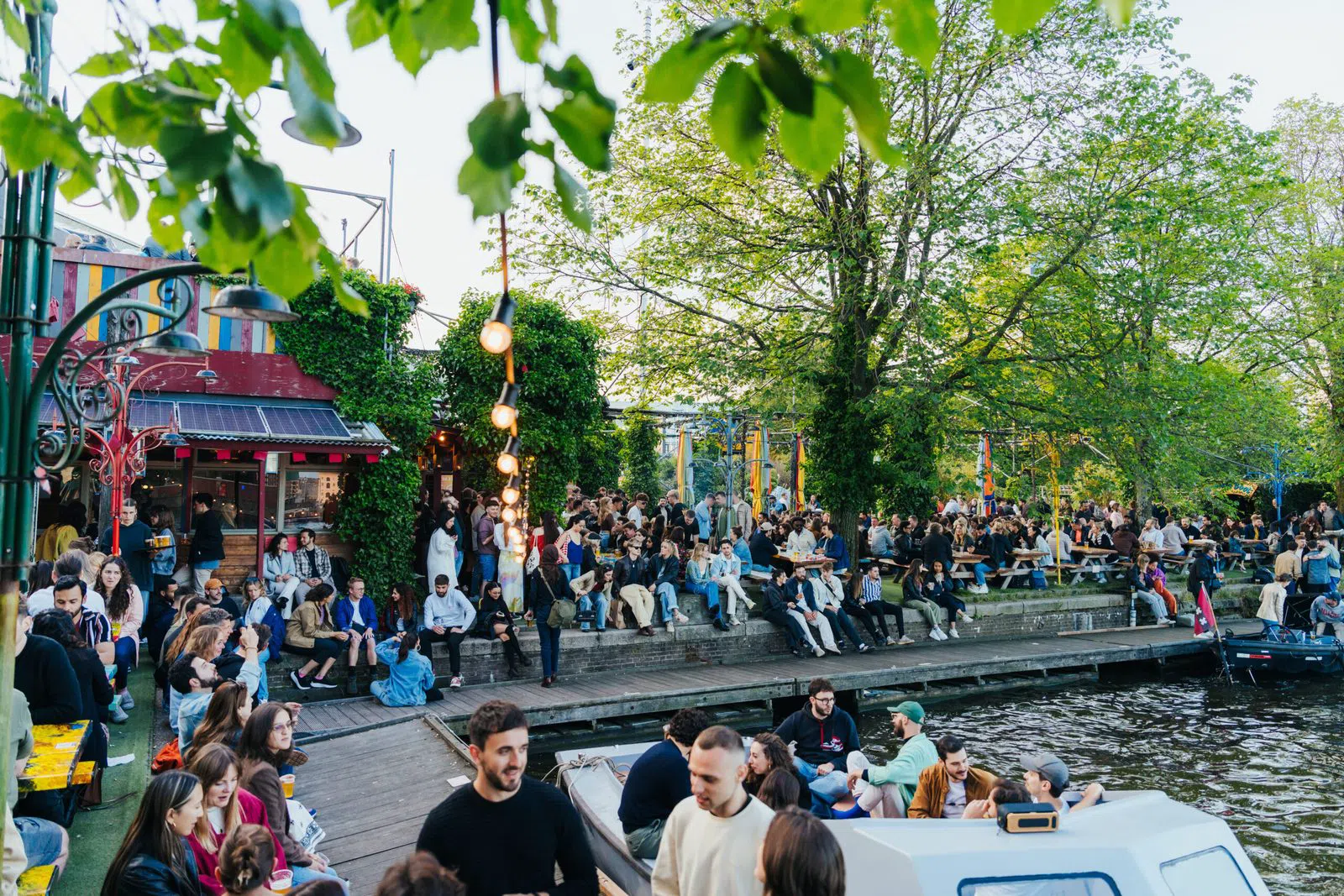
Between the three you've got the full range: 't Smalle for a quiet couple's half-hour, Waterkant for a buzzy afternoon, Hannekes Boom for the large group nobody else can seat.
Step inside the houses the canals built
The gabled fronts are only half the story; the wealth sat behind them, and two canal-house museums let you walk straight into the Golden Age.
Museum Van Loon, on the Keizersgracht, is a still-furnished patrician home — the best-preserved glimpse of how a wealthy Amsterdam family actually lived on the ring, right down to the family portraits and the formal garden at the back. It's about €14 for an adult, small groups are welcome, and the rooms are intimate enough that self-paced beats a big guided huddle.
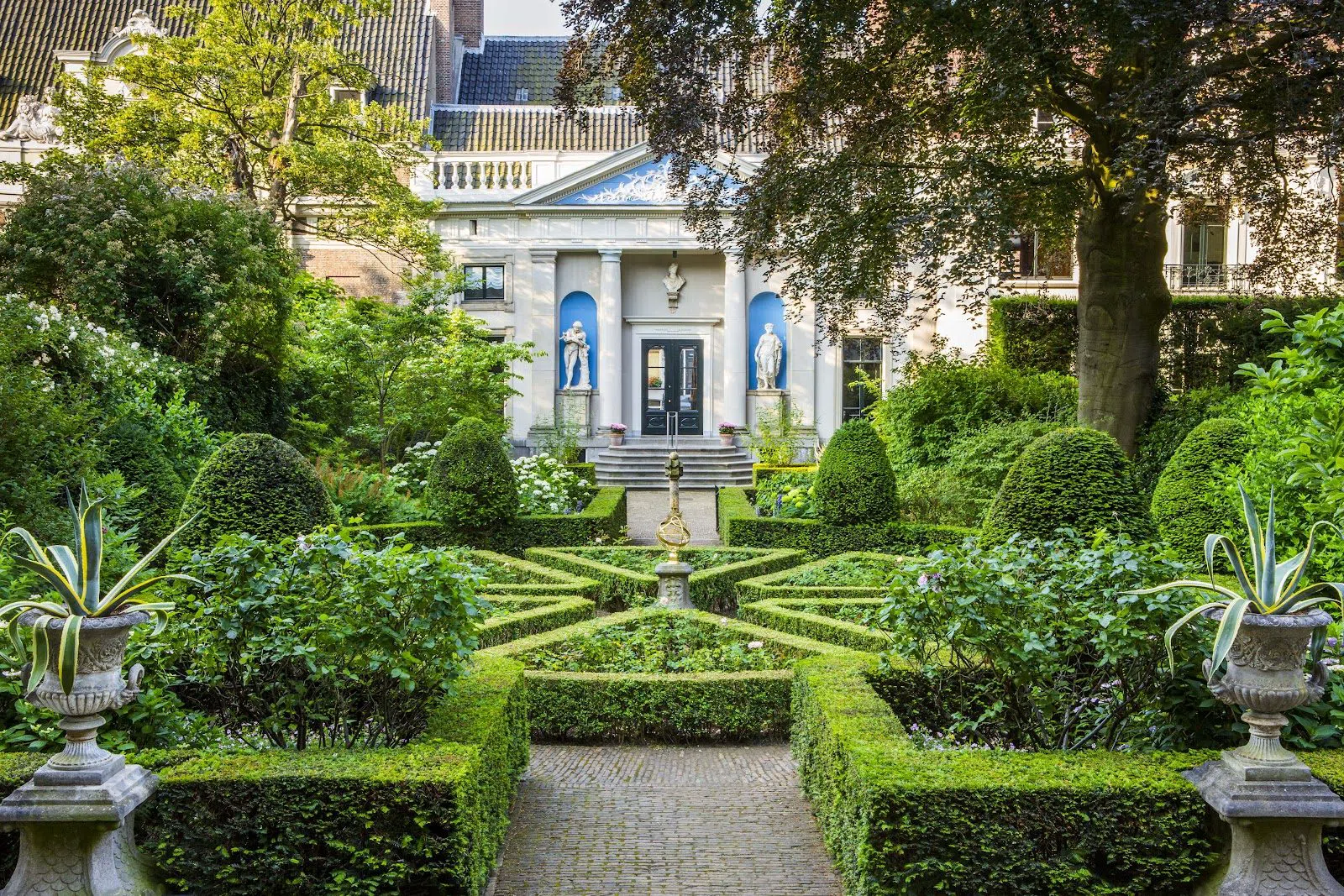
A few minutes away on the Herengracht, Museum Willet-Holthuysen is the only aristocratic house on that grandest of canals fully open to the public — lavish, a touch theatrical, and part of the Amsterdam Museum. It's open daily, around €12.50 for an adult, and pairs beautifully with Van Loon: do both in a morning and you've seen the merchant and the aristocrat back to back, which tells you more about the city's pecking order than any plaque.
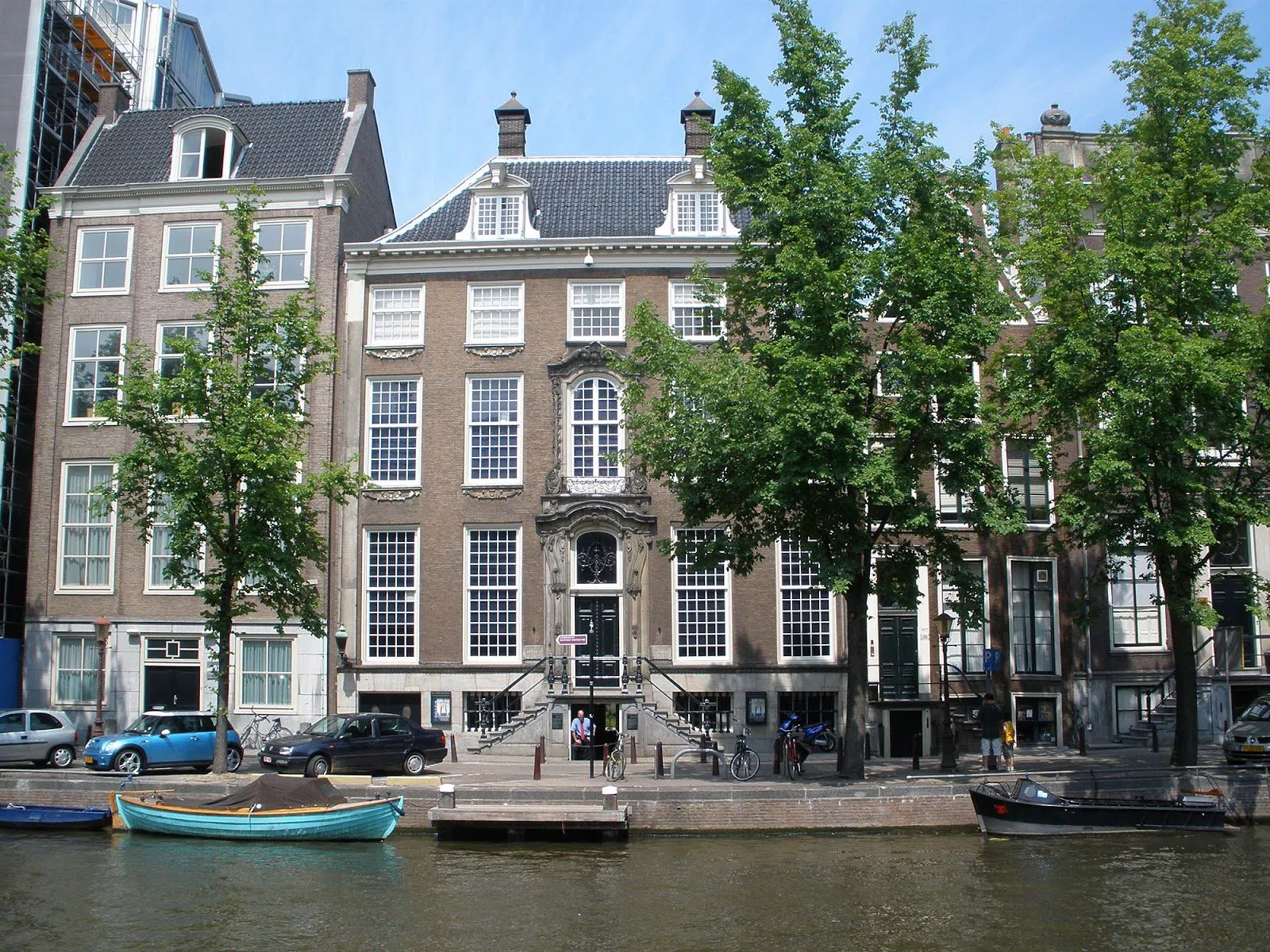
Both are small houses, so neither suits a large tour group descending at once — stagger your arrival, or split into pairs.
The floating oddities
Amsterdam lives on its water as much as beside it, and two small, strange, lovely places prove it.
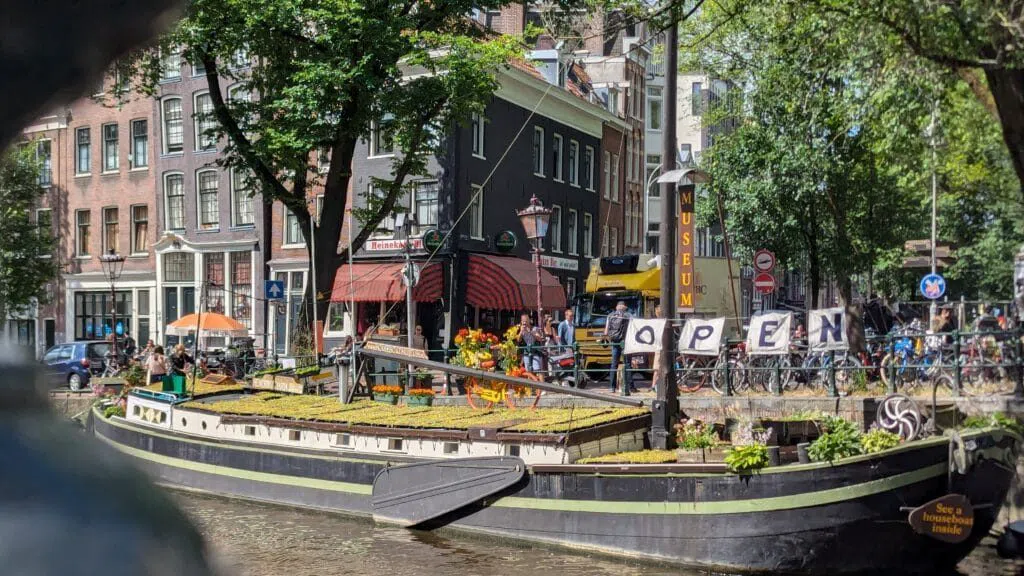
The Houseboat Museum (Woonbootmuseum), moored on the Prinsengracht in the Jordaan, is the world's only museum of its kind, and it answers the question every visitor quietly wonders: what is it actually like to live on the canals? It's a genuinely tiny vessel — best for a couple or a small group of three or four rather than a crowd — with a multilingual audio guide, and it costs about €7. Fifteen calm minutes below deck, and you'll never look at a moored houseboat the same way again.
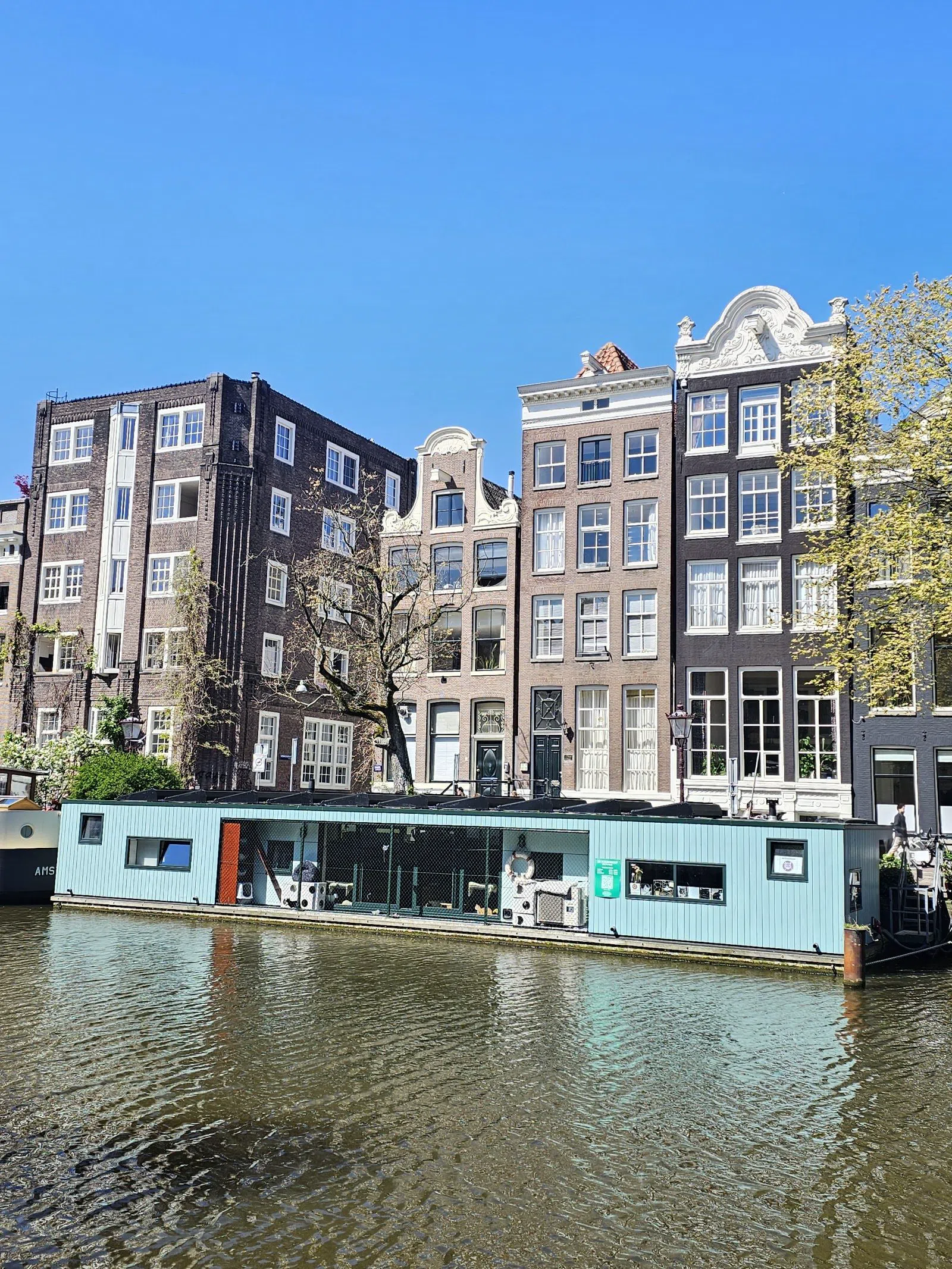
Nearby on the Singel floats De Poezenboot, the Cat Boat — a working cat sanctuary that has bobbed on the canal since 1966 and is, as far as anyone knows, the only one on Earth. Entry is free (a donation is the decent thing), but the hours are limited to the afternoon and visits run in small groups of about six for fifteen-minute sessions, so reserve ahead rather than chancing the door. It is exactly as gently absurd and disarming as it sounds.
The one to book weeks ahead
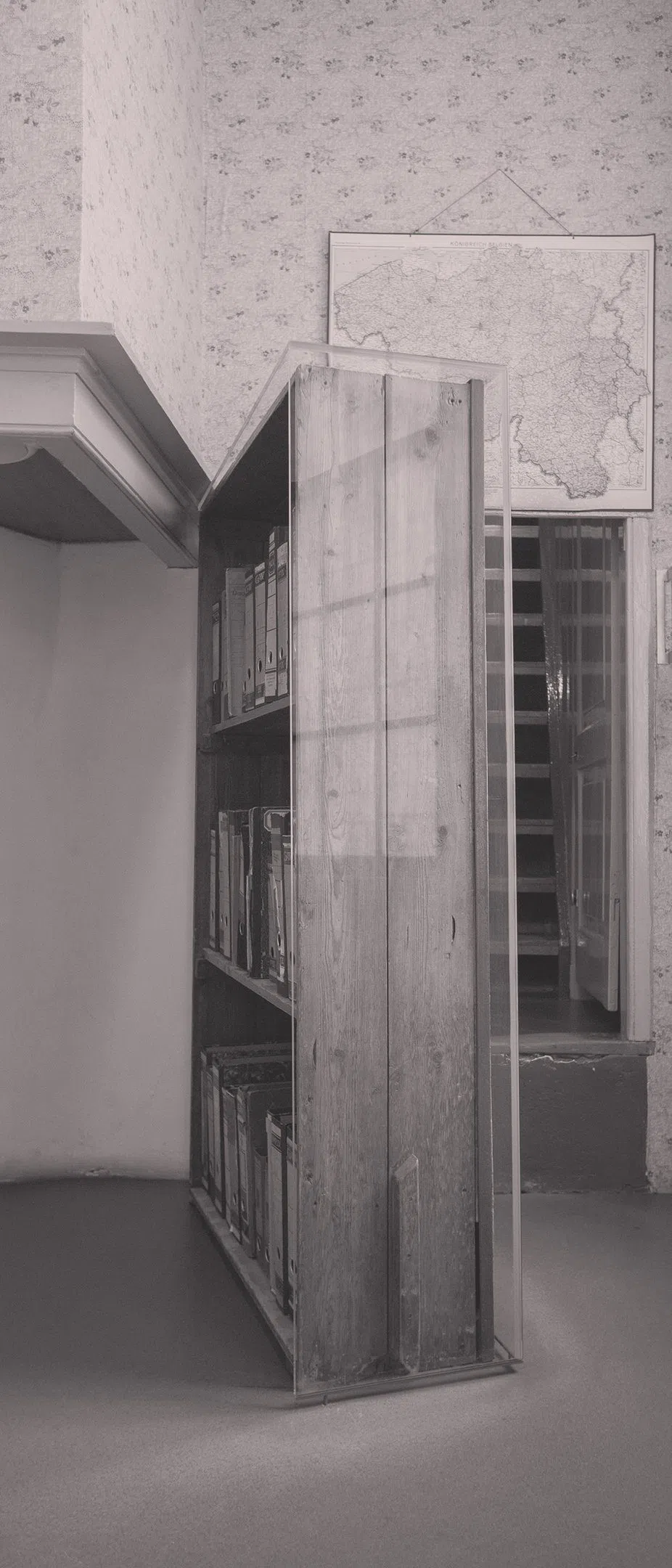
The Anne Frank House, on the Prinsengracht beside the Westerkerk, is the most moving site on the canal ring and the one that defeats most last-minute visitors. Tickets are timed and online-only — there are no door sales, none — and they release on Tuesdays for a date six weeks ahead, selling out within minutes. Book only through the official site, annefrank.org; anything else is a reseller or worse. It's €16 for an adult. The staircases inside are steep and tight, so the museum flows as a stream of individuals rather than a group you can move through together — go in expecting to be quiet and a little alone with it, which is the right way to be there anyway. The nearest stop is Westermarkt, on trams 13 and 17.
A sensible day on the ring
If you want a shape to hang all this on: get on the water early with one of the cruises, walk the Jordaan while the crowds are still forming, take an audio-guided quarter-hour on the Houseboat Museum, then cross into the grand canals for Van Loon and Willet-Holthuysen before lunch thins your energy. Keep the terraces — 't Smalle, Waterkant, Hannekes Boom — for the warm middle of the afternoon. Hold the Anne Frank House for a fixed slot you booked weeks ago, and De Poezenboot for a reserved afternoon window. Off-season, do the museums when it rains and the boats when the sky clears; the ring rewards a bit of flexibility.
For where to sleep, staying inside or just off the ring puts everything here within a walk — start with an Amsterdam hotel search, and cross-check neighbourhoods against the wider Amsterdam guide before you book.
Practical notes
Getting around. The Grachtengordel is small and walkable end to end in under half an hour, and walking is genuinely the best way to see it. Trams thread the edges: 13 and 17 stop at Westermarkt for the Jordaan and the Anne Frank House, and 2 and 12 run to Leidseplein near Waterkant. A rechargeable OV-chipkaart or contactless bank card works on every tram — tap on and tap off. Skip taxis inside the ring; they're slow and pointless over these distances.
Cash and cards. Amsterdam is close to cashless. Cards and phones work everywhere named here, and a few smaller cafés are card-only, so don't rely on carrying euros — though a little cash is handy for the Cat Boat's donation tin and the odd market stall.
Timing. Mornings and the last hour of daylight are the calm windows on the water; midday to mid-afternoon is the crush. Off-season — roughly November to March — is cold, quiet and, to my eye, the ring at its most honest, with cruises still running on lighter timetables and terraces kept warm under tents. Book the Anne Frank House six weeks out to the day, and reserve De Poezenboot and any large group table in advance.
Budget. A canal cruise runs €18 to €50 per person depending on how much hand-holding and drinking you want; a self-drive boat is from about €89 split across the group. The canal-house museums are €12.50–14, the Houseboat Museum about €7, the Cat Boat free, and the Anne Frank House €16. Drinks and small plates at the waterside bars sit around €4–14. A full, unhurried day on the ring — one cruise, two museums, and a long terrace afternoon — comes in comfortably under €80 a head, and rather less if you walk everywhere and skip the all-inclusive boat.
That, in the end, is the quiet argument of the Grachtengordel: it was dug for money and it still runs on it, but the best of it — the light on the water, a table at 't Smalle, a cat asleep on a moored boat — costs almost nothing and asks only that you slow down to its pace.
Before you go
What is the Grachtengordel in Amsterdam?
It's Amsterdam's 17th-century canal ring — the three great semicircular canals Herengracht, Keizersgracht and Prinsengracht, plus the Singel — dug in the Golden Age for trade and drainage and now the historic core of the city. It's a UNESCO-listed area and the best part of Amsterdam to explore on foot or by boat.
Which Amsterdam canal cruise is best for a group?
For a sociable, bring-your-own-drinks trip, Those Dam Boat Guys caps at about twelve and lets you book the whole boat. For an all-inclusive celebration with drinks sorted, Captain Jack takes up to twenty. For a big or mixed-ability party wanting zero fuss, Stromma runs frequent central departures, and a self-drive Boaty boat suits six who'd rather captain their own afternoon.
How do I get tickets for the Anne Frank House?
Only through the official site, annefrank.org. Tickets are timed and online-only with no door sales, and they release on Tuesdays for dates six weeks ahead, selling out within minutes. Adult entry is €16. Book the moment your date opens, and ignore any reseller offering 'guaranteed' entry.
When is the best time of year to visit Amsterdam's canals?
Off-season, roughly November to March, is cold but calm — fewer crowds, honest low light, cruises still running on lighter timetables, and heated tents at bars like Waterkant. In any season, early morning and the last hour of daylight are the quietest windows on the water; midday to mid-afternoon is the busiest.
Can you visit a real Amsterdam canal house?
Yes. Museum Van Loon on the Keizersgracht (about €14) is a still-furnished patrician home, and Museum Willet-Holthuysen on the Herengracht (about €12.50) is the only aristocratic house on that canal fully open to the public. Both are small, so they suit couples and small groups better than large tours — do the pair back to back for the full Golden Age contrast.